
Short Sleep vs. Insomnia: Why the Difference Matters More Than You Think

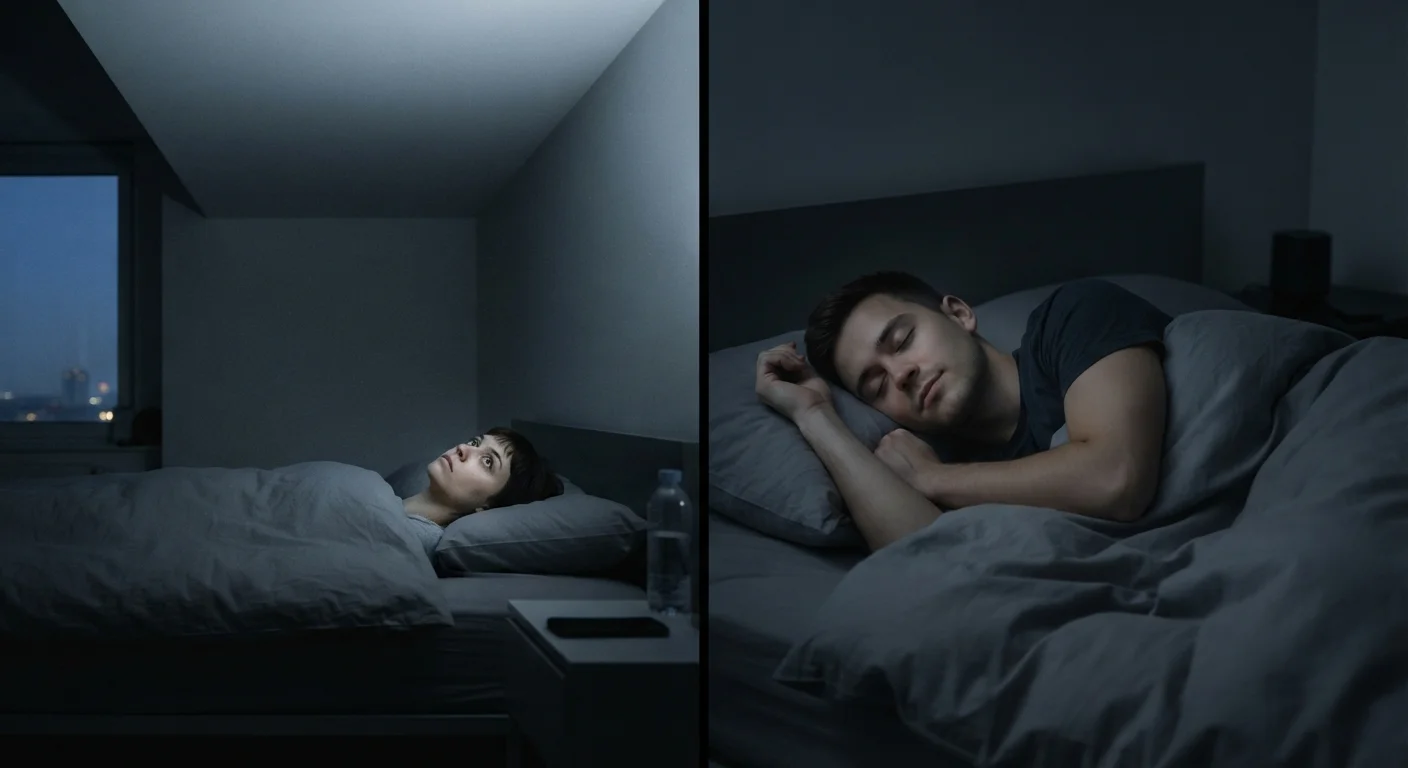
Photo: YetaWellness.com | Explore Trending Blogs editorial
Key Takeaways
- Short sleep refers to sleeping fewer hours than recommended; insomnia is a disorder defined by impaired ability to sleep.
- A person can be a short sleeper without having insomnia, and insomnia does not always produce short sleep.
- Daytime impairment is a required feature of insomnia; it is not part of the definition of short sleep.
- Chronic insomnia disorder is diagnosed when sleep difficulty occurs at least three nights per week for three or more months.
- Accurate categorization matters because the evidence-based treatments for each condition differ significantly.
Two Very Different Sleep Problems
Most people have used the word "insomnia" to describe a bad night's sleep or a week of early mornings. But in clinical sleep medicine, insomnia is a specific, recognized disorder — not a synonym for sleeping less than you'd like. Conflating it with short sleep creates real confusion about what's actually going on and, more importantly, what to do about it.
Short sleep means consistently sleeping fewer hours than the generally recommended range. For adults, the American Academy of Sleep Medicine and the Sleep Research Society recommend seven or more hours per night. Sleeping less than this threshold — whether due to a demanding schedule, lifestyle choices, or an apparent biological tolerance — is short sleep. The key feature is duration.
Insomnia disorder, by contrast, is defined by difficulty initiating sleep, maintaining sleep, or waking too early and being unable to return to sleep — despite having adequate opportunity for sleep. Crucially, insomnia also requires clinically significant daytime impairment: fatigue, mood disturbance, difficulty concentrating, or reduced performance. Without that daytime component, the diagnostic threshold for insomnia is not met. For a deeper look at how recognized sleep disorders are categorized, see our overview of recognized sleep disorders.
| Criterion | Short Sleep | Insomnia |
|---|---|---|
| Core definition | Sleeping fewer hours than recommended | Difficulty initiating or maintaining sleep |
| Primary feature | Insufficient sleep duration | Impaired ability to sleep when opportunity exists |
| Daytime impairment required | Not required for definition | Required for clinical diagnosis |
| Sleep opportunity | Often reduced by schedule or choice | Adequate opportunity present but sleep doesn't come |
| Chronicity threshold | No formal duration threshold | ≥3 nights/week for ≥3 months (chronic insomnia) |
| Evidence-based treatment | Extend sleep opportunity; behavioral scheduling | CBT-I; may include pharmacotherapy under clinical guidance |
| Can occur together? | Yes — some insomnia patients also sleep short hours | Yes — but insomnia can occur with near-normal duration too |
Why the Distinction Has Clinical Consequences
The reason this distinction matters goes beyond semantics. Short sleep caused by circumstance — work demands, caregiving, late schedules — responds to behavioral and scheduling changes. If you're sleeping six hours because you go to bed at midnight and wake at six, the intervention is straightforward: extend the sleep opportunity.
Insomnia doesn't respond the same way. In fact, simply spending more time in bed can sometimes worsen chronic insomnia by weakening the association between the bed and sleep — a dynamic that explains why sleep restriction is a counterintuitive but evidence-based component of Cognitive Behavioral Therapy for Insomnia (CBT-I), the first-line clinical treatment for the disorder.
There's also a meaningful overlap worth noting: some individuals with insomnia do sleep short hours, but others with insomnia sleep close to seven or eight hours yet still experience the disorder's daytime consequences. Similarly, there are people who consistently sleep fewer hours without any difficulty falling or staying asleep and without experiencing next-day impairment — a pattern that genetic sleep research suggests may reflect genuine biological variation in sleep need, not a disorder.
For anyone tracking their own patterns, understanding sleep debt is also relevant — accumulated sleep loss differs mechanistically from chronic insomnia, and recovery strategies differ accordingly.
Recognizing When to Seek Guidance
Chronic insomnia disorder, as defined by the International Classification of Sleep Disorders, requires sleep difficulty occurring at least three nights per week for at least three months, paired with meaningful daytime impairment. That threshold helps clinicians separate transient, situational sleep disruption from a persistent condition warranting targeted treatment.
Short sleep, on its own, carries its own health associations. Research consistently links habitual short sleep with elevated risks for cardiometabolic conditions, immune dysfunction, and mood disturbance — as covered in depth in why sleep deprivation hits harder than most realize. But these are population-level associations, not guarantees for any individual, and they don't make short sleep equivalent to insomnia.
If you regularly struggle to fall or stay asleep despite having enough time to sleep, and you notice consistent fatigue, difficulty concentrating, or mood changes during the day, those are meaningful signals worth discussing with a qualified healthcare provider. Clinicians can evaluate whether a sleep disorder is present and recommend appropriate next steps — which may include sleep diary review, actigraphy, or referral to a sleep specialist. Self-diagnosis from a checklist is not sufficient, and neither is assuming that sleeping fewer hours is automatically a problem requiring treatment. Building strong sleep habits can support both groups, but only a clinician can differentiate and treat a diagnosed condition.
This article is for informational and educational purposes only and does not constitute medical advice. If you have concerns about your sleep health, please consult a qualified healthcare professional.
The content on this site is for informational purposes only and is not a substitute for professional advice. Always consult a qualified professional for guidance specific to your situation.