
Short Sleepers and Long Sleepers: What Genetic Research Tells Us

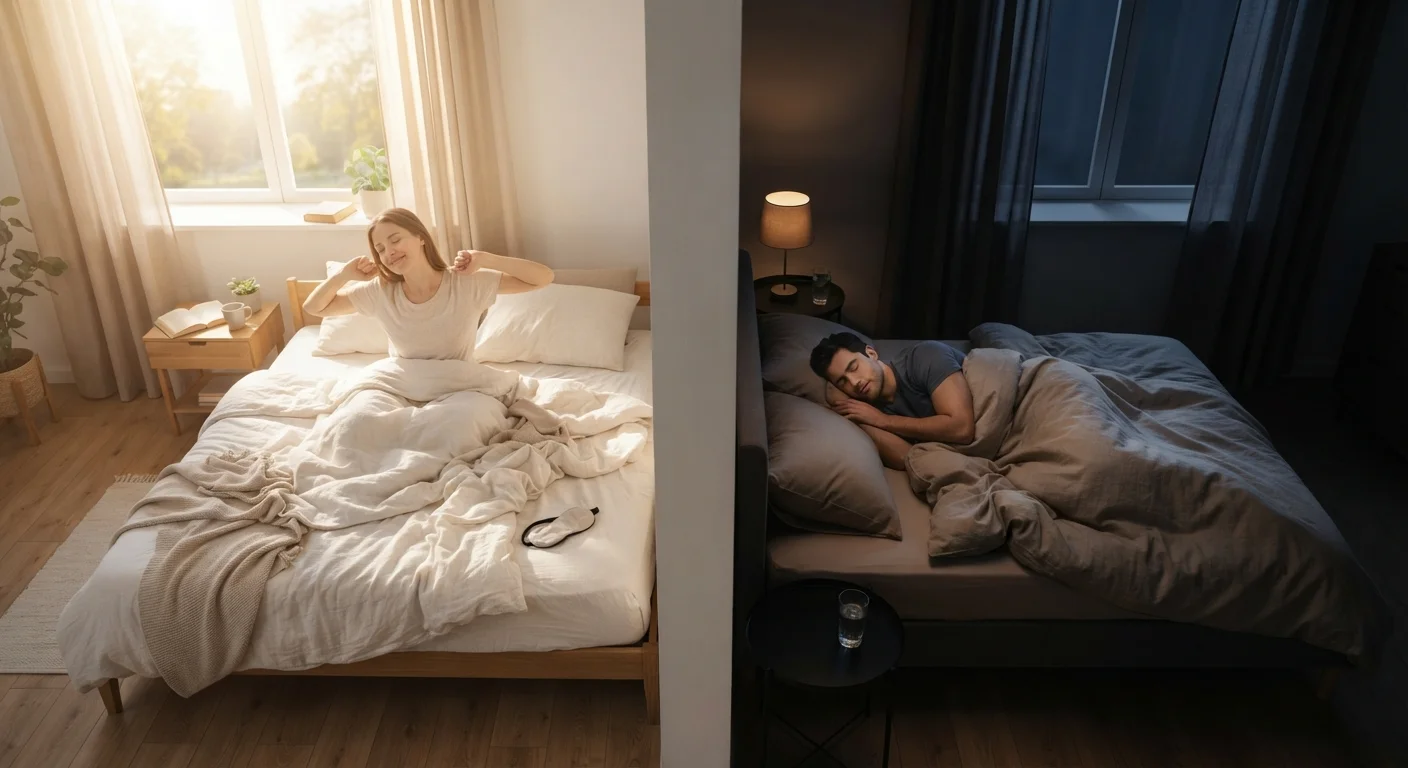
Photo: YetaWellness.com | Explore Trending Blogs editorial
Key Takeaways
- Some people genuinely need less or more sleep than the standard recommendation due to genetic factors.
- True natural short sleepers are rare — most people who sleep fewer than seven hours are simply sleep-deprived.
- Identified gene variants like DEC2 and ADRB1 can shorten the sleep needed without impairing function.
- Confusing voluntary sleep restriction with genetic short sleep can have real health consequences.
- Long sleepers may reflect separate biological patterns or underlying health conditions worth discussing with a doctor.
- Understanding your personal sleep need is more useful than chasing a universal hour target.
Why Seven to Nine Hours Is a Range, Not a Rule
The oft-cited recommendation of seven to nine hours of sleep for adults, established by organizations such as the American Academy of Sleep Medicine, is a population-level guideline — not a universal prescription. Within that range, and at its edges, significant individual variation exists. Some adults feel sharp and energized after six and a half hours; others feel groggy and impaired after the same amount. Both experiences can be genuine, not exaggerated.
This variation has long puzzled sleep researchers. If sleep serves critical restorative functions — memory consolidation, immune regulation, metabolic maintenance — why would different people need different amounts to accomplish the same biological goals? The emerging answer involves how efficiently individuals cycle through sleep stages, how their brains respond to sleep pressure, and increasingly, which genes they carry.
As common sleep misconceptions make clear, the belief that everyone needs exactly eight hours is itself not well supported. What the evidence does support is that most people have a relatively stable individual sleep need — and that forcing yourself above or below it consistently has measurable consequences.
The Genetics of Short Sleep: What Research Has Found
The most rigorous evidence for genetically determined short sleep comes from a series of studies identifying rare gene variants in families where multiple members consistently sleep fewer than six hours without any apparent health or cognitive consequences. Researchers at the University of California San Francisco identified variants in the DEC2 gene that appear to allow affected individuals to consolidate the restorative benefits of sleep more efficiently, effectively accomplishing in fewer hours what takes others longer.
Subsequent research identified variants in the ADRB1 and NPSR1 genes with similar associations. These are not common variants — carriers represent a small fraction of the population, estimated by researchers at under 3%. That figure matters enormously for public understanding: the vast majority of people who pride themselves on functioning well with little sleep are not genetic short sleepers. They are, by the available evidence, simply habituated to impairment.
<3%
Estimated prevalence of true natural short sleepers
Researchers studying genetic short sleep variants estimate fewer than 3% of the population carry the relevant mutations, according to work published by UCSF sleep genetics researchers.
~6 genes
Sleep duration gene variants identified so far
As of recent published research, variants in genes including DEC2, ADRB1, and NPSR1 have been linked to naturally short sleep, though scientists acknowledge the full genetic picture remains incomplete.
7–9 hrs
Recommended adult sleep range (AASM guideline)
The American Academy of Sleep Medicine recommends adults sleep seven or more hours per night on a regular basis for optimal health, with most people falling within a seven-to-nine hour range.
Understanding this distinction is clinically meaningful. As discussed in our explainer on short sleep versus insomnia, conflating voluntary sleep restriction with genetic short sleep can lead people to dismiss symptoms that warrant professional evaluation.
Natural Long Sleepers: Less Studied, Equally Real
While the science of short sleepers has attracted more attention, natural long sleepers — adults who consistently need nine or more hours and feel impaired without it — are also recognized as a biological reality. Less genetic research has focused specifically on long sleeping, but the pattern is understood to reflect individual differences in how the brain builds and discharges sleep pressure, the drive to sleep that accumulates during waking hours.
The clinical challenge with long sleeping is distinguishing a natural biological pattern from a symptom of an underlying condition. Hypersomnia disorders, depression, obstructive sleep apnea, and hypothyroidism can all manifest as excessive sleep need. A person who has always required nine hours since adolescence presents differently from someone whose sleep need has recently increased. The trajectory matters as much as the number.
For context on how sleep duration interacts with when you sleep, our related piece on sleep timing versus sleep duration explores the chronobiological factors at play.
Practical Implications: Finding Your Individual Need
Genetic testing for sleep duration variants is not currently available in validated consumer formats, and researchers caution against over-interpreting early findings. The more practical approach is behavioral: observe your sleep across conditions when external pressures are removed. Extended periods without an alarm — such as during a vacation away from screens and obligations — tend to reveal a person's baseline sleep duration more accurately than weekday patterns shaped by schedules.
If you consistently wake spontaneously after the same duration, feel alert without caffeine by mid-morning, and do not accumulate sleep debt over weekends, that duration is likely close to your biological need. If your sleep expands significantly when unrestricted, or if you rely heavily on stimulants to maintain function, sleep deprivation is the more probable explanation than genetic short sleeping.
Physical activity is one modifiable factor known to influence sleep quality, though not necessarily duration. Our article on exercise and sleep outlines how timing your movement can support whatever sleep duration your biology requires.
This article is for informational purposes only and does not constitute medical advice. If you have concerns about your sleep duration, quality, or patterns, consult a qualified healthcare provider or sleep specialist.
Frequently Asked Questions
The content on this site is for informational purposes only and is not a substitute for professional advice. Always consult a qualified professional for guidance specific to your situation.