
Factors That Influence Body Composition Beyond Diet and Exercise

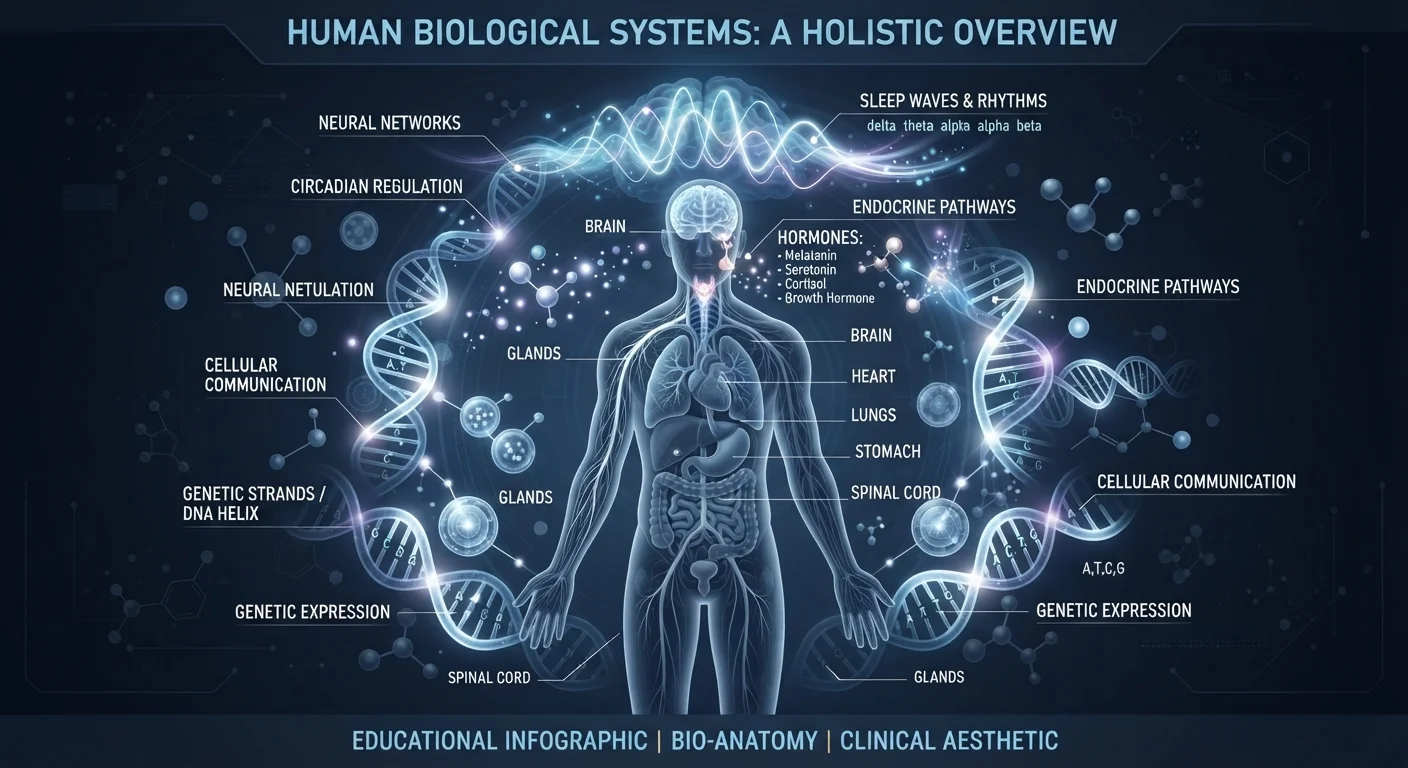
Photo: YetaWellness.com | Explore Trending Blogs editorial
Key Takeaways
- Sleep quality directly affects hormones that regulate fat storage and muscle preservation.
- Chronic stress elevates cortisol, which can shift fat distribution toward the abdominal region.
- Genetic variation accounts for meaningful differences in fat mass, muscle potential, and fat distribution patterns.
- Certain medications - including corticosteroids and some antidepressants - can alter body composition as a documented side effect.
- Age-related hormonal changes, particularly in sex hormones, drive shifts in lean mass and fat tissue independently of lifestyle.
The Bigger Picture of Body Composition
Most conversations about body composition - the ratio of fat mass to lean mass (muscle, bone, and organ tissue) - center on caloric intake and physical activity. Those factors genuinely matter. But physiology doesn't operate in a vacuum, and research consistently shows that several other biological and environmental variables exert significant influence on how the body distributes and maintains tissue.
Understanding these factors isn't about finding excuses or shortcuts. It's about having an accurate, evidence-based picture of why two people with similar diets and workout routines can have measurably different body compositions. For a parallel look at how these forces affect energy expenditure, see factors that influence metabolic rate.
The list below covers six scientifically grounded drivers of body composition that go beyond diet and exercise - and what the underlying physiology actually tells us.
Sleep Quality and Duration
Sleep is one of the most physiologically active periods for body composition maintenance. During deep sleep stages, the body releases growth hormone - a key signal for muscle protein synthesis and fat metabolism. Chronic short sleep (generally defined in research as fewer than seven hours per night for adults) is associated with elevated ghrelin (appetite-stimulating hormone) and suppressed leptin (satiety hormone), creating hormonal conditions that may encourage fat accumulation.
Studies have also found that sleep restriction can reduce the proportion of weight loss that comes from fat tissue when people are in a caloric deficit, meaning muscle may be preferentially lost when sleep is poor. The science of sleep cycles and biology offers additional context on how different sleep stages serve distinct physiological functions.
Poor sleep can shift weight loss away from fat and toward lean muscle tissue.
Chronic Stress and Cortisol
The stress hormone cortisol, produced by the adrenal glands, plays a documented role in body composition when chronically elevated. Sustained high cortisol promotes visceral fat deposition - fat stored deep in the abdominal cavity - and can accelerate the breakdown of muscle protein (a process called catabolism). This is partly why conditions involving excess cortisol, such as Cushing's syndrome, produce characteristic changes in fat distribution.
Even subclinical chronic stress - the persistent low-grade kind from work, finances, or relational pressures - is associated in population research with higher central adiposity. For a detailed look at how cortisol interacts with other metabolic hormones, see hormones that regulate metabolism.
Chronically elevated cortisol promotes visceral fat accumulation and muscle protein breakdown.
Genetic Variation
Heritability studies suggest that genetics accounts for a meaningful portion of variance in body fat percentage, fat distribution patterns, and muscle fiber composition. Genes influence how many fat cells a person develops, where fat is preferentially stored (subcutaneous versus visceral, upper versus lower body), and how efficiently muscle is built in response to resistance training.
This doesn't mean genetics is destiny - lifestyle factors can significantly modulate gene expression through epigenetic mechanisms - but it does explain why some individuals have meaningfully different baseline compositions despite similar environments. Acknowledging genetic variation is scientifically necessary for an accurate understanding of body composition.
Genetics shapes fat cell number, fat storage location, and muscle-building response to training.
Hormonal Status and Age-Related Changes
Sex hormones - estrogen, progesterone, and testosterone - have well-documented effects on body composition. Testosterone supports muscle protein synthesis and tends to suppress fat accumulation; estrogen influences where fat is deposited. As hormone levels decline with age - including the significant drop during perimenopause and menopause, or the more gradual decline of testosterone in aging males - body composition typically shifts: lean mass decreases and fat mass, particularly central fat, increases.
These changes occur even when diet and exercise habits remain constant, underscoring that hormonal environment is itself an independent variable in body composition outcomes.
Hormonal decline with age shifts body composition toward less lean mass and more central fat.
Medications
Several widely prescribed medications have body composition effects that are supported by clinical evidence. Corticosteroids (such as prednisone) used long-term are associated with muscle wasting and fat redistribution. Certain antidepressants - particularly some in the SSRI and tricyclic classes - have weight gain and fat accumulation listed among recognized side effects. Antipsychotic medications, insulin therapy in diabetes management, and some blood pressure drugs also carry documented associations with changes in fat or lean mass.
This is not a reason to avoid necessary medication - the decision involves complex clinical tradeoffs that only a qualified healthcare provider can weigh. But it is important context for understanding body composition variability.
Corticosteroids, some antidepressants, and antipsychotics carry documented body composition side effects.
Gut Microbiome Composition
Emerging research - still in active development - suggests that the composition of the gut microbiome (the trillions of microorganisms in the digestive tract) may influence how the body extracts and stores energy from food, as well as inflammation levels that affect fat tissue. Animal studies have produced compelling findings, and human research, while more complex, has identified associations between certain microbial profiles and body composition measures.
It's important to note this area involves emerging science, not settled consensus. Mechanisms are still being characterized, and interventions targeting the microbiome for body composition purposes remain largely investigational. The field warrants attention, but interpretive caution is equally appropriate.
Gut microbiome research links microbial composition to energy extraction and fat storage, though human evidence is still emerging.
What This Means for How You Understand Your Body
Recognizing these variables doesn't minimize the role of nutrition and movement - it contextualizes them. Body composition is a multifactorial outcome, and that complexity deserves honest acknowledgment. Factors like genetics and age are not modifiable, while others - sleep, stress management, and medication reviews with a clinician - represent areas where informed action may be possible.
Talk to Your Doctor Before Making Changes
It's also worth noting that body composition metrics themselves carry important nuances. For instance, bone density's role in body composition is frequently overlooked, yet skeletal mass meaningfully affects total lean mass readings. Similarly, sex-based differences in body composition metrics mean that reference ranges and health interpretations are not universally applicable.
This article is for general informational and educational purposes only and does not constitute medical advice. Always consult a qualified healthcare professional for guidance specific to your health situation, symptoms, or concerns.
The content on this site is for informational purposes only and is not a substitute for professional advice. Always consult a qualified professional for guidance specific to your situation.