
Bone Density and Body Composition: The Often-Overlooked Third Component

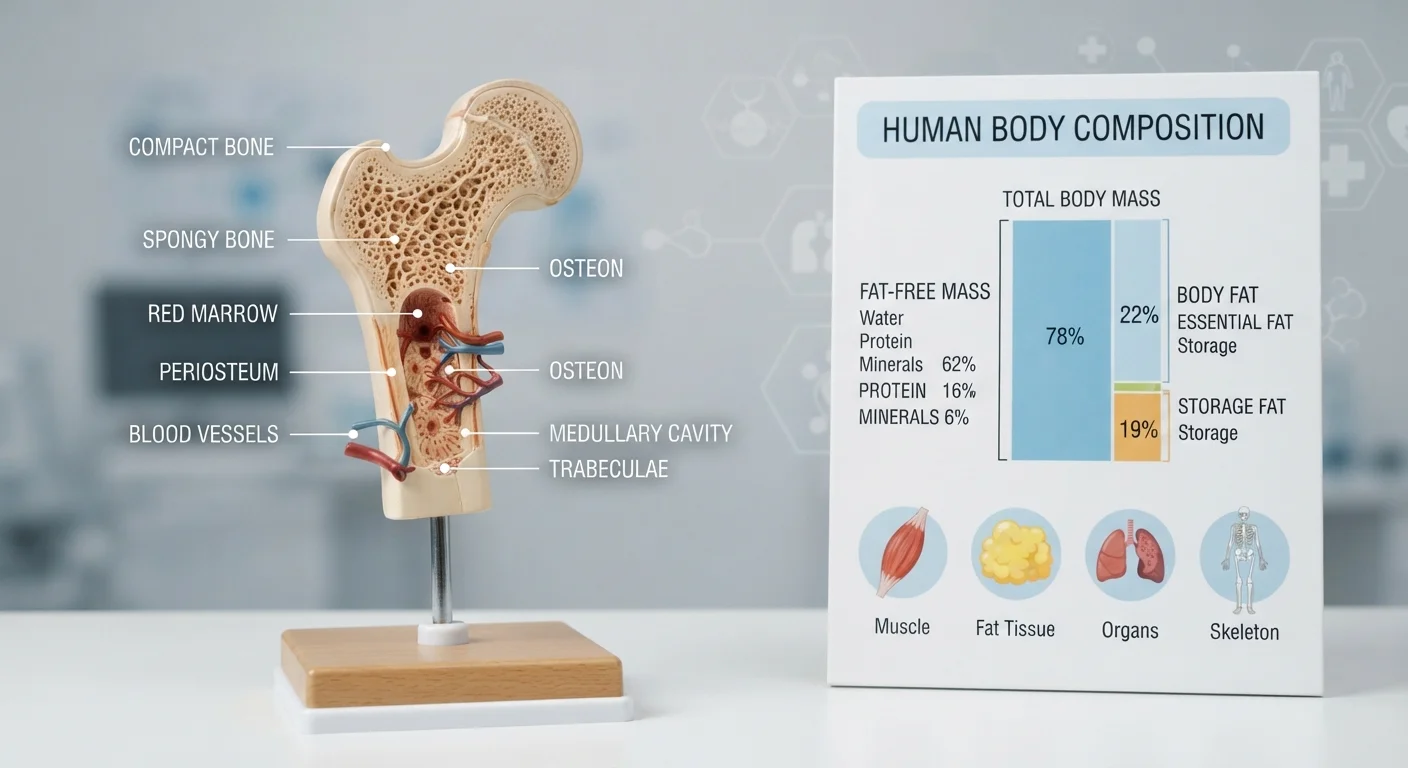
Photo: YetaWellness.com | Explore Trending Blogs editorial
Key Takeaways
- Body composition has three main components: fat mass, muscle mass, and bone mass - all three matter for health.
- Bone mineral density peaks in early adulthood, typically around age 25-30, then gradually declines.
- Skeletal mass contributes meaningfully to total body weight and influences lean body mass calculations.
- Resistance exercise and adequate calcium and vitamin D intake are well-established supports for bone density.
- Scale weight alone cannot differentiate between fat, muscle, or bone changes - body composition analysis is more informative.
The Three-Component Model Most People Only Half-Know
Ask most people what body composition means, and they'll describe the ratio of fat to muscle. That framing is common and not wrong - but it is incomplete. A more complete model includes a third component that rarely gets its due: bone mass.
The three-compartment model of body composition divides the body into fat mass, lean soft tissue (primarily muscle, organs, and water), and bone mineral mass. Each of these components can be measured independently, changes at different rates over a lifetime, and responds to different physiological inputs. For a fuller understanding of how the body is structured, see our introduction to body composition concepts.
Ignoring bone mass isn't just an academic oversight. Skeletal tissue is metabolically active, structurally essential, and a genuine contributor to total body weight. A person with the same scale weight as another can have notably different bone mineral content - and that difference has real implications for how lean body mass should be interpreted.
What Bone Density Actually Measures
Bone density - formally, bone mineral density (BMD) - quantifies how much mineral content is present in a given area or volume of bone tissue. The primary minerals involved are calcium and phosphorus, which give bone its rigidity and load-bearing strength. Higher BMD generally reflects stronger, more fracture-resistant bones.
The gold-standard measurement tool is DEXA scanning, which produces site-specific readings (commonly the lumbar spine and hip) as well as total body composition data. Results are typically expressed in grams per square centimeter and compared against reference populations.
~25-30
Age when peak bone mass is typically reached
According to the International Osteoporosis Foundation, peak bone mass is generally achieved by the late 20s to early 30s, making early-life habits foundational for lifelong skeletal health.
200 million
People estimated to have osteoporosis worldwide
The International Osteoporosis Foundation estimates approximately 200 million people globally are affected by osteoporosis, underscoring bone density as a major public health concern.
3-5%
Bone mass as share of total body weight
In most adults, skeletal mineral mass accounts for roughly 3-5% of total body weight - a modest fraction that nonetheless plays an outsized role in structural integrity and lean mass calculations.
Bone is not static tissue. It is continuously remodeled through a process involving two cell types: osteoclasts, which break down old bone, and osteoblasts, which form new bone. The balance between these processes shifts over the lifespan - a point explored in detail in our article on how body composition shifts from youth to old age.
Why Bone Mass Belongs in the Body Composition Conversation
Bone tissue contributes roughly 3-5% of total body weight in most adults, but its role in body composition analysis goes beyond raw mass. Because lean body mass is calculated as everything that is not fat - including muscle, organs, water, and bone - changes in bone density directly affect lean mass figures.
This matters practically. Someone who loses bone mineral mass due to aging, extended bed rest, or nutritional deficit will show a decline in lean body mass even if their muscle tissue is unchanged. Conversely, two individuals with identical fat percentages but different skeletal densities will have different metabolic profiles. Our explainer on lean body mass and why researchers track it separately covers this in more depth.
Beyond composition metrics, bone density is a direct marker of skeletal integrity. Low BMD - classified clinically as osteopenia or osteoporosis - significantly increases fracture risk, particularly at the hip, spine, and wrist. These fractures carry serious consequences for mobility, independence, and quality of life, especially in older adults.
Factors That Shape Bone Density Over Time
Peak bone mass is reached somewhere between the mid-20s and age 30 for most people. The habits established before and during this window have lasting consequences - which is why skeletal health in young adulthood deserves attention well before clinical concerns arise. Our article on why bone density matters more in your 30s examines this window closely.
Several well-established factors influence BMD:
- Mechanical loading: Weight-bearing and resistance exercise stimulate bone formation. Sedentary behavior removes this stimulus.
- Nutritional adequacy: Calcium and vitamin D are foundational for bone mineralization. Chronically low intake impairs the process.
- Hormonal environment: Estrogen, testosterone, and parathyroid hormone all regulate bone turnover. Hormonal changes at menopause, for example, accelerate bone loss.
- Genetics: Peak bone mass potential is substantially heritable. Ethnicity-related differences in BMD are well-documented in research.
- Medications and health conditions: Corticosteroids, certain anticonvulsants, and conditions affecting nutrient absorption can reduce bone density over time.
Some of these factors - like genetics - are fixed. Others, like exercise patterns and nutritional habits, are modifiable. The interaction between them is discussed in our piece on factors that influence body composition beyond diet and exercise.
This article is for general informational purposes only and does not constitute medical advice. For personal concerns about bone health, body composition, or related conditions, consult a qualified healthcare professional.
Frequently Asked Questions
The content on this site is for informational purposes only and is not a substitute for professional advice. Always consult a qualified professional for guidance specific to your situation.