
Why Bone Density Matters More in Your 30s Than You Think

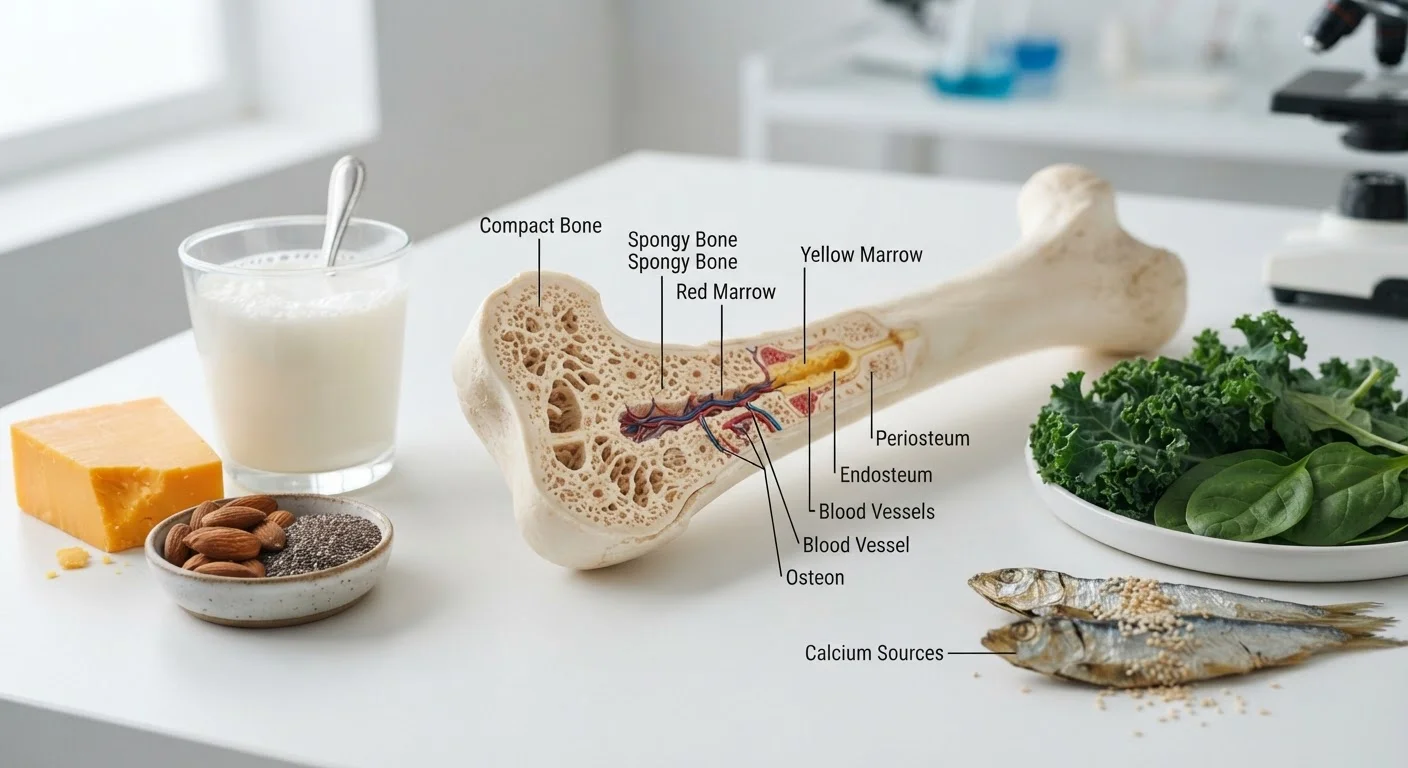
Photo: YetaWellness.com | Explore Trending Blogs editorial
Key Takeaways
- Peak bone mass is typically reached between ages 25 and 30, making early adulthood critical for skeletal health.
- After peak, bone density declines gradually — a process that accelerates significantly after menopause in women.
- Weight-bearing exercise and adequate calcium and vitamin D intake are the most evidence-supported habits for preserving bone mass.
- Low bone density often has no symptoms until a fracture occurs, making prevention far more effective than treatment.
- Your 30s are a strategic window to build habits that slow future bone loss before decline accelerates.
The Bone Bank Analogy: Building Before You Withdraw
Think of your skeleton as a savings account. During childhood and adolescence, your body makes large, rapid deposits of bone mineral — building toward a peak balance reached somewhere between ages 25 and 30. After that, the withdrawals begin. Bone is living tissue, continuously broken down and rebuilt in a process called remodeling. In early adulthood, formation and resorption stay roughly balanced. As you age, resorption gradually outpaces formation, and the account shrinks.
This is why what you do in your 20s and 30s genuinely matters. The higher your peak bone mass at the start, the more reserve you carry into the decades when loss becomes harder to stop. For context, researchers estimate that a 10% increase in peak bone mass can delay the onset of osteoporosis by approximately 13 years — a meaningful difference in long-term fracture risk. See our overview of how your body changes after 30 for the broader picture of how multiple systems shift in parallel.
What Accelerates Bone Loss — and Who Is Most Affected
Bone density decline is universal, but its pace varies considerably. Several biological and lifestyle factors influence how quickly the account depletes.
- Hormonal shifts: Estrogen plays a central role in restraining bone resorption. After menopause, estrogen levels drop sharply, and bone loss can accelerate to 1–3% per year for several years. Men experience a slower, testosterone-related decline over time.
- Sedentary behavior: Bone responds to mechanical load. When bones aren't regularly stressed by weight-bearing activity, remodeling slows and net loss accelerates.
- Nutritional gaps: Chronically low calcium or vitamin D intake deprives the body of raw materials for bone formation. Vitamin D also governs calcium absorption in the gut.
- Smoking and heavy alcohol use: Both are independently associated with lower bone density and impaired bone healing.
- Certain medications: Long-term use of corticosteroids and some other drug classes is linked to accelerated bone loss — another reason to discuss all medications with your doctor.
~90%
Of peak bone mass built by age 18–20
According to the National Institutes of Health, roughly 90% of peak bone mass is accumulated by late adolescence, underscoring why early-life nutrition and activity matter enormously.
1–3%
Annual bone loss in early post-menopause
Research consistently shows women can lose 1–3% of bone mineral density per year in the years immediately following menopause, with some estimates reaching higher in the first few years.
54 million
Americans with low bone density or osteoporosis
The National Osteoporosis Foundation has estimated that approximately 54 million Americans are affected by low bone density or osteoporosis, highlighting the scale of this largely preventable public health issue.
Understanding the physical milestones across each decade can help contextualize where bone changes fit within the broader aging timeline.
Habits That Support Skeletal Health Over Time
The evidence base for preserving bone density centers on a few consistent themes. None require extreme intervention — but all require consistency, especially starting in your 30s when the trajectory is still favorable.
Weight-Bearing and Resistance Exercise
Mechanical stress on bone signals osteoblasts (bone-forming cells) to increase activity. Walking, hiking, dancing, and strength training all qualify. Resistance training in particular has shown benefit for bone mineral density at clinically important sites like the hip and spine. Aim to include these activities regularly — your doctor or a physical therapist can advise on appropriate types and intensity for your individual situation.
Calcium and Vitamin D
Dietary calcium remains the foundation. Dairy products, fortified plant milks, canned fish with bones, and leafy greens like kale and bok choy are all useful sources. Vitamin D, synthesized through sun exposure and available in fatty fish and fortified foods, enables the body to actually absorb that calcium. Many Americans fall short on vitamin D — a fact worth discussing with a clinician before self-supplementing.
Avoiding Bone-Depleting Habits
Reducing or eliminating smoking and limiting alcohol consumption are among the more modifiable risk factors for bone loss. High sodium intake and excessive caffeine have also been associated with increased calcium excretion, though the magnitude of effect is modest compared to the factors above.
For a fuller view of how bone density fits within body composition, see how bone mass shapes overall body composition. And when you're ready to build a broader prevention framework, preventive health habits for adults over 40 offers a practical starting point.
This article is for general informational and educational purposes only and does not constitute medical advice. Consult a qualified healthcare professional for guidance specific to your health history, symptoms, or medical decisions.
Frequently Asked Questions
The content on this site is for informational purposes only and is not a substitute for professional advice. Always consult a qualified professional for guidance specific to your situation.