
Metabolism and Weight: Why the Relationship Is More Complicated Than a Calorie Equation

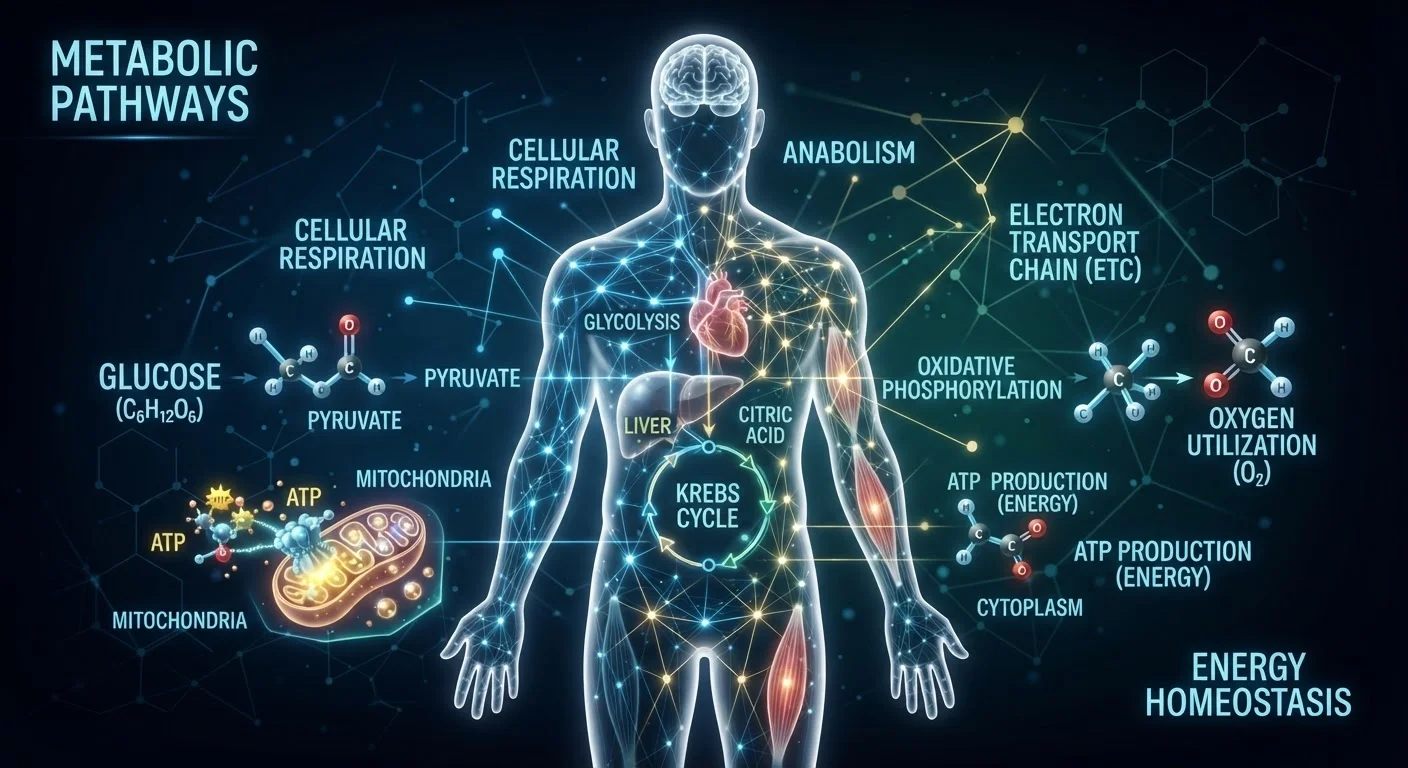
Photo: YetaWellness.com | Explore Trending Blogs editorial
Key Takeaways
- Metabolism is not a single speed dial - it comprises several distinct, interacting energy systems.
- Hormones like insulin, leptin, and cortisol significantly influence how the body stores and burns energy.
- The body adapts to calorie restriction in ways that can slow weight loss over time.
- Muscle mass, sleep quality, and stress levels all affect metabolic rate in measurable ways.
- Weight regulation is a biological process - not simply a matter of willpower or arithmetic.
What 'Calories In, Calories Out' Gets Right - and Wrong
The energy balance equation - consume fewer calories than you burn, lose weight - is not wrong, exactly. It reflects a real thermodynamic principle: the body cannot create energy from nothing. But treating this equation as a complete explanation for weight regulation is like describing a car's speed by referencing fuel input alone, while ignoring the engine, transmission, and road conditions.
Research consistently shows that two people consuming identical caloric intakes can have vastly different weight outcomes. Genetics, gut microbiome composition, sleep quality, stress load, hormonal status, and prior dieting history all influence how efficiently the body extracts and uses energy from food. The calorie equation describes a relationship - it does not dictate a simple, predictable result.
Understanding the fuller picture is not an invitation to abandon evidence-based health habits. It is an invitation to replace frustration with clarity. For a practical look at what everyday habits genuinely move the needle, see our guide to metabolism every day.
The Components of Metabolism
Metabolism refers to all the chemical processes that convert food into usable energy and support life. Total daily energy expenditure (TDEE) has four distinct components:
- Basal Metabolic Rate (BMR): The energy required to maintain basic physiological functions at rest - breathing, circulation, cell repair. BMR accounts for roughly 60-70% of total energy expenditure for most people.
- Thermic Effect of Food (TEF): The energy cost of digesting and metabolizing food, typically 10% of caloric intake. Protein has a higher thermic effect than carbohydrates or fat.
- Exercise Activity Thermogenesis (EAT): Energy burned during intentional exercise - the component most people think of when trying to influence their metabolism.
- Non-Exercise Activity Thermogenesis (NEAT): Energy expended through all movement that is not structured exercise - fidgeting, walking, standing, daily tasks. NEAT can vary by up to 2,000 calories per day between individuals, making it a surprisingly powerful variable.
Body composition directly affects BMR: lean muscle tissue burns more calories at rest than fat tissue. This is why body composition matters far more than scale weight alone when evaluating metabolic health.
60-70%
Of daily energy burned at rest (BMR)
Basal metabolic rate accounts for the majority of total daily energy expenditure, according to established exercise physiology research.
~2,000 kcal
Potential daily NEAT variation between individuals
Research by Dr. James Levine at the Mayo Clinic found non-exercise activity thermogenesis can differ by up to 2,000 calories per day between people.
Up to 15%
Reduction in BMR from adaptive thermogenesis
Studies published in peer-reviewed nutrition journals have documented metabolic rate suppression of this magnitude in individuals after significant calorie restriction.
How Hormones Shape Weight Regulation
Hormones act as the body's metabolic control system, continuously adjusting how energy is used, stored, and signaled. Several are particularly central to weight regulation:
- Insulin: Released by the pancreas in response to rising blood glucose, insulin facilitates energy storage. Chronically elevated insulin - often linked to diets high in refined carbohydrates - can promote fat storage and blunt fat-burning signals.
- Leptin: Produced by fat cells, leptin signals satiety to the brain. In some individuals with obesity, the brain becomes less responsive to leptin signals - a phenomenon called leptin resistance - making it harder to recognize fullness.
- Ghrelin: Often called the hunger hormone, ghrelin rises before meals and falls after eating. Sleep deprivation reliably elevates ghrelin levels, increasing appetite the following day.
- Cortisol: The body's primary stress hormone can increase appetite, promote abdominal fat storage, and contribute to insulin resistance when chronically elevated.
- Thyroid hormones (T3 and T4): These regulate the pace of nearly every metabolic process. An underactive thyroid (hypothyroidism) can meaningfully reduce BMR.
For a deeper exploration of these hormonal systems, hormones that regulate metabolism provides a detailed breakdown of each.
Metabolic Adaptation: Why the Body Fights Back
One of the most important - and underappreciated - facts about weight regulation is that the body actively resists change. When calorie intake drops significantly, the body responds by reducing energy expenditure through multiple mechanisms: lowering BMR, decreasing NEAT (people move less without realizing it), and altering hunger hormones to increase appetite.
This adaptive thermogenesis means that weight loss typically slows over time even without changes in behavior. It is a survival mechanism, not a personal failing. Studies of individuals who have lost substantial weight show that their metabolic rates can remain suppressed for years, meaning they require fewer calories to maintain their new weight than someone of the same size who never dieted.
When pursuing weight loss, avoid reducing calories so aggressively that muscle loss becomes inevitable. Preserving lean mass through adequate protein intake and resistance exercise helps slow the metabolic adaptation response.
Treat sleep as a metabolic priority, not a lifestyle luxury. Even two to three nights of shortened sleep can measurably shift hunger hormones and reduce insulin sensitivity.
This does not mean weight management is hopeless - it means expectations and strategies need to reflect biological reality rather than simple arithmetic. Approaches that preserve muscle mass, avoid extreme restriction, and support hormonal balance tend to be more sustainable over time. Exploring sustainable weight wellness can help frame what realistic long-term strategies look like.
What Actually Supports Healthy Metabolic Function
Given the complexity above, what levers do people actually have? Research points to several modifiable factors:
- Resistance training: Building and maintaining lean muscle mass is one of the most effective ways to support resting metabolic rate over time.
- Adequate sleep: Consistently poor sleep disrupts ghrelin and leptin levels, increases cortisol, and reduces insulin sensitivity - all in directions that make weight management harder.
- Stress management: Chronic psychological stress keeps cortisol elevated, with downstream effects on appetite and fat storage. This is not easily fixed by willpower alone.
- Dietary protein: Higher protein intake supports muscle preservation during weight loss and has a higher thermic effect than other macronutrients, contributing to satiety.
- Movement across the day: Because NEAT varies so dramatically, prioritizing general daily movement - not just formal exercise - can meaningfully affect total caloric expenditure.
None of these are quick fixes, and none work identically for every person. Metabolism is shaped by genetics, age, sex, health status, and life circumstances that differ widely. This is general health information intended to support informed decision-making - not a substitute for personalized guidance from a qualified healthcare provider. Anyone concerned about metabolic health, unexplained weight changes, or related symptoms should consult a physician or registered dietitian.
This article is for general informational and educational purposes only and does not constitute medical advice. Always consult a qualified healthcare professional for personal health concerns.
The content on this site is for informational purposes only and is not a substitute for professional advice. Always consult a qualified professional for guidance specific to your situation.