
The Science of Basal Metabolic Rate: Your Body's Energy Floor

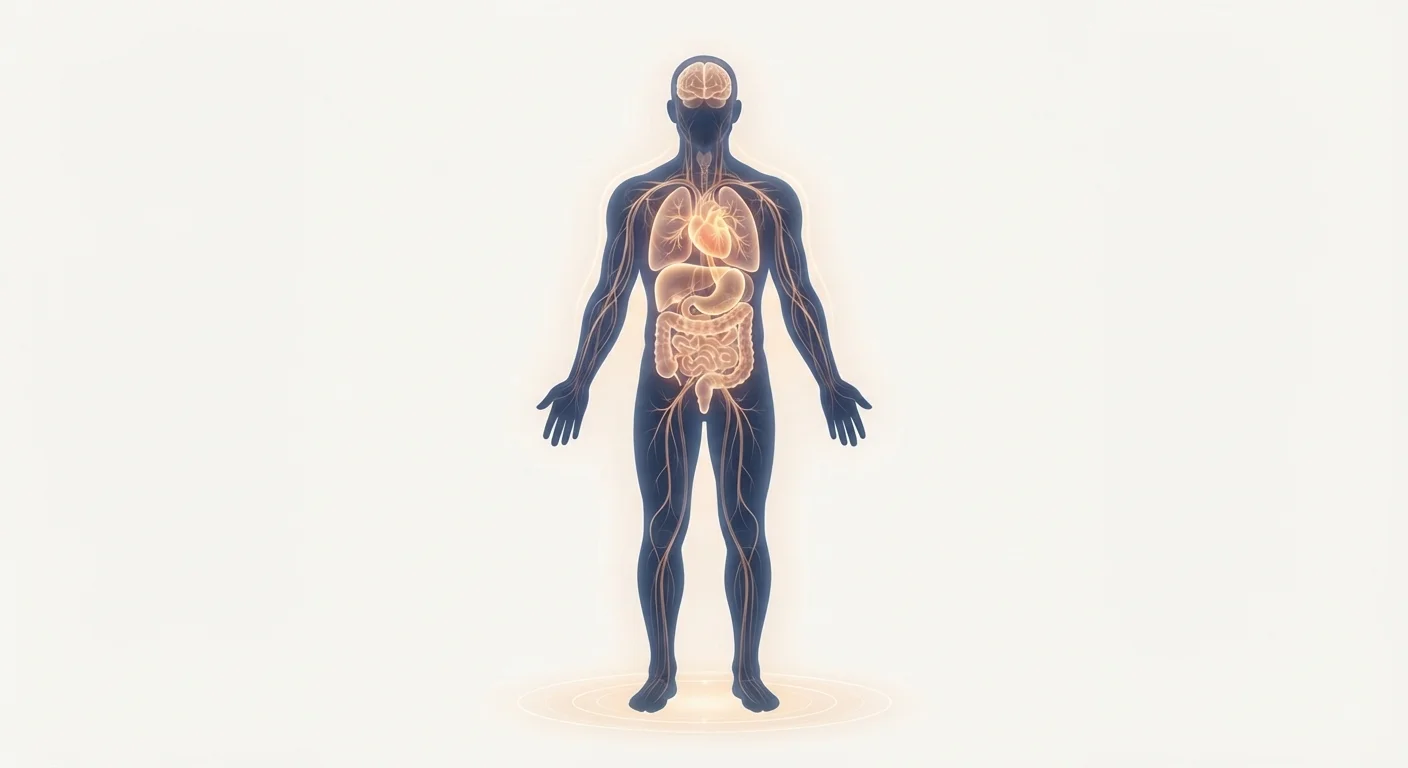
Photo: YetaWellness.com | Explore Trending Blogs editorial
Key Takeaways
- BMR accounts for roughly 60-75% of total daily calorie expenditure in most people.
- Lean muscle mass is one of the strongest predictors of a higher BMR.
- Genetics, age, sex, and body size all influence where your BMR lands.
- Popular estimation equations like Mifflin-St Jeor provide useful approximations, not exact measurements.
- BMR alone does not determine weight - total energy balance involves activity, digestion, and more.
What BMR Actually Measures
Think of your basal metabolic rate as your body's baseline electricity bill - the energy cost of keeping the lights on before any activity begins. Every second of every day, your heart pumps blood, your kidneys filter waste, your brain processes signals, and your cells repair themselves. All of this requires fuel, even during sleep.
BMR captures that baseline fuel requirement. It does not include calories burned through movement, exercise, or digesting food. Those are separate components of your total energy expenditure. For most adults, BMR accounts for roughly 60-75% of all the calories they burn in a day, making it the dominant factor in overall energy needs.
For a broader look at how BMR fits alongside other metabolism terms, see our plain-language metabolism reference guide.
60-75%
Share of daily calories accounted for by BMR
Research consistently shows BMR is the largest single component of total daily energy expenditure for most adults.
~1,600 kcal
Approximate average BMR for adult women
Individual BMR varies widely based on body size, composition, age, and hormonal factors.
~1,900 kcal
Approximate average BMR for adult men
Differences largely reflect average distinctions in lean muscle mass and body size between sexes.
What Drives Your BMR
Several biological factors shape where your BMR lands - some fixed, some modifiable.
- Body size and composition: Larger bodies and bodies with more lean muscle mass have higher BMRs. Muscle tissue is metabolically active at rest, meaning it burns more calories than fat tissue even when you're doing nothing. This is explored in depth in our article on how muscle and fat tissue affect resting energy burn.
- Sex: On average, people assigned male at birth tend to have higher BMRs than those assigned female at birth, largely because of differences in average muscle mass and body composition.
- Age: BMR generally declines over a lifetime, with research suggesting the shift accelerates after age 60. Much of this relates to muscle loss rather than aging itself. Our article on how age changes the way your body burns energy explains the nuances.
- Genetics: Inherited differences in organ size, hormonal function, and cellular efficiency mean two people of identical size and composition can have meaningfully different BMRs.
- Hormones: Thyroid hormones are particularly influential. Both hypothyroidism and hyperthyroidism can significantly alter metabolic rate. Other hormones - including insulin, cortisol, and sex hormones - also play supporting roles.
For a comprehensive breakdown of which factors are fixed versus modifiable, see factors that influence metabolic rate.
How BMR Is Estimated
True BMR measurement requires indirect calorimetry - analyzing the oxygen consumed and carbon dioxide produced by the body in a controlled laboratory setting. This remains the gold standard but is impractical for everyday use.
In practice, most clinicians and health apps rely on validated prediction equations. The Mifflin-St Jeor equation, developed in 1990, is widely considered among the most accurate for the general population. It uses height, weight, age, and sex to generate an estimate. The older Harris-Benedict equation is also widely cited but tends to slightly overestimate BMR in sedentary individuals.
It is important to understand that these equations produce population-level estimates. Individual variation means your actual BMR could differ from an equation's output by 10-15% or more - particularly for people with atypical body compositions, athletes, or those with metabolic conditions.
Use BMR Estimates as a Starting Point
BMR in the Context of Your Full Energy Picture
BMR is the foundation, but it's only part of the structure. Your Total Daily Energy Expenditure (TDEE) also includes:
- Physical activity: Structured exercise like running, lifting, or cycling.
- NEAT (Non-Exercise Activity Thermogenesis): The calories burned through everyday movement - fidgeting, walking, standing, household tasks. This component is often underestimated but can be substantial. Learn more in our piece on NEAT: the hidden engine behind everyday calorie burn.
- Thermic Effect of Food (TEF): The energy required to digest, absorb, and process nutrients - typically around 10% of total calorie intake.
Understanding BMR helps place these other factors in context. It explains why two people following the same eating pattern may have different energy outcomes, and why sweeping generalizations about calories rarely capture the full picture.
This article is for general informational and educational purposes only and is not a substitute for professional medical advice. If you have questions about your metabolism, energy needs, or health conditions, consult a qualified healthcare provider.
Frequently Asked Questions
The content on this site is for informational purposes only and is not a substitute for professional advice. Always consult a qualified professional for guidance specific to your situation.