
Why Crash Diets Can Slow Metabolic Rate Over Time

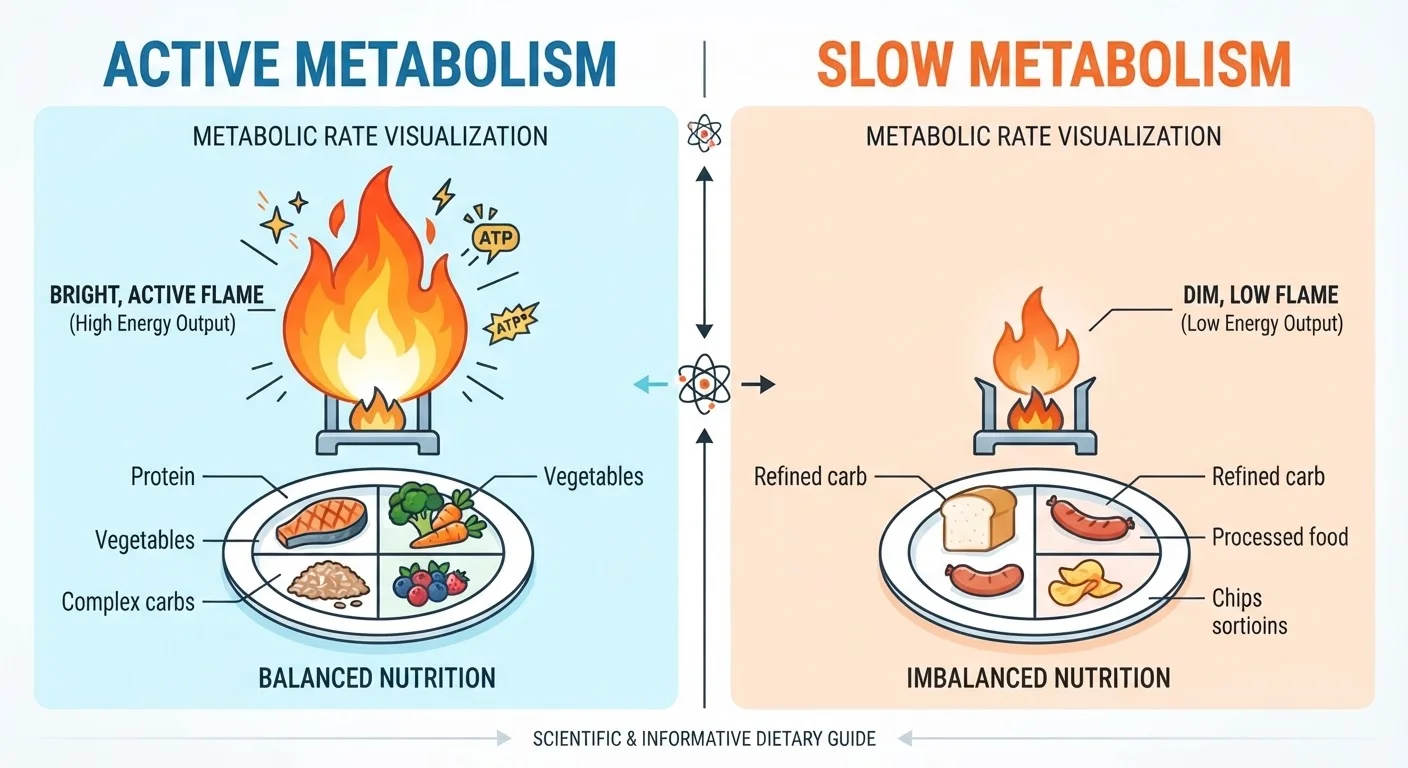
Photo: YetaWellness.com | Explore Trending Blogs editorial
Key Takeaways
- Crash diets trigger metabolic adaptation, causing the body to burn fewer calories as a survival response.
- The reduction in metabolic rate often exceeds what's explained by muscle or weight loss alone.
- Non-exercise activity thermogenesis (NEAT) drops significantly during severe calorie restriction.
- Metabolic adaptation can persist well after normal eating resumes, contributing to weight regain.
- Gradual, sustainable approaches to calorie management are less likely to provoke extreme metabolic slowdown.
What Happens Inside Your Body During Severe Calorie Restriction
When calorie intake drops sharply - as it does on crash diets - the body interprets the shortage as a threat to survival. Rather than passively burning through stored energy, it activates a coordinated physiological response to conserve fuel. Hormones shift, organ activity slows, and the overall rate at which you burn energy decreases - sometimes substantially.
This response involves several overlapping systems. Thyroid hormone output - a major regulator of metabolic rate - tends to decline. Leptin, the hormone that signals fullness and supports energy expenditure, drops quickly with reduced calorie intake. Meanwhile, hunger-promoting hormones increase, creating a biological pressure to eat more while the body simultaneously burns less. The result is a metabolic environment that actively works against the goals of rapid weight loss.
For a broader look at how energy burning varies between individuals, see what the evidence shows about metabolic variation.
The Role of NEAT and Muscle Loss
Two of the most underappreciated contributors to metabolic slowdown are muscle loss and a drop in NEAT - non-exercise activity thermogenesis. NEAT encompasses all the energy burned through incidental daily movement: standing, fidgeting, walking between rooms, adjusting posture. Research shows that during calorie restriction, the brain unconsciously suppresses these small movements, shaving hundreds of calories off daily expenditure without the person noticing any deliberate change in behavior.
Muscle tissue is metabolically expensive - it requires more energy to maintain than fat tissue. Crash diets, especially those low in protein, accelerate muscle breakdown as the body seeks additional fuel sources. Less muscle means a lower resting metabolic rate (RMR) - the calories burned just to keep basic body functions running. This creates a compounding effect: the diet reduces total energy intake while the body simultaneously lowers its energy requirements, narrowing the deficit the dieter was counting on.
Protecting Muscle During a Calorie Deficit
Why the Slowdown Can Outlast the Diet
One of the most clinically significant findings in metabolic research is that adaptive thermogenesis doesn't simply reverse when normal eating resumes. Long-term follow-up studies on individuals who have undergone very large calorie deficits show that metabolic rate can remain suppressed for extended periods - sometimes years - beyond the active diet phase. This helps explain why many people regain weight after crash dieting even when they return to moderate, reasonable eating patterns.
The body, in effect, recalibrates its energy budget downward based on the restriction it experienced. Combined with persistent hormonal changes - including elevated hunger signals and reduced satiety hormones - this creates conditions that make weight maintenance genuinely harder after rapid loss than before the diet began. This is not a matter of discipline; it is measurable physiology.
It's worth noting that age-related metabolic changes add a separate layer of complexity. The science of aging metabolism shows that while metabolism does shift across a lifetime, the mechanisms differ from diet-induced adaptation.
What This Means for Sustainable Weight Wellness
Understanding metabolic adaptation reframes the conversation around weight management. Crash dieting is not simply inefficient - it actively changes the metabolic landscape in ways that can make future efforts harder. Moderate, consistent calorie deficits are less likely to trigger the full adaptive response, particularly when paired with adequate dietary protein and resistance exercise, which help preserve lean muscle mass.
There is no single approach that works identically for everyone, and individual variation in the magnitude of adaptation is real and meaningful. What the evidence consistently supports is that slower, more measured approaches to calorie management tend to produce more durable outcomes with less metabolic disruption. Common metabolism myths explored elsewhere on this site also address how misunderstandings about metabolism can lead people toward counterproductive strategies in the first place.
This article is for general informational and educational purposes only and does not constitute medical advice. Always consult a qualified healthcare professional before making changes to your diet, exercise routine, or health plan.
Frequently Asked Questions
The content on this site is for informational purposes only and is not a substitute for professional advice. Always consult a qualified professional for guidance specific to your situation.