
Activity Trackers and Daily Movement: Setting Realistic Expectations

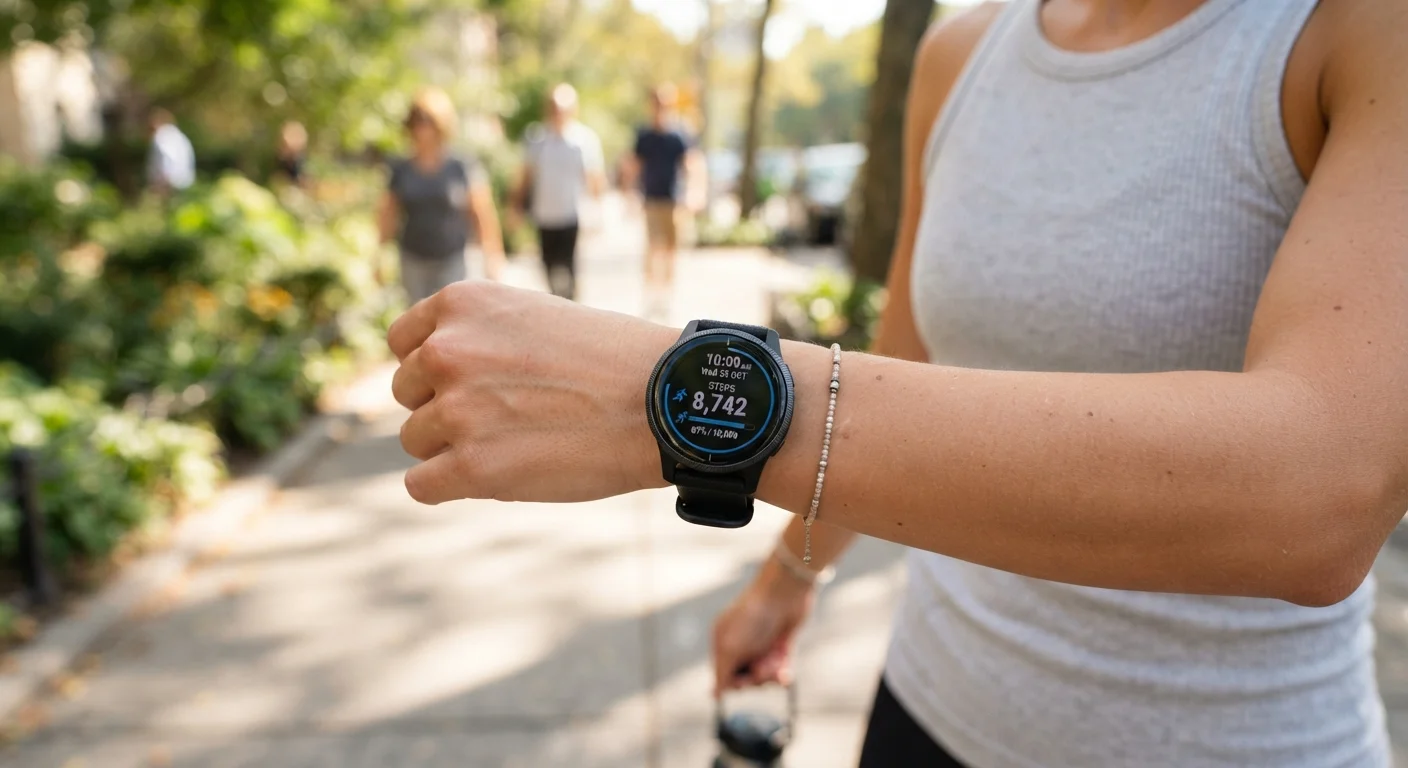
Photo: YetaWellness.com | Explore Trending Blogs editorial
What Activity Trackers Actually Measure
Wearable activity trackers - wristbands, smartwatches, and clip-on devices - use accelerometers to detect motion and estimate movement patterns throughout the day. Some also incorporate optical heart rate sensors, GPS, and skin temperature readings. Understanding what each sensor does (and doesn't) capture is the first step to using your device wisely.
Step counting is generally the most reliable function of consumer trackers. Research published in exercise science literature consistently shows that wrist-worn devices are reasonably accurate at counting steps during steady walking on flat surfaces. Accuracy tends to drop during activities with irregular arm movement - cycling, weight training, or pushing a stroller, for example - because the device cannot always distinguish purposeful motion from incidental wrist movement.
Heart rate monitoring has improved significantly in recent years but still carries meaningful margin of error, particularly during high-intensity intervals or activities that limit wrist movement. Calorie burn estimates are derived from these imperfect inputs, which is why they should be treated as rough guides rather than precise measurements. For a broader look at how measurement errors accumulate, see how body composition measurements go wrong.
Where Tracker Data Falls Short
The most common misuse of activity tracker data is treating estimates as exact values. Calorie-burn figures, sleep stage breakdowns, and stress scores are computed from algorithms that vary by manufacturer and are often validated only on limited population samples. If your tracker says you burned 500 calories on a walk, the true figure could plausibly be 15-25% higher or lower depending on your body size, fitness level, and terrain.
Sleep tracking illustrates the gap between consumer devices and clinical tools. Trackers infer sleep stages from movement and heart rate, whereas clinical polysomnography measures brain activity directly. Consumer sleep scores can be directionally useful - noticing a pattern of consistently short sleep - but should not be used to self-diagnose sleep disorders.
Sedentary time alerts (reminders to stand or move after a period of inactivity) are among the most behaviorally useful features, yet they, too, rely on motion detection. A tracker may not register low-movement tasks like driving or desk work the same way across devices.
If your step goal habit keeps slipping despite wearing a tracker, explore the common patterns that derail daily step goals - the issue is usually about environment and habit design, not the device itself.
Setting Goals That Match How Trackers Work
The most effective way to use an activity tracker is to treat it as a trend tool rather than a precision instrument. Instead of optimizing for a single day's numbers, look at weekly averages. A consistent upward trend in average daily steps over several weeks is a meaningful signal of progress, regardless of any single day's count.
The 10,000 Steps Myth
Popular step targets - including the widely cited 10,000-step figure - originated from a 1960s Japanese marketing campaign, not a clinical recommendation. Research does support the general principle that more daily walking is associated with health benefits, but the optimal threshold varies by individual. Working toward your personal baseline improvement is more meaningful than chasing a universal number.
For readers building movement into daily life without a gym routine, a weekly audit can reveal where activity gaps actually exist. A structured weekly active lifestyle audit can help you see patterns across the full seven days rather than fixating on yesterday's count. If you are returning to activity after a long sedentary period, a gradual re-entry approach will serve you better than any step target.
This article is for general informational purposes only and is not a substitute for professional medical advice. If you have a health condition affecting your ability to exercise, consult a qualified healthcare provider before changing your activity level.
The content on this site is for informational purposes only and is not a substitute for professional advice. Always consult a qualified professional for guidance specific to your situation.