
Movement Snacks: Small Bursts of Activity and What They Actually Do

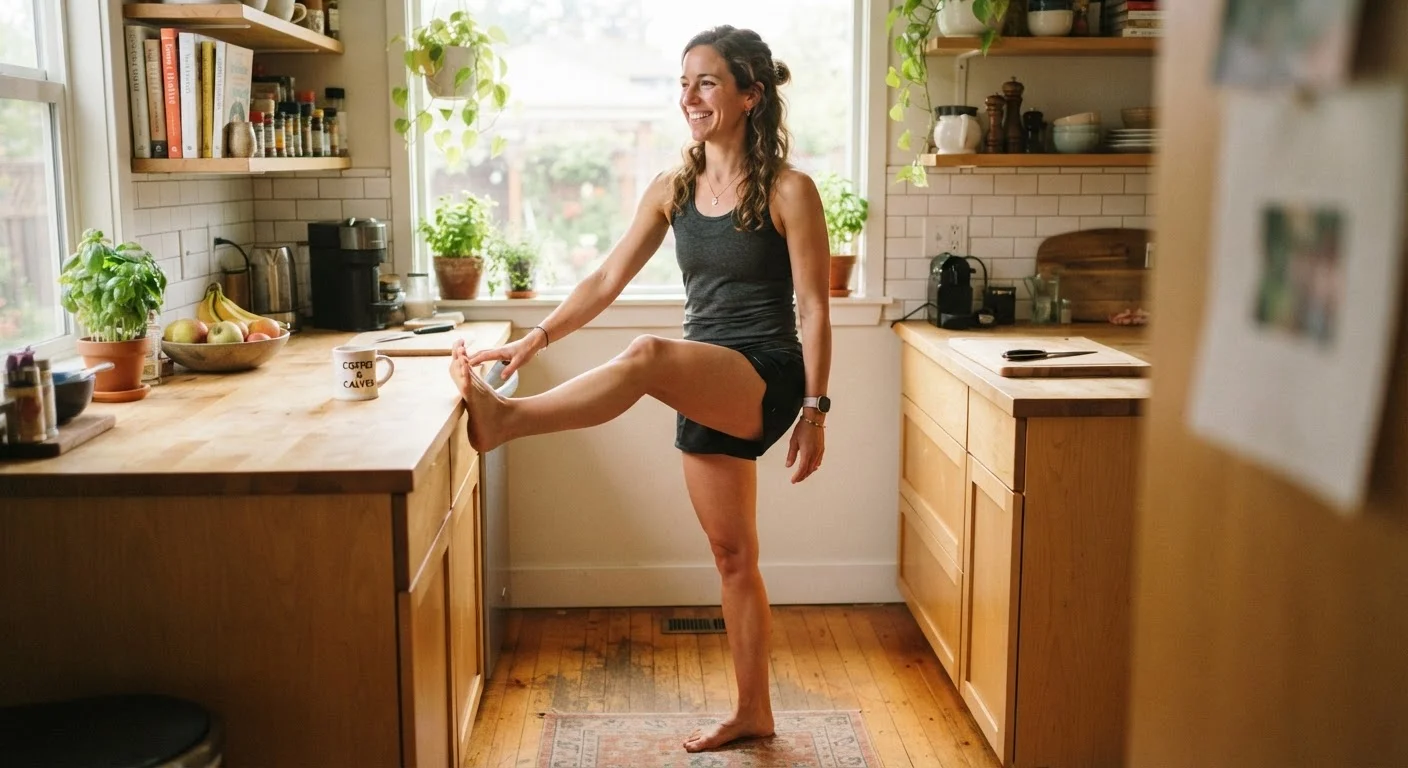
Photo: YetaWellness.com | Explore Trending Blogs editorial
Key Takeaways
- Movement snacks are short, informal activity bursts - usually one to five minutes - done multiple times throughout the day.
- They differ from structured exercise in intent and duration, but research suggests they can still deliver measurable health benefits.
- Breaking up prolonged sitting with movement snacks may help regulate blood sugar, blood pressure, and energy levels.
- Multiple short bouts of movement can contribute toward weekly physical activity guidelines when they add up.
- No equipment or gym membership is needed - movement snacks work anywhere, anytime.
What Sets Movement Snacks Apart from Traditional Exercise
Structured exercise - a 45-minute run, a spin class, a weight-training session - follows a predictable format: dedicated time, deliberate effort, a defined start and end. Movement snacks operate on different logic entirely. They slot into the white space of your day: the two minutes between tasks, the wait for the kettle to boil, the commercial break you'd otherwise scroll through.
This distinction matters because it lowers the barrier to entry dramatically. You don't need to change clothes, commute to a gym, or carve out an uninterrupted hour. A movement snack is more like a reflex than a routine - and that accessibility is precisely what makes it useful for people who genuinely can't sustain a formal exercise schedule.
For a broader look at how movement fits into an ordinary day without a gym, see our guide to building a daily movement practice without a gym membership.
What the Evidence Actually Says
Research on short activity bouts has grown substantially over the past decade. Studies published in journals such as Applied Physiology, Nutrition, and Metabolism have found that brief stair-climbing sessions performed multiple times per day can meaningfully improve cardiorespiratory fitness. Other research consistently shows that interrupting prolonged sitting - even with just a few minutes of light activity - helps regulate postmeal blood sugar and reduces markers associated with cardiovascular risk.
A key insight from the science is that the body responds to cumulative movement stimulus. Several short bouts can produce physiological changes comparable to a single longer session for certain health outcomes, particularly blood glucose management and reduced sedentary time. That said, researchers continue to study the degree to which movement snacks can replicate the full range of adaptations from sustained, higher-intensity exercise.
150 min
Weekly moderate activity recommended by U.S. guidelines
The U.S. Department of Health and Human Services Physical Activity Guidelines for Americans note that activity accumulated in bouts of any length counts toward this target.
~30 min
Typical sitting interval before a break is recommended
Research on sedentary behavior commonly suggests interrupting sitting every 30 to 60 minutes with brief movement to help manage metabolic and cardiovascular risk factors.
3×/day
Short stair-climbing sessions that improved fitness
A study published in Applied Physiology, Nutrition, and Metabolism found that three brief stair-climbing bouts per day improved cardiorespiratory fitness over several weeks.
For a deeper look at what the research says about breaking up sedentary time, see Sitting Less, Moving More: The Science Behind Breaking Up Sedentary Time.
Practical Ways to Build Movement Snacks Into Your Day
The most effective movement snack is one you'll actually do. A useful starting point is pairing activity with an existing habit - a behavior-change approach sometimes called habit stacking. Stand and stretch every time you finish a phone call. Do a set of squats before you pour your morning coffee. Take a brief walk loop around the office or apartment before sitting back down after lunch.
Movement and mobility principles apply here too: vary your movement patterns across the day rather than repeating the same action. Mix lower-body moves like marching in place or lunges with upper-body stretches or shoulder circles to keep joints mobilized. This variety also supports joint health over time - relevant reading for anyone thinking about longevity: daily movement habits that support joint health over the long term.
To track how your activity snacks are stacking up week to week, a structured self-check can help - try our weekly active lifestyle audit to see where gaps exist and where you're already doing well.
This article is for informational purposes only and is not medical advice. Consult a qualified healthcare professional before beginning any new physical activity program, especially if you have a chronic health condition, injury, or other medical concern.
Frequently Asked Questions
The content on this site is for informational purposes only and is not a substitute for professional advice. Always consult a qualified professional for guidance specific to your situation.