
Building a Daily Movement Practice Without a Gym Membership

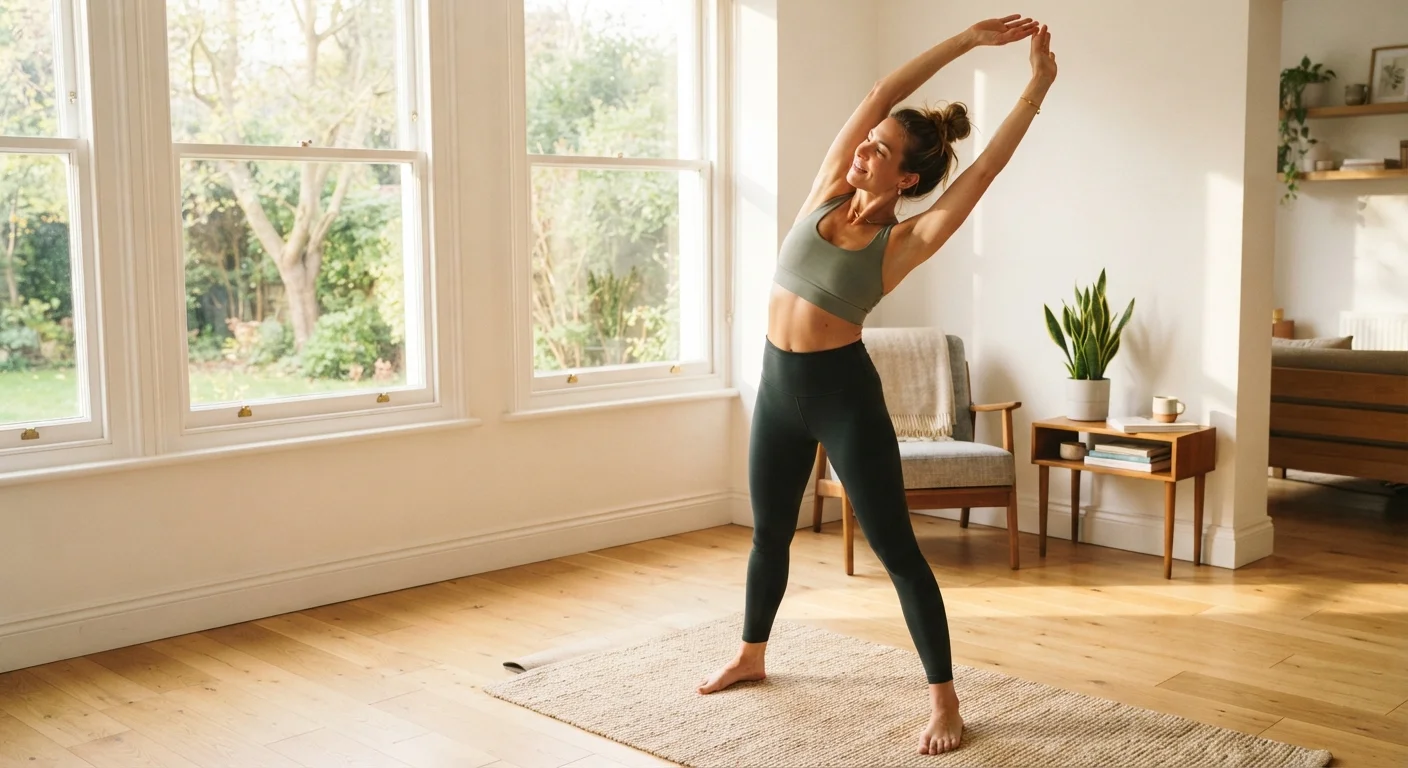
Photo: YetaWellness.com | Explore Trending Blogs editorial
Key Takeaways
- Accumulated daily movement — not just formal workouts — meaningfully supports cardiovascular, metabolic, and joint health.
- Short activity bursts throughout the day, sometimes called movement snacks, have measurable health benefits according to current research.
- Simple habit-stacking techniques make it easier to build movement into routines you already follow.
- No equipment, gym membership, or athletic background is required to meet general physical activity guidelines.
- Consistency over intensity is the most reliable predictor of long-term movement success.
Why Everyday Movement Matters as Much as Formal Exercise
Public health guidelines from the CDC recommend that adults get at least 150 minutes of moderate-intensity aerobic activity per week — but they do not specify that activity must come from scheduled workouts. Research consistently shows that how much you move throughout the entire day carries significant weight for health outcomes, independent of whether you ever set foot in a gym.
Prolonged sitting is associated with increased risk of cardiovascular disease, type 2 diabetes, and all-cause mortality — even in people who exercise regularly. This means the goal is not to find one large block of movement per day, but to reduce sedentary time and distribute activity more evenly. For a deeper look at how this plays out for desk workers, see turning a sedentary workday into a moving one.
If you are new to building a consistent habit, the principles in building a mobility habit that actually sticks offer a practical framework for making change durable.
What You Need Before You Start
One of the most appealing aspects of a home-based movement practice is its low barrier to entry. Still, a few basics help.
What you will need
If you are managing a chronic condition, recovering from injury, are pregnant, or have concerns about starting a new activity routine, consult your healthcare provider before beginning. This article provides general health information, not personal medical advice.
Building Your Daily Movement Practice: Step by Step
The steps below are designed to be layered progressively. Start with Step 1 and add one new behavior every few days rather than attempting everything at once.
Set a Consistent Morning Anchor
Choose one movement behavior to do every morning within 30 minutes of waking. This does not need to be intense — five to ten minutes of gentle mobility work, walking in place, or bodyweight stretching is enough. The purpose is to establish a reliable daily trigger that signals to your brain that movement is part of your day.
Good starting options include: hip circles, shoulder rolls, a slow bodyweight squat sequence, or a short walk outside. Your first week of daily mobility work provides a beginner-friendly template if you want a structured starting point.
Add Scheduled Movement Breaks During the Day
Set two to three reminders during your workday to stand, stretch, or walk for two to five minutes. These brief interruptions to sitting time — often called movement snacks — have been shown in research to reduce blood glucose spikes after meals and improve circulation.
Examples: march in place for two minutes, do ten slow bodyweight squats, walk to a window and back, or perform a standing back extension. The specific activity matters less than breaking up sedentary time consistently.
Incorporate Incidental Movement Into Existing Tasks
Look for decision points in your day where you can choose the more active option without significantly changing your schedule. Walk or bike to nearby errands instead of driving. Take the stairs. Stand during phone calls. Carry groceries rather than using a cart when the load is manageable.
These choices compound. Studies measuring total daily step counts show that incidental activity — movement that is not labeled "exercise" — can account for a substantial share of a person's overall energy expenditure.
Build a Short Structured Session Three to Five Days Per Week
Once the first three steps feel automatic — usually within one to two weeks — add a 15 to 20 minute bodyweight session several days per week. Focus on functional movement patterns: pushing (push-ups or wall push-ups), pulling (resistance band rows or doorframe rows), hinging (deadlift-pattern with no weight or a light household object), squatting, and core engagement (plank variations).
You do not need equipment for this to be effective. For context on how home-based training compares to gym training in terms of outcomes, see working out at home vs. going to a gym.
End Each Day With a Wind-Down Movement Ritual
A short evening mobility routine — five to ten minutes of gentle stretching or slow breathing-linked movement — supports recovery, signals the end of the active day, and helps regulate the nervous system before sleep. Focus on areas that feel tight from the day: hip flexors, thoracic spine, calves, and shoulders.
This step also reinforces the identity shift that makes a movement practice sustainable: you become someone who moves every day, not just someone who works out occasionally.
Progress Gradually to Avoid Burnout
For those interested in exploring structured movement styles beyond bodyweight basics, yoga, Pilates, and Tai Chi compared offers a useful overview of accessible options.
Making It Stick Over Time
Research on behavior change consistently points to one key factor: environment design matters more than willpower. Place your yoga mat where you can see it in the morning. Set a recurring phone reminder labeled with a specific cue, not just "exercise." Link movement to something you already do — a morning coffee, a lunch break, or the end of a work call.
Movement snacks — short bursts of activity — are an especially practical tool here. Even two to five minutes of brisk walking or bodyweight movement repeated several times a day has been shown to improve blood sugar regulation and reduce the metabolic consequences of sitting.
If you are rebuilding after a period of inactivity, a gradual re-entry approach is safest. The guide on getting back to regular movement after a long break can help you calibrate an appropriate starting point. For joint-specific considerations — particularly relevant as you age — daily movement habits that support joint health provides targeted guidance.
This article is for general informational and educational purposes only and does not constitute medical advice. Always consult a qualified healthcare professional before starting a new exercise program, especially if you have existing health conditions.
The content on this site is for informational purposes only and is not a substitute for professional advice. Always consult a qualified professional for guidance specific to your situation.