
Before Your First Gym Session: A Readiness Checklist

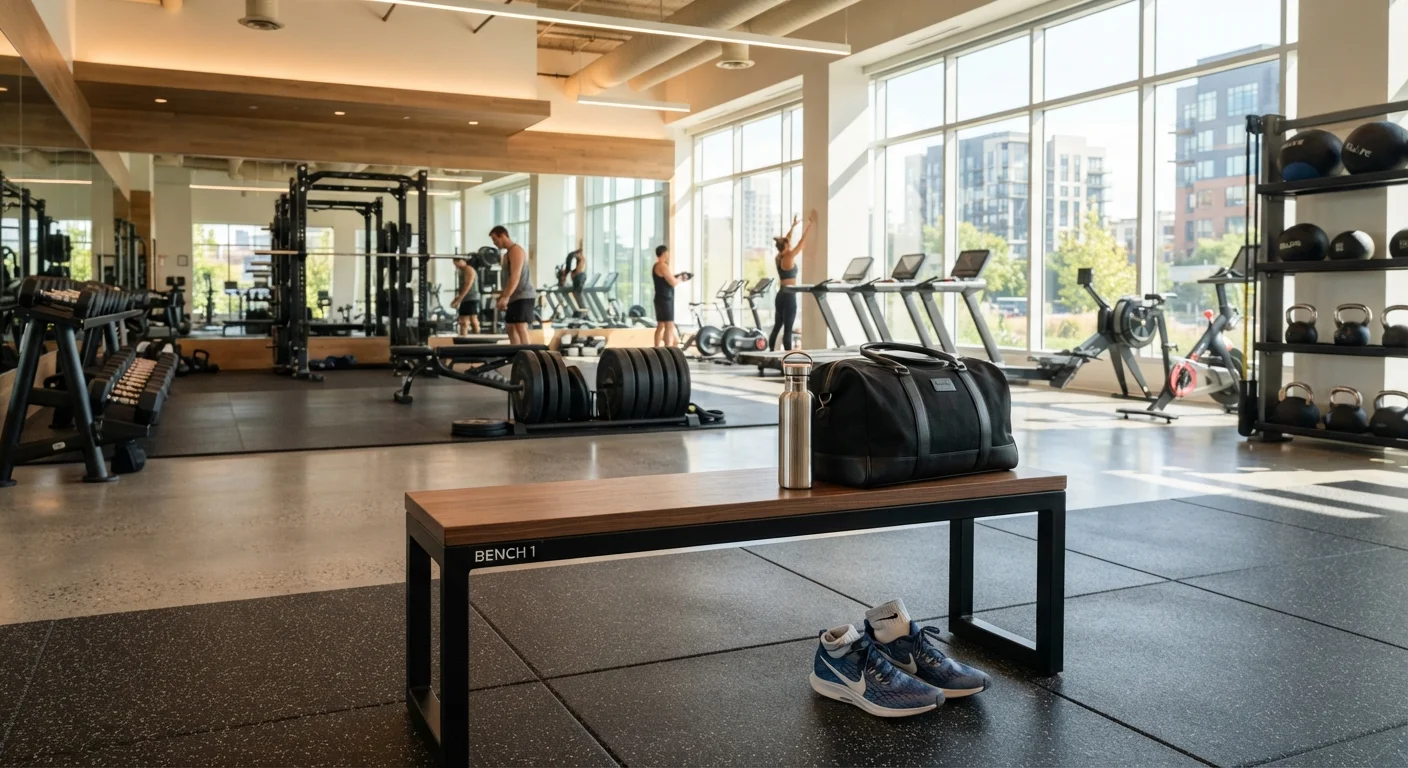
Photo: YetaWellness.com | Explore Trending Blogs editorial
Key Takeaways
- Wear supportive, activity-appropriate footwear to reduce injury risk during your first session.
- Arrive hydrated and bring a filled water bottle — don't rely solely on gym fountains.
- Understanding basic gym etiquette makes your experience more comfortable and respectful of others.
- Knowing two or three foundational movements before you arrive builds real confidence.
- Starting with a clear, modest goal for session one helps prevent overexertion and disappointment.
Why Preparation Matters Before Session One
Walking into a gym for the first time without any preparation is one of the most common reasons beginners feel overwhelmed and don't come back. It's not about fitness level — it's about not knowing what to expect. A little groundwork changes that completely.
This checklist is designed to help you arrive informed, comfortable, and ready to move. Whether you're building your first exercise habit or returning after a long break, these steps apply equally. Think of it as an honest audit of what you need before you set foot on the gym floor.
Run through each item in the days before your session — not the morning of. Some items, like checking your footwear or speaking with a doctor if you have a health concern, need more lead time than others.
When to Get Medical Clearance First
What You Need and What to Bring
The right gear doesn't need to be expensive, but it does need to be appropriate. Ill-fitting shoes and missing a towel are small oversights that create real friction once you're inside.
Athletic Footwear
Provides the arch support, grip, and stability needed for gym floor surfaces and equipment use.
Water Bottle
Keeps you hydrated throughout the session without relying on shared gym fountains.
Small Gym Towel
Required by most gyms for wiping down machines and benches after use — a basic courtesy and hygiene standard.
Gym Lock
Secures your belongings in a locker while you're on the floor, so you can move freely without monitoring your bag.
Notebook or Notes App
Lets you log which exercises you tried, how they felt, and what adjustments to make next time.
Beyond physical gear, think about what you're bringing mentally. Set a single, modest goal for session one — for example, completing a 20-minute walk on the treadmill and trying two resistance machines. Arriving with that kind of scope prevents the common trap of doing too much too soon, which often leads to excessive soreness and skipped follow-up sessions.
The Full Readiness Checklist
Work through each group below before your first visit. Items marked must are non-negotiable for safety and basic function. Items marked should are strongly recommended, especially for first-timers. Nice-to-have items improve comfort and confidence but won't make or break your session.
Health & Medical Clearance
Gear & Clothing
Pre-Session Habits
Gym Knowledge & Etiquette
Session Planning
If you're managing any chronic condition, recovering from injury, or haven't been active in a long time, speak with a healthcare provider before beginning a new exercise program. A quick check-in can clarify any movement restrictions and help you get started safely. For guidance on what to discuss, see our resource on preparing for a routine checkup.
Don't Skip the Warm-Up on Day One
After Session One: What Comes Next
Your first session is a data-gathering trip as much as a workout. Notice which movements felt awkward, which machines seemed useful, and how your energy held up. That information shapes your second session more than any program template.
Soreness 24–48 hours after your workout is normal, especially if your body isn't used to structured movement. This is called DOMS — delayed onset muscle soreness — and it typically fades within a few days. Gentle walking and light stretching can help manage it. If you want to complement your gym work with daily flexibility habits, your first week of daily mobility work is a practical place to start.
The bigger picture is consistency. One good session builds almost nothing on its own — but one good session that leads to another, and another, is how lasting fitness habits form. See building an active lifestyle from the ground up for a broader framework to support your momentum.
This article is for general informational purposes only and does not constitute medical advice. Always consult a qualified healthcare professional before starting a new exercise program, particularly if you have an existing health condition or have been inactive for an extended period.
The content on this site is for informational purposes only and is not a substitute for professional advice. Always consult a qualified professional for guidance specific to your situation.