
Joint Health Through the Decades: What Changes and What Helps

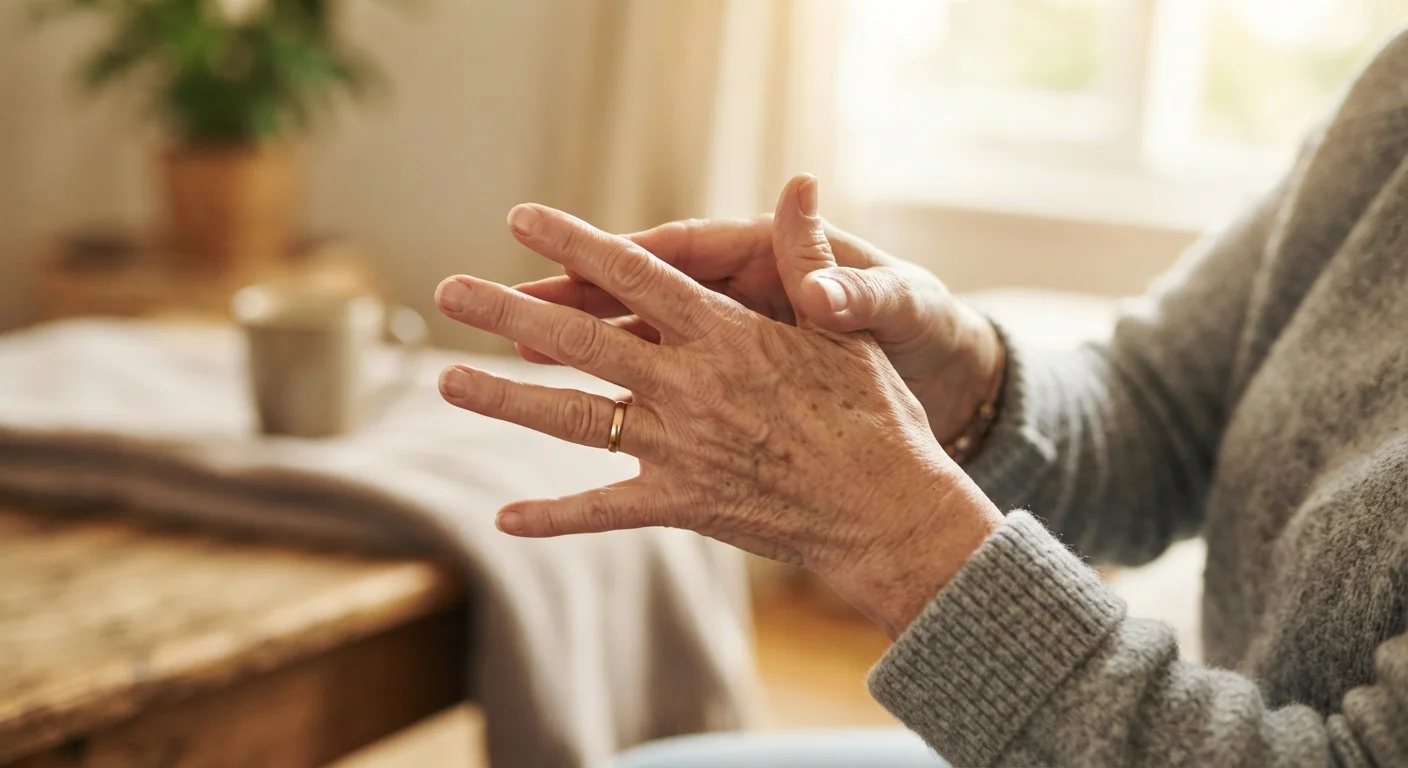
Photo: YetaWellness.com | Explore Trending Blogs editorial
Key Takeaways
- Cartilage thins and synovial fluid decreases naturally with age, reducing joint cushioning over time.
- Inflammation, not just wear, is a key driver of age-related joint discomfort and stiffness.
- Low-impact, consistent movement is one of the most evidence-supported ways to maintain joint function.
- Joint changes vary significantly between individuals — genetics, lifestyle, and prior injury all play roles.
- Early attention to movement habits across your 30s, 40s, and 50s can meaningfully influence later joint health.
What Happens to Joints as You Age
Joints are complex structures — cartilage, synovial fluid, ligaments, tendons, and bone all work together to allow smooth, pain-free movement. Each of these components changes over time, and understanding those shifts is the first step in managing them effectively.
Cartilage is the smooth tissue that cushions the ends of bones where they meet. Beginning in early adulthood, cartilage gradually loses its water content and becomes less able to repair itself. By the 40s and 50s, many people notice the first signs of this thinning — occasional stiffness after sitting, or mild discomfort with high-impact activities. This process accelerates in the 60s and beyond, particularly in weight-bearing joints like the knees, hips, and spine.
Synovial fluid, the lubricating liquid inside joint capsules, also decreases in volume and viscosity with age. This fluid delivers nutrients to cartilage (which has no blood supply of its own) and reduces friction during movement. Less of it means joints move less smoothly and recover more slowly from exertion.
Ligaments and tendons lose elasticity gradually, contributing to reduced range of motion. This is partly why morning stiffness becomes more common — connective tissue that was once pliable takes longer to warm up. For a broader picture of how other body systems shift in parallel, see how cardiovascular function changes with age.
Importantly, low-grade systemic inflammation — sometimes called inflammaging — also increases with age and contributes to joint breakdown independent of mechanical wear. The immune system's evolving role in this process is described in detail in our look at how the immune system changes with age.
A Decade-by-Decade Overview
Joint changes don't happen all at once. They accumulate gradually, often invisibly, which is why habits built in midlife carry disproportionate long-term weight.
- 30s: Cartilage repair begins to slow. Recovery time after intense exercise increases. This is the decade to establish sustainable movement habits rather than rely on youthful resilience.
- 40s: Stiffness becomes more noticeable, especially in the morning or after prolonged sitting. Synovial fluid changes become more functionally relevant. Flexibility declines measurably without deliberate maintenance.
- 50s: Hormonal shifts — particularly the decline in estrogen in postmenopausal women — can accelerate cartilage loss and increase inflammatory markers. Muscle mass also begins to decline more steeply (a process called sarcopenia), placing greater mechanical stress on joints.
- 60s and beyond: Structural changes become more pronounced. Osteoarthritis — the most common joint condition in older adults — affects a significant portion of adults over 65. Yet pain and function don't always correlate directly with imaging findings; many people with visible joint changes live with minimal discomfort.
For a mobility-focused perspective on how these shifts affect everyday movement, see how movement needs change across the decades.
What the Evidence Says About Protecting Joint Health
Consistency Outperforms Intensity
Movement remains the most consistently evidence-supported intervention for joint health across all ages. Research in rheumatology and sports medicine broadly supports the view that appropriate physical activity — particularly low-impact aerobic movement and resistance training — helps preserve cartilage health, reduces inflammatory markers, and maintains the muscle support that protects joints from excessive load.
Key principles grounded in current evidence include:
- Load is necessary, but type matters. Joints need mechanical stimulation to stay healthy — complete rest accelerates deconditioning. However, high-impact repetitive activity without adequate recovery can accelerate wear, particularly in already-compromised joints.
- Muscle strength is protective. Strong muscles around a joint absorb force that would otherwise be transferred to cartilage and bone. Quadriceps strength, for example, is closely associated with knee joint outcomes in aging adults.
- Range-of-motion work preserves function. Regular, gentle stretching and mobility exercises help maintain ligament and tendon flexibility and slow the loss of usable range of motion.
- Body weight has a measurable effect. Each additional pound of body weight applies roughly three to four pounds of force on the knee joint during walking, according to research published in the journal Arthritis & Rheumatism. Maintaining a healthy body weight is one of the more modifiable factors in joint load management.
For practical approaches to weaving movement into daily life — not just formal workouts — see daily movement habits that support joint health.
Steps to Build a Joint-Supportive Routine
The following steps outline a structured approach to adapting your activity habits in response to age-related joint changes. These are general health education guidelines — always consult a qualified healthcare provider before beginning a new exercise program, especially if you have an existing joint condition or recent injury.
Assess your current movement baseline
Before changing habits, take stock of what you currently do. Note how many days per week you engage in purposeful movement, what types of activities you do, and where you feel joint stiffness or limitation. A brief written log over one week is more accurate than memory alone.
Prioritize low-impact aerobic activity
Walking, swimming, cycling, and water aerobics are among the most joint-friendly aerobic options because they maintain cardiovascular load without the repeated impact forces of running or jumping. Aim for consistent frequency rather than intensity — shorter daily sessions are generally more beneficial for joint health than infrequent intense workouts.
Add resistance training to support muscles around joints
Strengthening the muscles that surround major joints — particularly the quadriceps, hamstrings, glutes, and core — reduces the mechanical load transferred to cartilage during daily movement. Resistance bands, body weight exercises, and light free weights are all viable starting points. Focus on controlled movement through the full available range of motion.
Incorporate daily flexibility and mobility work
Gentle, regular stretching of major muscle groups and deliberate joint mobility exercises — such as ankle circles, hip rotations, and shoulder rolls — help maintain connective tissue pliability and usable range of motion. This type of work is most effective when performed consistently, even in small daily doses, rather than sporadically.
Manage rest and recovery deliberately
Recovery is not passive — it's when adaptation and tissue maintenance occur. As you age, recovery windows lengthen. Build rest days into your weekly routine and pay attention to sleep quality, as restorative sleep is when much of the body's maintenance and anti-inflammatory processes are most active.
Review and adjust your routine every few months
Joint health needs evolve. What worked well in your 50s may need adjustment in your 60s or after an injury. Schedule a periodic review — quarterly works well for many people — to assess what's still serving you, what feels uncomfortable, and whether a consultation with a physical therapist or physician is warranted.
When to Seek Professional Guidance
Not all joint discomfort is a normal part of aging, and not all age-related changes require medical intervention. Knowing the difference matters.
Consult a healthcare provider if you experience joint pain that is sudden, severe, accompanied by significant swelling, warmth, or redness, or that limits daily activities for more than a few weeks. These can signal conditions — including inflammatory arthritis, gout, or joint injury — that benefit from specific diagnosis and treatment.
A physical therapist can provide individualized movement assessments and tailor exercises to your specific joint status and history. This is particularly valuable for adults managing osteoarthritis or recovering from joint surgery. General wellness approaches are a complement to — not a substitute for — personalized medical care.
Joint health doesn't exist in isolation. Activity habits that support joints also tend to support bone density, cardiovascular health, and cognitive function. For a fuller picture of how lifestyle movement scales across age, see active lifestyles across every age.
This article is for general informational and educational purposes only and does not constitute medical advice. Consult a qualified healthcare professional for guidance specific to your health situation.
The content on this site is for informational purposes only and is not a substitute for professional advice. Always consult a qualified professional for guidance specific to your situation.