
How Cardiovascular Function Shifts as You Age

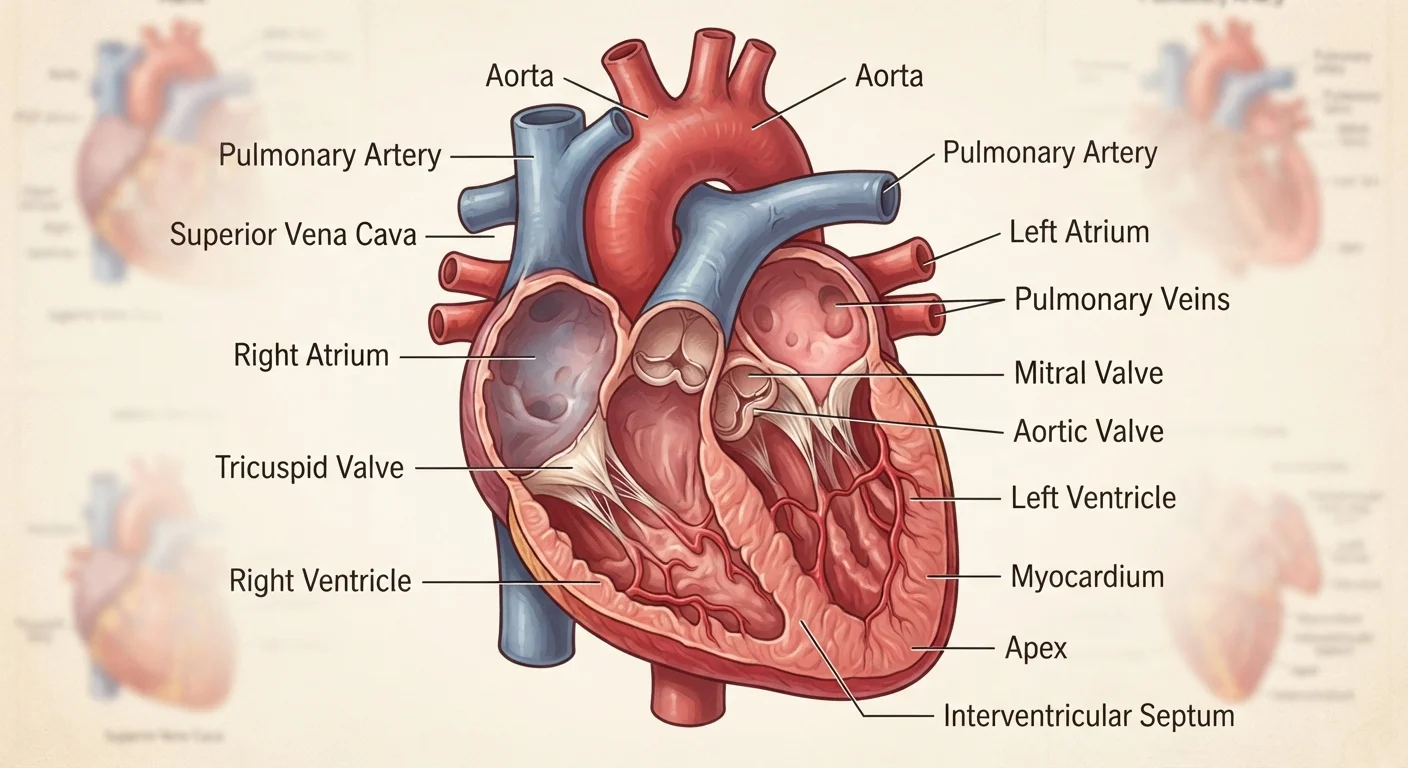
Photo: YetaWellness.com | Explore Trending Blogs editorial
Key Takeaways
- The heart muscle thickens slightly with age, which alters how efficiently it fills and pumps blood.
- Arterial stiffness increases over time, raising systolic blood pressure even in otherwise healthy adults.
- Maximum heart rate declines with age, reducing cardiovascular reserve during intense exertion.
- Regular aerobic exercise is one of the most evidence-supported ways to slow cardiovascular aging.
- Age-related cardiovascular changes are normal — but they overlap with risk factors that warrant medical attention.
The Aging Heart: Structural Shifts Over Time
The heart does not simply slow down as it ages — it changes shape, composition, and behavior in measurable ways. One of the most consistent findings in cardiac aging research is a modest thickening of the left ventricular wall, the heart's main pumping chamber. This thickening — known as left ventricular hypertrophy when pathological, but occurring at subclinical levels in normal aging — means the heart muscle becomes slightly stiffer and less compliant.
As a result, the filling phase of the cardiac cycle (called diastole) becomes less efficient. The heart takes longer to relax between beats, which can reduce the volume of blood it accepts before each pump. This is sometimes referred to as diastolic dysfunction, and it becomes increasingly common in adults over 60, even those without diagnosed heart disease.
The number of pacemaker cells in the heart's natural electrical system also declines with age, which contributes to a reduced maximum heart rate. A widely referenced approximation is that maximum heart rate decreases by roughly one beat per minute per year of age — though this is an average, and individual variation is substantial.
Arterial Stiffness and Blood Pressure
Perhaps the most consequential cardiovascular change associated with aging is the progressive stiffening of large arteries, particularly the aorta. Healthy arteries have an elastic quality — they expand as blood is ejected from the heart and recoil to help propel it forward. This elasticity acts as a pressure buffer, smoothing out the pulse wave.
With age, the structural protein elastin degrades while collagen — a stiffer protein — accumulates in arterial walls. The result is vessels that are less able to absorb the mechanical stress of each heartbeat. This drives up systolic blood pressure (the top number) while sometimes leaving diastolic pressure unchanged or even slightly reduced, widening what is called pulse pressure.
Elevated pulse pressure is itself considered a cardiovascular risk marker. According to research published in major cardiology journals, arterial stiffness is an independent predictor of adverse cardiovascular events, beyond traditional risk factors like cholesterol. This is why systolic hypertension becomes more prevalent with age even in people who maintain a healthy lifestyle.
~10%
VO₂ max decline per decade after age 30
This rate applies to sedentary adults; regular aerobic exercise substantially reduces the decline, according to exercise physiology research.
~1 bpm/year
Approximate decline in maximum heart rate with age
This is a commonly cited population average; individual variability is significant and influenced by fitness level and genetics.
~70%
Prevalence of hypertension in adults over age 65
According to the American Heart Association's Heart Disease and Stroke Statistics, high blood pressure affects the large majority of older American adults.
Circulation, Cardiac Output, and Exercise Capacity
Cardiac output — the volume of blood the heart pumps per minute — is maintained reasonably well at rest even into advanced age. The body compensates for a slower, somewhat stiffer heart by other means. However, the picture changes substantially during physical exertion.
Maximum oxygen uptake, known as VO₂ max, declines roughly 10% per decade after age 30 in sedentary individuals. This reflects the combined effect of reduced maximum heart rate, lower stroke volume reserve, and changes in how muscles extract oxygen from blood. In practical terms, activities that were once comfortable may feel more demanding, and recovery after exertion takes longer.
Importantly, this decline is significantly attenuated in physically active adults. Research consistently shows that older adults who engage in regular aerobic exercise can have VO₂ max values comparable to those of sedentary individuals decades younger. This is one reason exercise is emphasized so strongly in healthy aging guidance.
For a broader look at how movement capacity evolves across life stages, see how activity needs shift across every age. These cardiovascular changes also connect to wider metabolic shifts discussed in how age changes the way your body burns energy.
What These Changes Mean for Daily Health
Understanding these physiological shifts matters because it frames what is normal versus what warrants evaluation. Gradual reductions in exercise tolerance, slightly higher resting blood pressure, or a longer warm-up period before feeling comfortable during activity are consistent with normal aging. Sudden or severe symptoms — chest discomfort, shortness of breath at rest, unexplained fatigue, or palpitations — are not.
Lifestyle factors remain the most modifiable influence on cardiovascular aging trajectory. Regular aerobic activity, a diet rich in vegetables, whole grains, and lean protein, not smoking, managing blood pressure, and maintaining a healthy body weight all have a well-established evidence base for preserving cardiovascular function across decades.
It's also worth noting that cardiovascular aging does not occur in isolation. The heart's workload is affected by changes in body composition (see how muscle and fat shift across the lifespan), and emerging research continues to explore connections between cardiovascular health and cognitive function (explored further in what happens to the brain as we age).
Adults managing chronic conditions or those over 65 should consult a qualified healthcare professional before significantly changing physical activity levels or interpreting cardiovascular symptoms. The goal is not to medicalize normal aging, but to ensure that genuine warning signs are not attributed to age alone.
This article is for general informational and educational purposes only and is not a substitute for professional medical advice, diagnosis, or treatment. Always consult a qualified healthcare provider with questions about your cardiovascular health or any medical condition.
Frequently Asked Questions
The content on this site is for informational purposes only and is not a substitute for professional advice. Always consult a qualified professional for guidance specific to your situation.