
What the Research Actually Says About Brain Training Apps

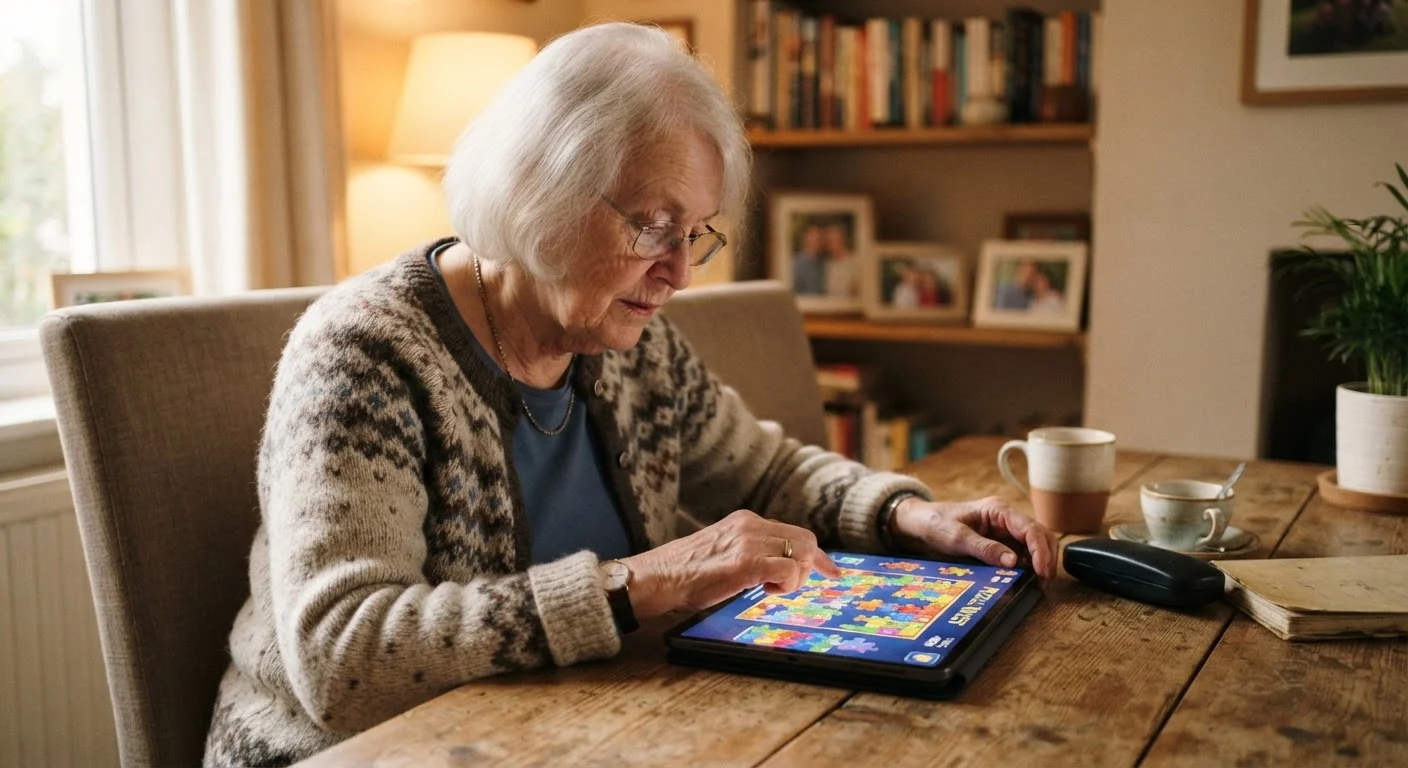
Photo: YetaWellness.com | Explore Trending Blogs editorial
Key Takeaways
- Brain training apps can improve performance on the specific tasks practiced, but evidence for broader cognitive benefits is limited.
- No app has been proven to prevent or delay dementia, despite some manufacturers' past claims.
- Physical exercise, social engagement, and sleep show stronger, more consistent links to cognitive health than digital games.
- Certain structured cognitive interventions show promise, but they differ significantly from commercial app offerings.
- Brain training apps are generally safe and may offer entertainment value, but should not replace evidence-backed brain health habits.
A Booming Industry, A Complicated Science
The global brain training market generates billions of dollars annually, fueled by the very real and understandable desire to keep minds sharp as we age. Apps promise to strengthen memory, processing speed, attention, and even protect against cognitive decline — all in a few minutes a day. The marketing is compelling. The science, however, tells a more complicated story.
A landmark 2014 open letter signed by over 70 leading neuroscientists and cognitive psychologists cautioned that claims made by brain training companies often outpaced the supporting evidence. That same year, the U.S. Federal Trade Commission took action against a prominent brain training company for deceptive advertising. Understanding what the research actually shows — and what it doesn't — helps you make smarter decisions about where to invest your cognitive health efforts.
Myth
Brain training apps can prevent or delay Alzheimer's disease and dementia.
Fact
No commercial brain training app has been scientifically proven to prevent, delay, or reduce the risk of dementia.
The FTC has taken action against app makers that made these claims without adequate evidence. While some structured cognitive interventions studied in clinical settings show modest benefits, these findings do not straightforwardly apply to consumer apps. Dementia risk is influenced by genetics, cardiovascular health, sleep, social connection, and other lifestyle factors — a complex picture no single app can address.
Myth
Getting better at a brain training game means your overall memory and thinking have improved.
Fact
Improved app scores almost always reflect practice on that specific task, not broader gains in real-world cognitive ability.
Cognitive scientists call the gap between task-specific improvement and real-world benefit the transfer problem. Decades of research consistently show that near transfer — getting better at similar tasks — can occur, but far transfer to unrelated cognitive domains is rare and often weak. Feeling sharper at a matching game does not reliably mean you'll remember names better or think more clearly under pressure.
Myth
More time on brain training apps equals greater cognitive benefit.
Fact
There is no established dose-response relationship between app usage time and meaningful cognitive improvement.
Research has not demonstrated that spending more hours on brain games produces proportionally greater cognitive gains. In some cases, excessive screen-based cognitive training may simply displace time that could be spent on activities — like exercise, sleep, or social engagement — with stronger evidence behind them. Quality and type of mental engagement appear more important than raw quantity of time spent on any single platform.
Myth
Brain training apps work the same way for everyone, regardless of age or baseline cognition.
Fact
Individual responses to cognitive training vary considerably based on age, baseline ability, motivation, and health status.
Research suggests that people with mild cognitive impairment may respond differently to training than those with typical cognition, and that baseline cognitive reserve plays a role in outcomes. Older adults as a group are not a monolith — factors like education, physical health, and prior mental engagement all influence how the brain responds to novel cognitive challenges. Personalized guidance from a healthcare provider is more appropriate than a one-size-fits-all app prescription.
Myth
Brain training apps are the best way to keep your mind sharp as you age.
Fact
Physical activity, social connection, quality sleep, and a healthy diet have stronger and more consistent evidence for supporting cognitive health.
A 2020 Lancet Commission report identified several modifiable risk factors for dementia — none of which was insufficient brain gaming. Regular aerobic exercise, managing cardiovascular risk factors, maintaining social ties, addressing hearing loss, and getting adequate sleep are among the interventions with the most robust support. Mindfulness practices also show emerging evidence for cognitive and psychological benefits. Brain training apps may complement these habits but are not a substitute for them.
What Brain Training Can and Cannot Do
The most consistent finding in the cognitive training literature is task specificity: when people practice a particular mental exercise repeatedly, they tend to get better at that exercise. This is unsurprising — it mirrors how any skill develops with practice. The critical question is whether those gains transfer to meaningful, real-world cognitive abilities like remembering appointments, following conversations, or making sound decisions. Here, the evidence is far weaker.
A large-scale study called ACTIVE (Advanced Cognitive Training for Independent and Vital Elderly), funded by the National Institute on Aging, trained older adults in memory, reasoning, and processing speed. Participants improved on the trained tasks and some gains persisted for years. However, transfer to everyday functional abilities was modest and varied by domain. This was a structured, researcher-administered program — not a casual app.
For everyday consumers, the gap between controlled clinical research and commercial app design is significant. Most apps are not built on the same protocols used in peer-reviewed trials. This doesn't make them harmful, but it does mean their specific benefit claims deserve healthy skepticism.
Contrast this with lifestyle factors where evidence is more consistent. Aerobic exercise and cognitive health share a well-documented relationship — regular physical activity supports brain structure and function in ways no app has replicated. Similarly, dietary patterns like the Mediterranean diet show meaningful associations with cognitive aging outcomes. Even quality sleep matters: poor sleep habits, including screen use before bed, can undermine the same cognitive functions brain training claims to build.
This article is for general informational purposes only and does not constitute medical advice. Consult a qualified healthcare professional for guidance on your individual cognitive health.
The content on this site is for informational purposes only and is not a substitute for professional advice. Always consult a qualified professional for guidance specific to your situation.