
Screens Before Bed: Separating the Real Effects from the Overhyped Ones

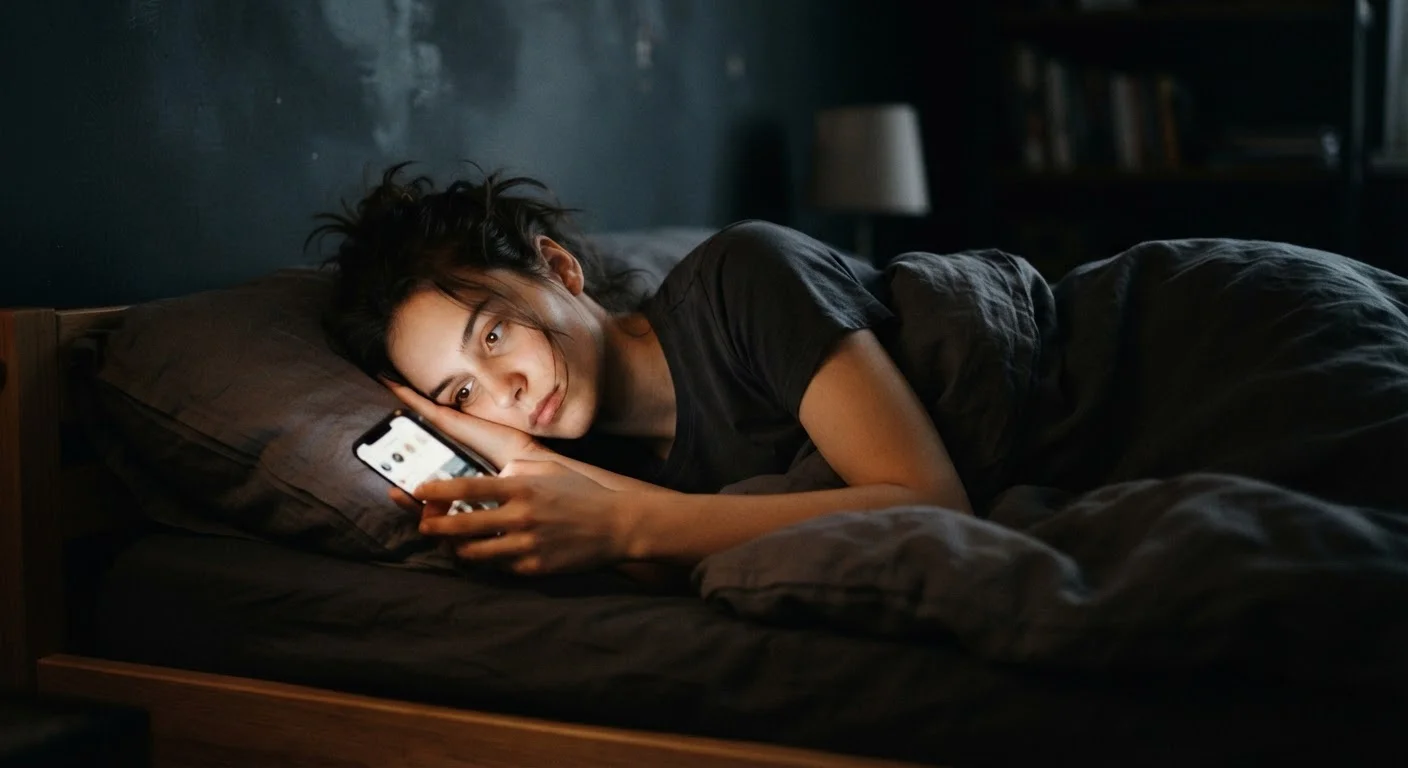
Photo: YetaWellness.com | Explore Trending Blogs editorial
Key Takeaways
- Blue light from screens does suppress melatonin, but its effect is often less dramatic than headlines suggest.
- Mental stimulation and emotional arousal from content type are underrated disruptors of sleep onset.
- Practical adjustments — like dimming screens and choosing calmer content — can meaningfully improve sleep quality.
- The timing, brightness, and content of screen use matters more than simply avoiding all devices.
Why Screen-Sleep Advice Gets Oversimplified
Few bedtime habits have attracted more alarm than reaching for a phone or tablet after dark. Public health messaging has largely zeroed in on blue light as the culprit, creating a tidy narrative that is only partially supported by the evidence. The real picture is messier — and more actionable. Understanding what the research actually shows lets you make smarter choices tonight rather than chasing an all-or-nothing rule that most people won't follow anyway.
For a broader look at how your sleeping environment shapes rest, see how bedroom conditions quietly affect sleep quality.
Myth
Blue light from your phone is the primary reason screens disrupt sleep.
Fact
Blue light is a real but modest contributor; screen brightness, content, and timing play equally important roles.
Blue-light wavelengths (roughly 450–495 nm) do suppress the hormone melatonin, which helps regulate the timing of sleep. However, controlled studies — including research published in Sleep Medicine Reviews — have found that the intensity of light exposure matters at least as much as its color. A dim screen in night mode may produce less melatonin disruption than a brightly lit bedroom lamp. The outsized focus on blue light has led many people to install filters and assume the problem is solved, while ignoring screen brightness, engaging content, and late-night emotional arousal that also delay sleep onset.
Myth
Night mode or blue-light glasses completely protect your sleep from screen use.
Fact
These tools reduce one component of the problem but do not eliminate the cognitive and emotional stimulation that screens produce.
Blue-light filtering apps and glasses shift the color spectrum of display light toward warmer tones, which can modestly reduce melatonin suppression. But a 2021 randomized trial published in Sleep found that blue-light blocking glasses did not significantly improve sleep outcomes compared to a control condition when overall screen use patterns remained unchanged. The content you consume — a gripping thriller, an argument in a comment thread, anxiety-inducing news — activates your sympathetic nervous system regardless of what color the light is. Treating blue-light tools as a complete solution misses the larger behavioral picture.
Myth
All screen use before bed is equally harmful to sleep.
Fact
Content type and emotional tone matter significantly — passive, low-arousal screen use is less disruptive than stimulating or stressful content.
Research on pre-sleep cognitive arousal consistently shows that mental engagement and emotional activation are strong predictors of delayed sleep onset and reduced sleep quality. Watching a slow-paced nature documentary or reading a light article produces different physiological responses than playing a fast-paced competitive game or scrolling through emotionally charged social media. Studies examining media use and sleep in adults have found that violent or suspenseful content before bed is associated with greater sleep disturbance than neutral content at the same brightness and duration. This distinction is practically important: it gives people a meaningful choice to make rather than a blanket prohibition.
Myth
You need to stop using screens at least two hours before bed for any benefit.
Fact
Even a 30-minute wind-down with dimmed, lower-stimulation screen use can meaningfully support sleep onset.
The two-hour recommendation appears frequently in popular sleep advice, but it is not a universal clinical standard. Sleep scientists emphasize that the goal is to reduce physiological arousal — elevated heart rate, heightened alertness, suppressed melatonin — enough to allow sleep onset. For many adults, dimming device brightness, switching to calmer content, and allowing a 30-to-60-minute buffer before a target sleep time achieves a meaningful improvement. Individual sensitivity to light and stimulation varies, so some people may benefit from a longer gap, while others function well with a shorter one. Starting with a manageable adjustment is more evidence-consistent — and more likely to stick — than mandating a two-hour device blackout.
What You Can Actually Do Tonight
Once you strip away the overhyped claims, a practical picture emerges. The evidence points most clearly toward three levers worth adjusting: screen brightness, content choice, and timing relative to your intended sleep window.
~30%
Adults reporting screens in bed nightly
National Sleep Foundation surveys have consistently found that roughly a third of American adults use a phone or tablet in bed immediately before attempting sleep.
~50%
Melatonin suppression from bright screen exposure
Research has shown that bright screen light viewed close to the face can suppress melatonin production by up to 50%, with the effect strongly modulated by luminance level.
- Dim your screen and enable a warmer color profile — built-in night modes shift display color temperature and reduce overall luminance. Research suggests lower screen brightness has a meaningful impact on melatonin suppression independent of color wavelength.
- Choose lower-arousal content in the final hour — swapping high-tension shows, heated social media feeds, or stressful news for calmer video, audiobooks, or casual reading reduces cognitive and emotional activation before sleep.
- Create a soft boundary, not a hard ban — moving screen use to at least 30 minutes before your target sleep time gives your nervous system space to transition toward rest. A rigid no-screens rule is rarely sustainable; a flexible buffer often is.
If you want a structured framework for winding down, sleep researchers' recommended evening routines offer evidence-informed habits built around the same principles. You can also work through a practical pre-sleep checklist to audit your current habits room by room.
It's also worth recognizing that screens don't act alone. Temperature, noise, and ambient light in your bedroom all interact with the effects described here — and research on evening light exposure shows how even non-screen sources of artificial light shift your body clock. If you've tried adjusting your device habits and still struggle to wind down, common reasons your wind-down routine may not be working is worth exploring.
This article is for informational purposes only and is not a substitute for personalized medical advice. If you have persistent sleep difficulties, consult a qualified healthcare professional.
The content on this site is for informational purposes only and is not a substitute for professional advice. Always consult a qualified professional for guidance specific to your situation.