
Evening Light Exposure and Sleep Quality: What the Research Shows

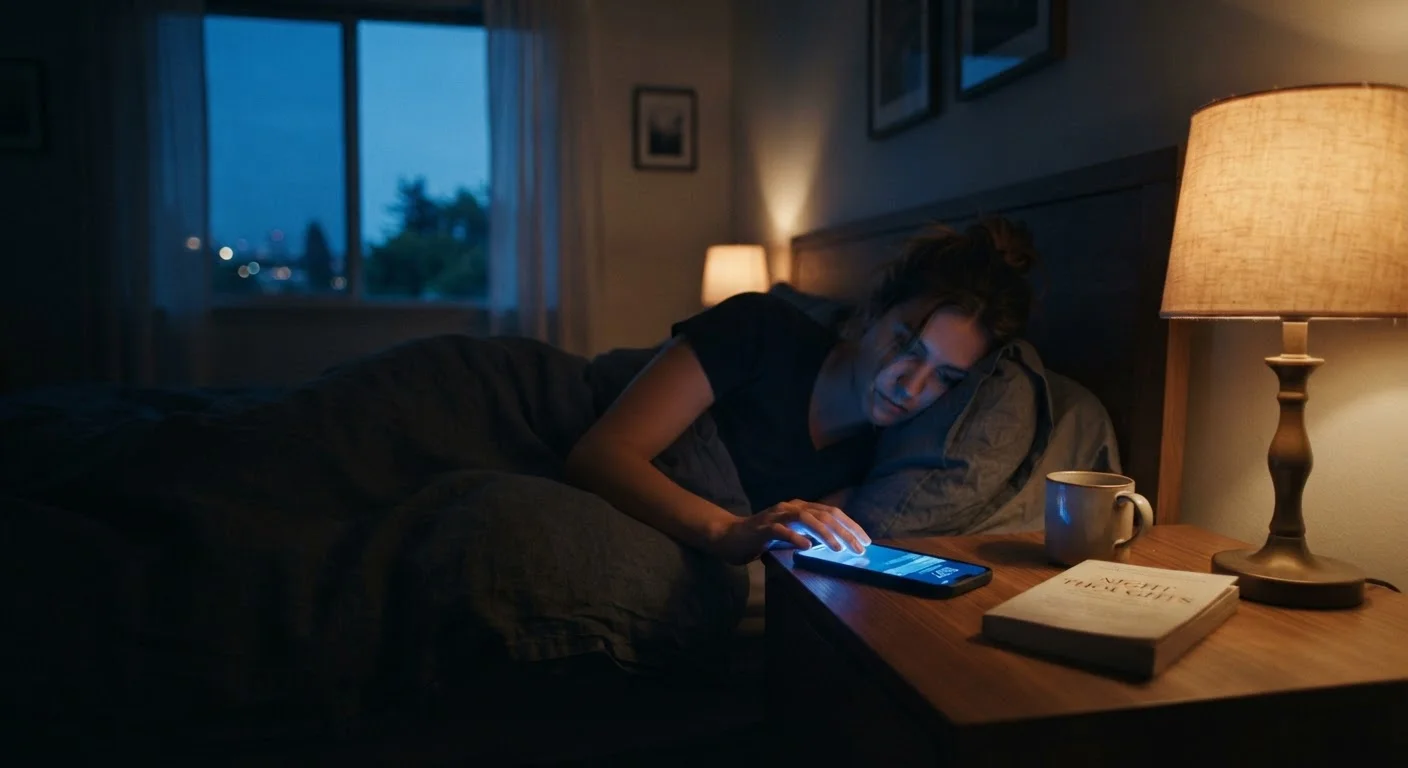
Photo: YetaWellness.com | Explore Trending Blogs editorial
Key Takeaways
- Blue-wavelength light is the most potent suppressor of melatonin production in the evening hours.
- Even moderate indoor lighting at night can delay melatonin onset and shift sleep timing later.
- Dimming lights and shifting to warmer color temperatures in the 1–2 hours before bed supports natural sleep onset.
- Screen-based blue light exposure is real, but overall room brightness also plays a significant role.
- Individual sensitivity to evening light varies, meaning some people are more affected than others.
How Your Brain Reads Light as a Time Signal
Your circadian system — the roughly 24-hour internal clock governing sleep, alertness, hormone release, and metabolism — depends on light as its primary calibration signal. A specialized subset of retinal cells, distinct from the rod and cone cells responsible for vision, detect ambient light intensity and wavelength. These cells send signals directly to the suprachiasmatic nucleus (SCN) in the hypothalamus, the brain's master pacemaker.
During the day, this pathway keeps the clock synchronized with the solar cycle. In the evening, as natural light fades, the SCN permits the pineal gland to release melatonin — a hormone that doesn't cause sleep directly but signals to the body that night has arrived. Artificial light after dark disrupts this handoff. The retinal cells interpret indoor lighting as continued daytime, suppressing melatonin and keeping the body in an alert state longer than biology intended.
This matters for the structure of your nightly sleep cycles: a delayed melatonin signal compresses total sleep time when morning obligations remain fixed, and can reduce the proportion of deeper, restorative sleep stages.
Why Blue Light Gets the Most Attention — and What's Oversimplified
The retinal cells most responsible for circadian signaling are maximally sensitive to short-wavelength visible light in the blue range, approximately 460–480 nanometers. LED screens, energy-efficient overhead lighting, and many modern light fixtures emit substantial amounts of light in this range, making them particularly effective at suppressing melatonin even at relatively low intensities.
Research published in peer-reviewed sleep journals has consistently shown that blue-enriched light exposure in the evening delays melatonin onset compared to dimmer or warmer light conditions. However, the emphasis on blue light alone can be misleading. Bright light of any color temperature — including warm-white incandescent-style bulbs at high intensity — also suppresses melatonin, though less potently. Overall illuminance (measured in lux) is a significant factor alongside wavelength.
Blue Light Is One Factor Among Several
As for screens specifically, the evidence on screen use before bed suggests that mental stimulation and emotional arousal from content also contribute to delayed sleep onset — not only blue light emission. The full picture is more nuanced than the blue light narrative alone conveys.
What Research Says About Practical Light Adjustments
Several controlled studies have examined whether reducing evening light intensity or shifting to warmer light sources improves sleep outcomes. Findings across this body of research point in a consistent direction: lower light levels in the one-to-two hours before bed are associated with earlier melatonin onset, shorter time to fall asleep, and self-reported improvements in sleep quality.
Dimmer switches, low-wattage lamps, and fixtures positioned below eye level all reduce the lux level reaching the retina compared to overhead bright lighting. Warm-toned bulbs (typically described as 2700K or lower on the color temperature scale) provide less circadian-disrupting light than cool-white or daylight-balanced options (5000K–6500K).
These adjustments fit naturally into a broader evidence-informed wind-down routine that signals the nervous system to transition toward sleep. The goal is not total darkness — which is impractical — but a meaningful reduction in bright, blue-enriched light during the biological sensitive window before bed.
For those working to strengthen their overall sleep timing, maintaining a consistent sleep schedule compounds the benefit: a stable circadian rhythm is less vulnerable to disruption from occasional evening light exposure.
Morning Light as the Other Half of the Equation
Evening light management is only one side of circadian regulation. Bright light exposure in the morning — ideally natural outdoor light within the first hour after waking — anchors the circadian clock to the appropriate phase and helps ensure melatonin rises at the right time the following evening.
Research in circadian biology suggests that morning light and evening darkness work together as a pair: robust daytime light exposure makes the system more resilient and helps offset modest evening disruptions. People who get minimal daylight during the day and face significant evening light exposure face the most pronounced circadian disruption.
Physical activity timing also interacts with circadian light exposure. When and how you exercise can amplify or partially counteract light-related circadian shifts, adding another variable worth considering for those optimizing their sleep environment.
This article is for general informational purposes only and does not constitute medical advice. If you have concerns about your sleep health, please consult a qualified healthcare professional.
Frequently Asked Questions
The content on this site is for informational purposes only and is not a substitute for professional advice. Always consult a qualified professional for guidance specific to your situation.