
Your Bedroom Environment Is Quietly Sabotaging Your Sleep

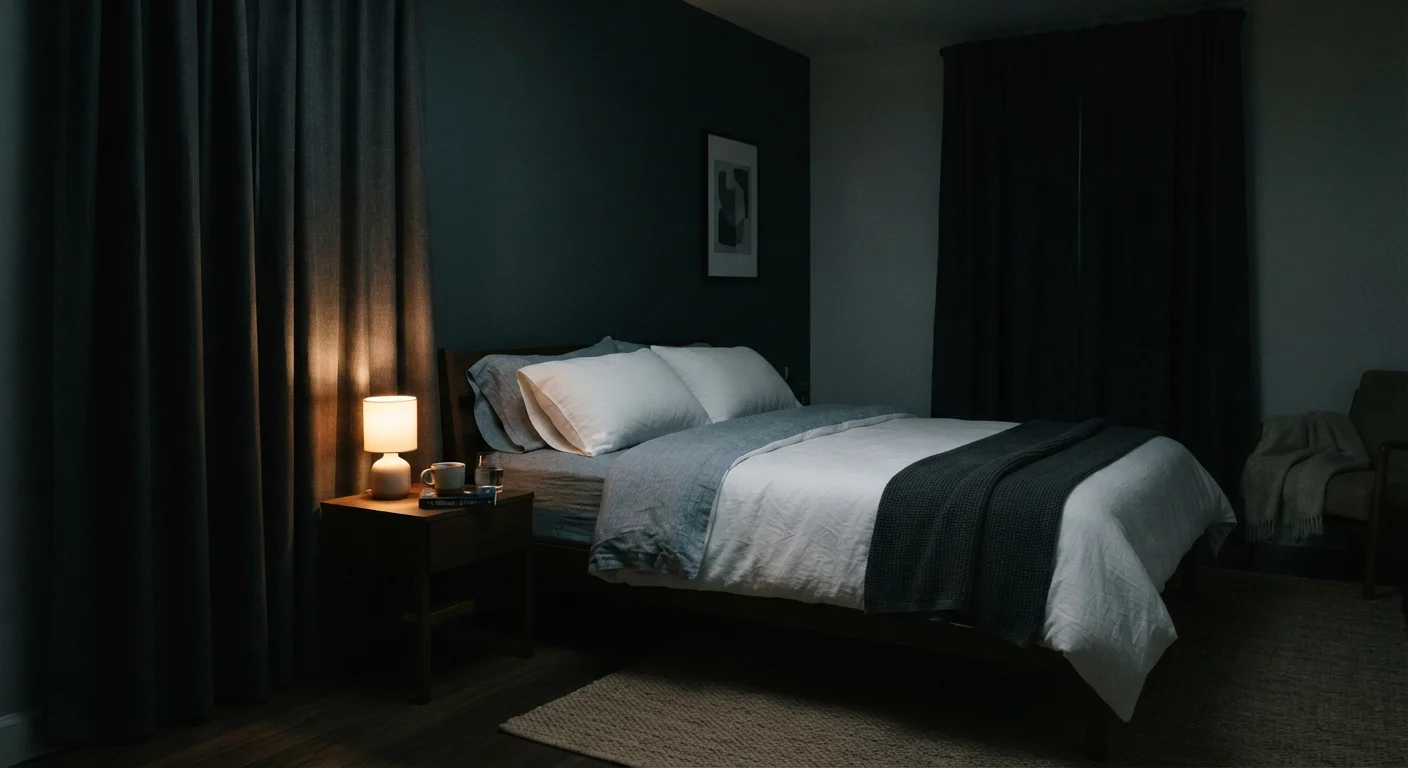
Photo: YetaWellness.com | Explore Trending Blogs editorial
Key Takeaways
- A bedroom temperature between 65–68°F supports the core body temperature drop needed to initiate sleep.
- Even low-level light exposure during sleep can suppress melatonin and reduce sleep quality.
- Intermittent noise — not just loudness — is especially disruptive to deep and REM sleep stages.
- Most environmental sleep saboteurs are fixable with low-cost, immediate adjustments.
- Addressing your sleep environment is a foundational step in any sleep hygiene strategy.
The Three Environmental Factors That Matter Most
Most people troubleshoot their sleep by focusing on habits — caffeine timing, screen use, bedtime routines. But before any of that can work, the room itself has to cooperate. Temperature, light, and noise are the three environmental variables with the strongest research backing, and all three can be disrupting your sleep right now without any obvious symptoms.
Understanding how temperature affects your body clock clarifies why this matters: your brain initiates sleep partly in response to a drop in core body temperature. A bedroom that stays too warm actively works against that signal. Research consistently identifies a cooler sleeping environment — roughly 65–68°F for most adults — as conducive to both sleep onset and sustained deep sleep.
Light is the second major variable. Your circadian system is exquisitely sensitive to light, and that sensitivity doesn't switch off at bedtime. Streetlight seeping under curtains, a charging indicator LED, or a hallway light visible under the door can all suppress melatonin and trigger microarousals — brief, partial wakings that fracture sleep architecture without rousing you fully.
Noise operates differently. It's not raw volume but sudden change in sound level that the sleeping brain treats as a threat signal. A steady ambient hum is far less disruptive than intermittent sounds — a passing car, a phone notification, a partner shifting — even when those sounds are quieter in absolute terms.
Start With One Variable Tonight
Practical Adjustments You Can Make Tonight
None of the most effective bedroom fixes require major expense or renovation. Here's where to start:
- Temperature: Set your thermostat to the lower end of your comfort range before bed, or run a fan directed away from you to move air without cooling directly. Light, breathable bedding also helps your body regulate temperature through the night.
- Light: Blackout curtains make the largest single difference for most people. If that's not an option tonight, a well-fitted sleep mask costs very little and is immediately effective. Eliminate or cover any indicator lights from electronics in the room.
- Noise: A box fan, a dedicated white noise machine, or a free app running consistent brown or pink noise can mask intermittent disruptions. Earplugs are an effective low-tech alternative — especially useful for people sharing a home with varied schedules.
These adjustments pair directly with the broader habits covered in a foundational sleep hygiene overview. Environmental fixes work best when combined with consistent routines. If you want a systematic way to audit all of this, a room-by-room pre-sleep checklist can help you work through it methodically.
What Most People Overlook: Air Quality and Sensory Clutter
Temperature, light, and noise get most of the attention — but two additional environmental factors are frequently underestimated.
Air quality affects sleep more than most people realize. Allergens in bedding, dust on surfaces, and limited ventilation in a closed room can all increase congestion, elevate nighttime breathing effort, and contribute to fragmented sleep. Washing bedding regularly, keeping pets out of the bedroom if you have allergies, and cracking a window or running a HEPA air purifier can address these issues without medication.
Sensory clutter — visible disorder, stimulating décor, screens with standby displays — keeps some people in a state of low-level arousal that resists sleep. Research on cognitive arousal and sleep onset suggests that the brain's threat-monitoring system remains partially active during light sleep stages. A visually calm, purpose-defined sleep space supports the mental downshift that precedes deep sleep.
It's also worth noting that your sleep environment interacts with your behavior in it. If you regularly use your bed for work, eating, or prolonged screen time, your brain builds an association between that space and wakefulness. Certain everyday habits quietly undermine sleep architecture in exactly this way — and environmental cues are part of the mechanism. Reserving the bedroom for sleep (and sex) is one of the most consistent recommendations in behavioral sleep medicine.
This article is for general informational purposes only and does not constitute medical advice. If you experience persistent sleep difficulties, consult a qualified healthcare provider.
Frequently Asked Questions
The content on this site is for informational purposes only and is not a substitute for professional advice. Always consult a qualified professional for guidance specific to your situation.