
Temperature, Your Body Clock, and the Science of Falling Asleep Faster

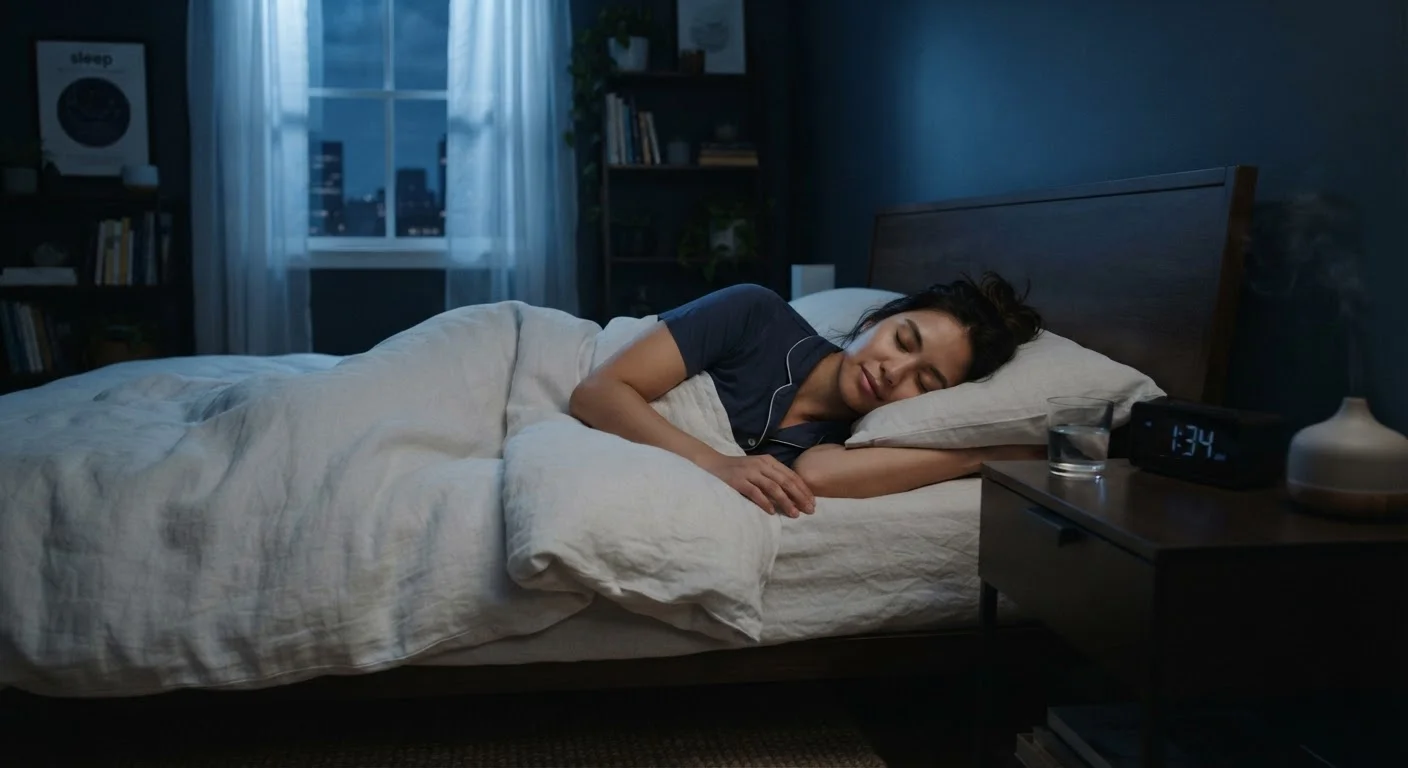
Photo: YetaWellness.com | Explore Trending Blogs editorial
Key Takeaways
- Core body temperature drops by approximately 1–2°F in the lead-up to sleep each night.
- This temperature decline is controlled by your circadian rhythm, not just your environment.
- A cooler bedroom (roughly 65–68°F for most adults) supports the body's natural cooling process.
- Warming your extremities — such as through a warm bath — can paradoxically speed up core cooling.
- Disrupting your body's thermal rhythm with heat or irregular schedules can delay sleep onset.
Why Your Body Cools Down Before Sleep
Most people think of sleep as something the brain simply switches on when you're tired enough. In reality, the process is more precisely choreographed — and temperature is one of its lead players.
Beginning in the early evening, your core body temperature starts a gradual descent that continues through the first half of the night. This is not a side effect of lying still; it's an active biological event driven by your circadian rhythm. The hypothalamus, which acts as the body's internal thermostat, signals blood vessels near the skin to dilate. Heat moves from the body's core outward, releasing through the hands, feet, and face.
This core cooling is tightly coupled with the rise in melatonin — the hormone commonly associated with sleep onset. The two processes are coordinated signals that together prepare the brain and body for sleep. Understanding this mechanism helps explain why sleep isn't just about feeling tired: your physiology is actively engineering the right internal conditions.
See how room temperature supports or disrupts this process for a deeper look at environmental factors.
How Your Sleep Environment Either Helps or Fights This Process
Your bedroom temperature doesn't control your circadian rhythm — but it can significantly ease or impede the cooling your body is already trying to accomplish.
When a room is too warm, heat transfer from the core to the environment becomes less efficient. Your body has to work harder to shed warmth, which can delay sleep onset and fragment the sleep you do get. Research consistently associates warmer sleeping environments with lighter sleep stages and more frequent awakenings.
A cooler environment, by contrast, creates a favorable gradient that allows your skin to offload heat more readily. Most sleep researchers reference a range of roughly 65–68°F (18–20°C) as a useful starting point for adults, though individual comfort matters too.
1–2°F
Core body temperature drop before sleep onset
Sleep researchers estimate this nightly decline is a consistent physiological marker of sleep readiness in healthy adults.
~10 min
Faster sleep onset with pre-sleep bathing
A meta-analysis published in Sleep Medicine Reviews found that warm water bathing 1–2 hours before bed improved sleep onset speed by approximately 10 minutes on average.
65–68°F
Recommended bedroom temperature range for sleep
This range is frequently cited by sleep researchers and clinical guidelines as supportive of core thermoregulation during sleep for most adults.
One counterintuitive but well-supported finding: warming your extremities before bed can actually accelerate core cooling. A warm bath or foot soak draws blood to the surface, where heat dissipates quickly — leaving your core cooler and more ready for sleep. This is one of the more reliable behavioral interventions studied in sleep research.
For a structured approach to your pre-sleep environment, a room-by-room sleep environment checklist can help you audit what's working and what isn't.
The Circadian Connection: Timing Matters As Much As Temperature
The thermal rhythm of sleep doesn't operate in isolation. It is one output of your broader circadian clock — the roughly 24-hour internal system that governs alertness, hormone secretion, digestion, and dozens of other functions.
This is why irregular sleep timing can undermine even a perfectly cool bedroom. When your sleep schedule shifts — staying up late on weekends, for instance — your circadian rhythm and its associated temperature cycle shift too, gradually and imprecisely. The result is a mismatch between when you're trying to sleep and when your body has cooled sufficiently to support it.
Consistent sleep timing reinforces your body clock, which in turn makes the nightly temperature drop more predictable and reliable. Regularity and environment work together — neither fully compensates for the absence of the other.
If you're building better sleep habits, evidence-informed evening routines can help align behavioral cues with your body's thermal and hormonal rhythms. The goal is to work with your biology rather than against it.
This article is for general informational and educational purposes only and does not constitute medical advice. If you have concerns about your sleep health, consult a qualified healthcare professional.
Frequently Asked Questions
The content on this site is for informational purposes only and is not a substitute for professional advice. Always consult a qualified professional for guidance specific to your situation.