
Temperature's Outsized Role in Falling and Staying Asleep

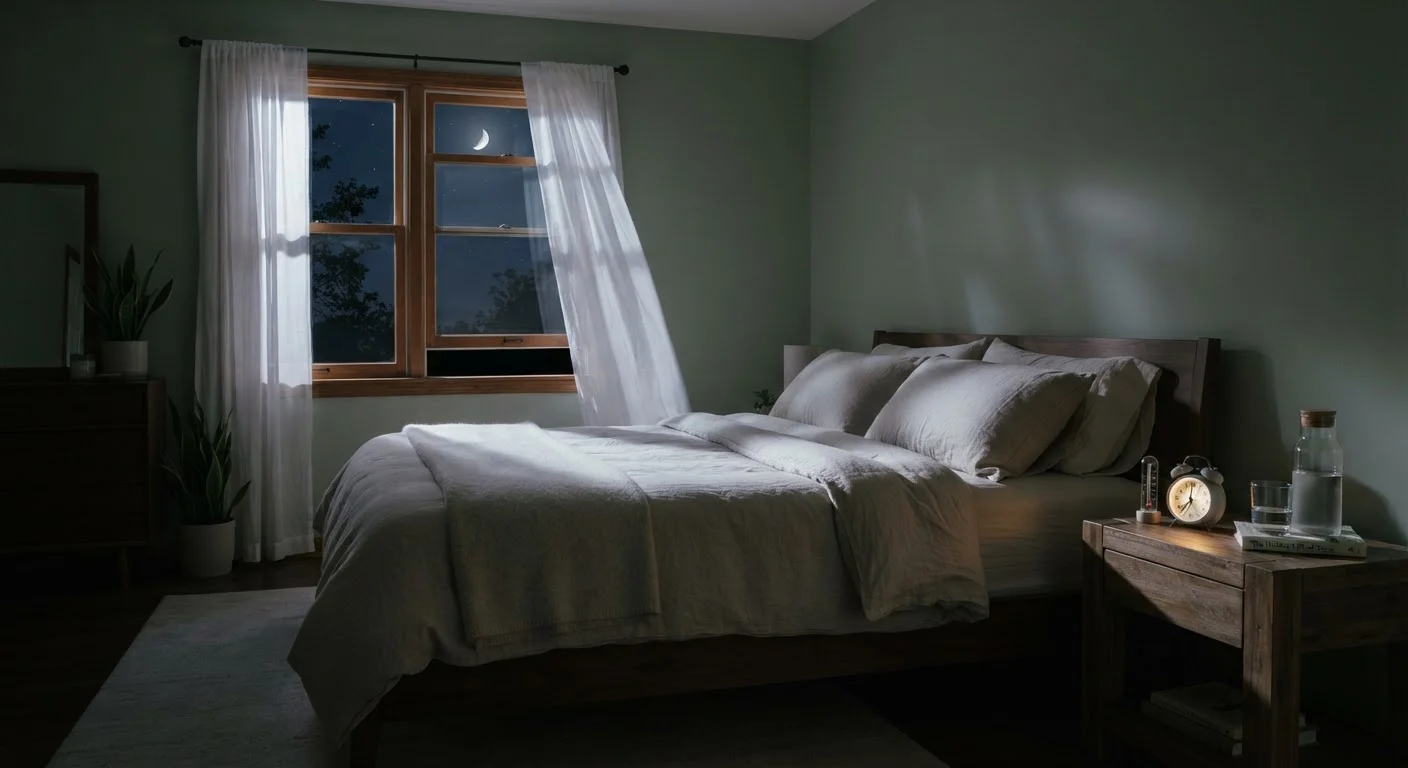
Photo: YetaWellness.com | Explore Trending Blogs editorial
Key Takeaways
- Your core body temperature naturally drops as you approach sleep — this is a biological requirement, not just a comfort preference.
- Room temperatures between roughly 65°F and 68°F tend to align best with the body's nighttime cooling process.
- An overly warm room can suppress slow-wave (deep) sleep and increase nighttime waking.
- Simple adjustments like bedding choice and a warm pre-bed bath can meaningfully support your body's thermal preparation for sleep.
- Individual temperature needs vary — age, hormonal status, and health conditions all influence what feels optimal.
The Biology Behind the Big Chill
Sleep isn't simply the absence of wakefulness — it's an active biological state your body prepares for with measurable physical changes. One of the most consistent and important is a drop in core body temperature. Starting roughly two hours before your typical sleep time, your circadian system begins shifting heat from your body's core toward its periphery — your hands and feet warm slightly as your trunk cools.
This isn't incidental. The temperature drop is a sleep-triggering signal. When the process works efficiently, you feel sleepy, settle into bed, and transition through the distinct stages of a sleep cycle without much disruption. When the environment fights that cooling — say, a room that holds summer heat or a thermostat set too high — your body has to work harder to achieve the same result, and often never fully does.
Understanding this mechanism reframes room temperature from a preference into a physiological input. For a deeper look at the circadian science behind this process, see our companion article on body temperature and the sleep clock.
What the Research Suggests About Ideal Temperatures
Sleep research consistently points to cooler bedroom environments as more conducive to quality rest. While individual variation exists, a commonly cited range is approximately 65°F to 68°F (18°C to 20°C). Temperatures outside this window — particularly warmer ones — have been associated with reduced time in slow-wave (deep) sleep, more frequent nighttime awakenings, and lower overall sleep efficiency.
~1–2°F
Core temperature drop that precedes sleep onset
Sleep research consistently documents this modest but biologically significant decrease in core body temperature as a prerequisite for normal sleep initiation.
65–68°F
Bedroom temperature range linked to better sleep
This range is frequently cited in sleep science literature as aligning most closely with the body's thermoregulatory needs during the sleep period.
~10 min
Faster sleep onset with optimal pre-bed warm bath timing
Research published in peer-reviewed journals has found that a warm bath taken 1–2 hours before bed can reduce the time it takes to fall asleep by approximately 10 minutes on average.
Slow-wave sleep, sometimes called deep sleep or N3, is the stage most associated with physical recovery and memory consolidation. Thermal disruption disproportionately affects this stage, which is one reason a hot night often leaves you feeling unrested even after a full eight hours in bed.
It's worth noting that "ideal" temperature is genuinely individual. Hormonal fluctuations, body composition, age-related changes in thermoregulatory efficiency, and certain medical conditions can all shift what feels right. Older adults, for example, may have a narrower thermoregulatory range — a pattern explored further in our article on how sleep architecture changes with aging.
Actionable Adjustments You Can Make Tonight
You don't need a smart thermostat or expensive equipment to work with your body's thermal needs. Several straightforward strategies can meaningfully improve your sleep environment:
- Lower the thermostat. If your home allows it, setting the bedroom to the mid-60s Fahrenheit before bed is the most direct lever you have. Even dropping from 72°F to 67°F can produce a noticeable difference in sleep onset and continuity.
- Choose breathable bedding. Heavy synthetic materials trap heat against your body. Cotton, linen, and moisture-wicking fabrics allow more airflow and support skin-level temperature regulation.
- Take a warm bath or shower 1–2 hours before bed. This counterintuitive approach works because the post-bath cooling effect — as your body rapidly loses the heat absorbed during bathing — mirrors and amplifies the natural temperature drop that precedes sleep onset.
- Use a fan strategically. A fan provides both modest cooling and white noise, two separate sleep-supportive inputs. Direct airflow can assist with heat dissipation without requiring air conditioning.
- Keep feet uncovered if you're warm. Because the feet and hands are key radiators of body heat, leaving them outside the covers can accelerate core cooling.
If your wind-down routine isn't producing the relaxation you expect, temperature may be one overlooked factor among several — our article on why wind-down routines sometimes fail addresses common compounding issues.
Start With One Change Tonight
When Temperature Adjustments Aren't Enough
For some people, persistent sleep difficulties related to temperature aren't primarily an environmental problem. Night sweats, for example, can stem from hormonal shifts, medications, infection, or other underlying health conditions. If you consistently wake drenched in sweat regardless of room temperature, or if poor sleep quality persists despite environmental adjustments, those symptoms deserve a conversation with a healthcare provider rather than further self-troubleshooting.
Similarly, if you share a sleep space with a partner who has substantially different thermal preferences, this is a common and genuinely tricky challenge. Dual-zone bedding solutions, negotiated thermostat compromises, and lightweight blanket layering are all practical approaches — but the key point is that both partners' sleep quality matters and no single universal setting will suit everyone.
Temperature is one powerful piece of the broader bedroom environment puzzle. Addressing it alongside light management, noise control, and a consistent sleep schedule gives you the strongest possible foundation for restorative rest.
This article is for informational purposes only and is not a substitute for professional medical advice, diagnosis, or treatment. If you have concerns about sleep disorders, night sweats, or other sleep-related symptoms, consult a qualified healthcare professional.
Frequently Asked Questions
The content on this site is for informational purposes only and is not a substitute for professional advice. Always consult a qualified professional for guidance specific to your situation.