
Sleep Hygiene From the Ground Up

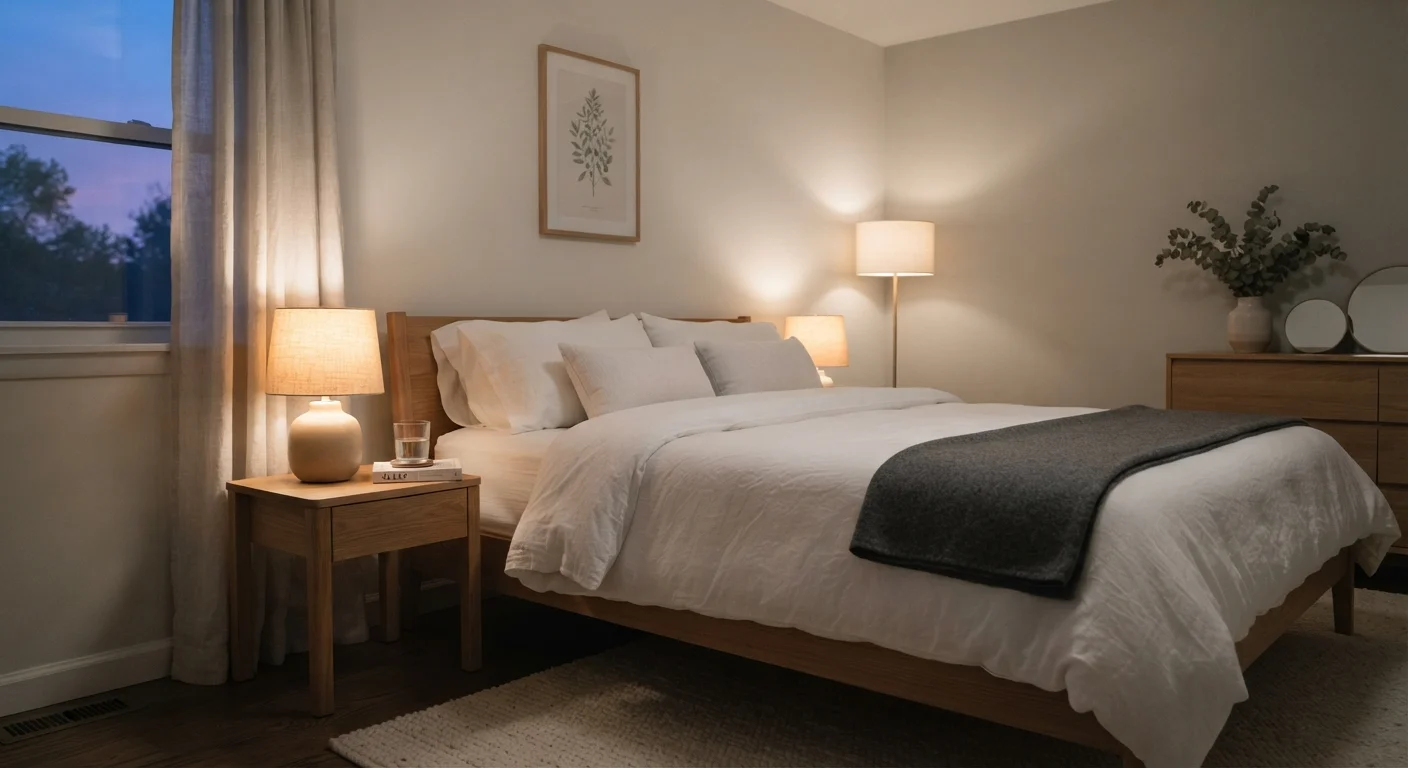
Photo: YetaWellness.com | Explore Trending Blogs editorial
Key Takeaways
- Sleep hygiene refers to the daily behaviors and environmental conditions that support consistent, quality rest.
- Your body's internal clock (circadian rhythm) responds directly to light, timing, and temperature cues you control.
- Consistency in wake time is the single most powerful anchor for your sleep-wake cycle.
- Caffeine, alcohol, and screen light all interfere with sleep onset and depth in measurable ways.
- Poor sleep hygiene alone rarely explains chronic insomnia — a clinician can help identify deeper causes.
What Is Sleep Hygiene?
Sleep hygiene is a practical term for the everyday habits and environmental conditions that support consistent, quality sleep. It has nothing to do with cleanliness in the literal sense — instead, it describes the behavioral routines that allow your brain and body to move through restorative rest each night.
The concept emerged from clinical sleep research and is recognized by major health organizations as a foundational component of sleep health. If you are new to it, think of sleep hygiene as a collection of low-effort, high-impact adjustments — many requiring no equipment and no cost. For a broader look at how rest actually works at a biological level, this beginner's introduction to sleep science provides useful context.
Circadian rhythm
Your body's internal 24-hour clock that regulates the timing of sleep, wakefulness, hormone release, and many other functions. It is strongly influenced by light and darkness.
Sleep pressure
The biological drive to sleep that builds gradually while you are awake, driven by the accumulation of a chemical called adenosine. It dissipates during sleep.
Melatonin
A hormone produced by the brain's pineal gland that signals nighttime to the body and helps initiate sleep. Its release is suppressed by bright and blue-spectrum light.
Sleep latency
The amount of time it takes you to fall asleep after getting into bed. Good sleep hygiene generally shortens this window.
REM sleep
Rapid Eye Movement sleep — a distinct stage of sleep associated with dreaming, memory consolidation, and emotional processing. It occurs in longer blocks in the second half of the night.
The Science Behind the Habits
Every sleep hygiene recommendation traces back to two biological systems: the circadian rhythm and sleep pressure (also called homeostatic sleep drive). Your circadian rhythm is a roughly 24-hour internal clock driven primarily by light exposure. Sleep pressure is the gradual buildup of adenosine — a chemical byproduct of wakefulness — that makes you feel increasingly drowsy throughout the day.
When your daily habits align with these two systems, falling asleep and staying asleep becomes physiologically easier. When they conflict — irregular schedules, bright light at night, long daytime naps — the systems lose synchrony and sleep quality degrades. To understand how your brain actually cycles through sleep stages each night, see the architecture of a night's sleep.
Core Habits to Start Tonight
The following habits are supported by strong clinical evidence and are actionable immediately:
- Fix your wake time first. Waking at the same time every day — including weekends — is the most effective single anchor for your circadian rhythm. A consistent wake time regulates everything downstream, including when you feel genuinely sleepy at night.
- Limit caffeine after early afternoon. Caffeine blocks adenosine receptors for six or more hours in most adults, meaning an afternoon coffee can still be disrupting sleep onset at midnight. Individual sensitivity varies, but cutting off caffeine by early-to-mid afternoon is a reasonable default.
- Reduce bright and blue-spectrum light in the hour before bed. Dim your home lighting, switch devices to night mode, or simply put screens away. This allows melatonin production to rise on schedule.
- Reserve the bed for sleep. Avoid working, watching video, or scrolling in bed. This preserves a strong mental association between the bed and sleep onset.
- Wind down deliberately. A short, calming pre-sleep routine — reading, stretching, or quiet conversation — signals the nervous system that the active part of the day is over.
Some common behaviors quietly erode these efforts without obvious warning signs. Habits that undermine sleep architecture explores these in detail.
Start With Just One Change
Your Sleep Environment Matters
Your bedroom conditions directly influence how quickly you fall asleep and how deeply you stay asleep. Research points to three environmental factors with the strongest impact:
- Temperature
- Core body temperature naturally drops at sleep onset. A cooler room — generally described as between 65–68°F for most adults — supports this process. Exact comfort varies by individual.
- Light
- Even low-level light exposure during sleep can affect sleep depth and circadian timing. Blackout curtains or a sleep mask are simple, effective interventions.
- Sound
- Intermittent noise, particularly voices and traffic, is more disruptive than steady ambient sound. A white noise machine or earplugs can reduce fragmentation caused by unpredictable noise.
For a room-by-room audit of your setup and evening habits, the pre-sleep checklist offers a structured walkthrough.
When Good Habits Aren't Enough
Sleep hygiene improvements help most people who have mild, situational sleep difficulties. However, they are not a treatment for sleep disorders. Conditions such as obstructive sleep apnea, restless legs syndrome, or chronic insomnia disorder have distinct biological or psychological mechanisms that behavioral habits alone cannot address.
If you have applied consistent sleep hygiene practices for several weeks without meaningful improvement — or if your sleep problems are accompanied by loud snoring, gasping, leg discomfort, or significant daytime impairment — consult a qualified healthcare professional. A clinician can evaluate whether an underlying condition is present and recommend appropriate next steps.
For readers ready to build a more comprehensive, long-term approach, Building a Sleep Habit That Lasts covers circadian biology, stress management, and bedroom design in a single end-to-end resource. Sleep health is also closely connected to broader daily prevention habits that support long-term wellbeing.
This article is for general informational purposes only and does not constitute medical advice. If you have concerns about your sleep or health, please consult a qualified healthcare professional.
Frequently Asked Questions
The content on this site is for informational purposes only and is not a substitute for professional advice. Always consult a qualified professional for guidance specific to your situation.