
Sleep Science

Habits That Quietly Undermine Your Sleep Architecture

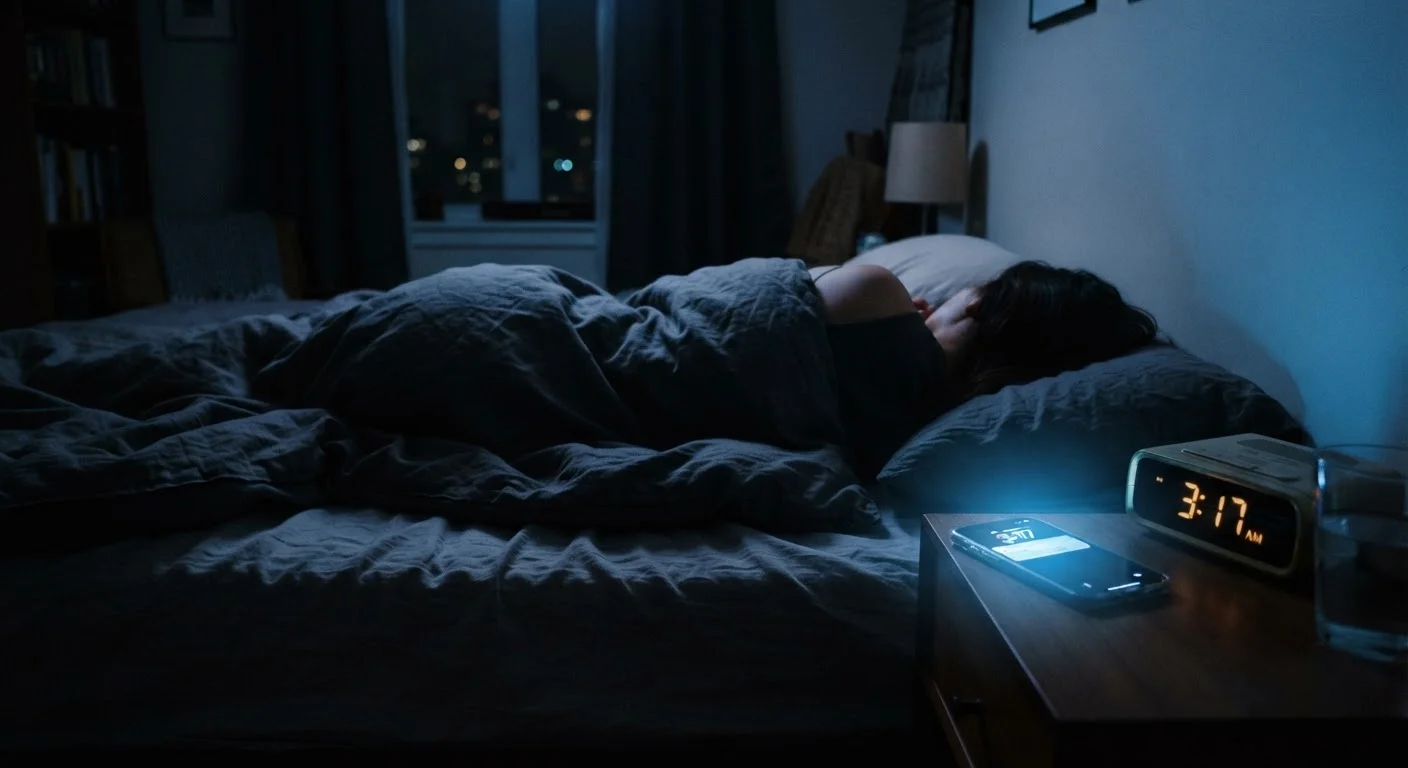
Habits That Quietly Undermine Your Sleep Architecture

Photo: YetaWellness.com | Explore Trending Blogs editorial

Some everyday choices erode sleep quality without causing obvious insomnia. Learn which behaviors fragment your sleep cycles and why they're easy to overlook.

Key Takeaways

  • Sleep architecture — the cycling pattern of light, deep, and REM sleep — can be disrupted without causing obvious insomnia.
  • Habits like variable bedtimes, alcohol use, and late-night screen exposure are common culprits that often go unrecognized.
  • Protecting consistent sleep timing and pre-sleep routines is one of the most evidence-backed ways to preserve sleep quality.
  • If sleep fragmentation persists despite behavioral changes, consult a healthcare provider to rule out underlying sleep disorders.

What Sleep Architecture Actually Means

Sleep is not a uniform state of unconsciousness. Each night, the brain cycles through distinct stages — light NREM sleep, slow-wave (deep) NREM sleep, and REM sleep — repeating roughly every 90 minutes. These cycles collectively make up what sleep researchers call sleep architecture: the structural blueprint of a night's rest.

Slow-wave sleep, concentrated in the first half of the night, is critical for physical restoration, immune function, and memory consolidation. REM sleep, more prevalent toward morning, underpins emotional regulation and complex memory processing. Disruptions to either stage — even brief ones you don't consciously register — can leave you feeling unrested despite adequate time in bed.

The problem is that many habits that quietly erode sleep architecture don't cause obvious insomnia. You still fall asleep. You still wake at your alarm. But the quality of those hours is compromised. Understanding the mechanics is the first step. For a comprehensive look at building durable sleep habits, this end-to-end guide to sustainable sleep covers the full picture.

The Habits Quietly Doing the Damage

1

Keeping an inconsistent sleep schedule on weekdays versus weekends.

Why it happens: Staying up later on weekends feels like a reward after a demanding week, and sleeping in seems like a chance to "catch up." Most people don't realize this shifts the body's internal clock — a phenomenon researchers call social jet lag.
How to avoid: Aim to wake within 60 minutes of your usual time even on days off. Gradual alignment — rather than abrupt changes — is the most sustainable approach. Consistent wake times anchor your circadian rhythm more reliably than consistent bedtimes alone.
2

Using alcohol in the evening as a relaxation or sleep-onset aid.

Why it happens: Alcohol's sedative effect at low doses genuinely feels like it accelerates sleep, making the association easy to form. The damage it causes to sleep architecture — particularly REM suppression — occurs silently while the person is unconscious.
How to avoid: If you drink, allow several hours between your last drink and bedtime, and be aware that even moderate amounts can affect sleep structure. Explore non-pharmacological wind-down strategies such as progressive muscle relaxation or light stretching as alternatives.
3

Exposing yourself to bright or blue-spectrum light within an hour of bedtime.

Why it happens: Scrolling through a phone or watching television feels passive and restful, so people don't register it as stimulating. In reality, short-wavelength light signals the suprachiasmatic nucleus — the brain's master clock — to delay melatonin release.
How to avoid: Dim overhead lighting and shift to warm-toned lamps in the hour before bed. If device use is unavoidable, night-mode settings reduce (but do not eliminate) blue-light exposure. For a deeper look at how your environment affects sleep onset, see how your bedroom environment shapes sleep quality.
4

Consuming caffeine in the afternoon or evening without accounting for its long half-life.

Why it happens: The alerting effect of caffeine peaks quickly and then feels like it fades, leading people to underestimate how long it remains active. Caffeine's half-life averages around five to six hours, meaning a 3 p.m. coffee can still be half-strength in the bloodstream at 9 p.m.
How to avoid: Most sleep researchers suggest cutting off caffeine intake by early-to-mid afternoon for average metabolizers, though individual genetics affect this substantially. Be aware that caffeine also appears in tea, chocolate, some sodas, and certain medications.
5

Engaging in cognitively stimulating or emotionally activating activity right before bed.

Why it happens: Checking work email, reviewing finances, or watching intense news content feels like "getting things done," not recognizing it as physiological arousal. These activities elevate cortisol and heart rate at a time when both should be declining.
How to avoid: Create a cognitive buffer period of at least 30–60 minutes before your target sleep time. Low-demand activities — light reading, gentle audio content, or breathing exercises — support the parasympathetic shift the brain needs for sleep initiation. Why your wind-down routine may not be working explores this in greater depth.
6

Napping too late or too long, which reduces homeostatic sleep pressure by bedtime.

Why it happens: Afternoon fatigue is real and napping offers genuine short-term relief. What's less intuitive is that sleep pressure — the accumulating drive to sleep — is partly discharged by napping, reducing the depth and continuity of nighttime sleep.
How to avoid: If napping is necessary, aim for a duration of 20–30 minutes and schedule it before mid-afternoon. Longer or later naps are more likely to interfere with nighttime sleep architecture, particularly slow-wave sleep in the early part of the night.

These mistakes share a common thread: their consequences are delayed and invisible. No single night of disrupted architecture feels catastrophic, which is exactly why these patterns persist. Over weeks and months, however, the cumulative effect on cognitive performance, mood, and metabolic health becomes significant — even if it never triggers a formal diagnosis of insomnia.

It's also worth noting that some of these habits interact. Late caffeine consumption combined with evening screen time and an inconsistent schedule compounds the disruption far more than any one factor alone. Identifying your own pattern is more useful than targeting a single behavior in isolation. The foundational principles of sleep hygiene can help you build that self-awareness systematically.

Alcohol Is Not a Sleep Aid

While alcohol may help you fall asleep faster, research consistently shows it suppresses REM sleep in the first half of the night and leads to more fragmented, lighter sleep in the second half. Relying on alcohol to wind down can quietly degrade overall sleep quality over time. Anyone concerned about their relationship with alcohol should speak with a healthcare provider.

This article is for general informational purposes only and does not constitute medical advice. If you have concerns about your sleep health, please consult a qualified healthcare professional.

Sleep Health Editorial Team

YetaWellness.com | Explore Trending Blogs

Sleep Health Editorial Team is the collective byline for our editorial team and contributor network. Articles published under this byline or an editorial pen name are researched, written, and reviewed according to our editorial standards for clarity, consistency, and independence before publication.

Sleep ScienceSleep HabitsSleep Disorders
View author profile

The content on this site is for informational purposes only and is not a substitute for professional advice. Always consult a qualified professional for guidance specific to your situation.