
Anxiety vs. Stress: Understanding the Difference Between Two Often-Confused States

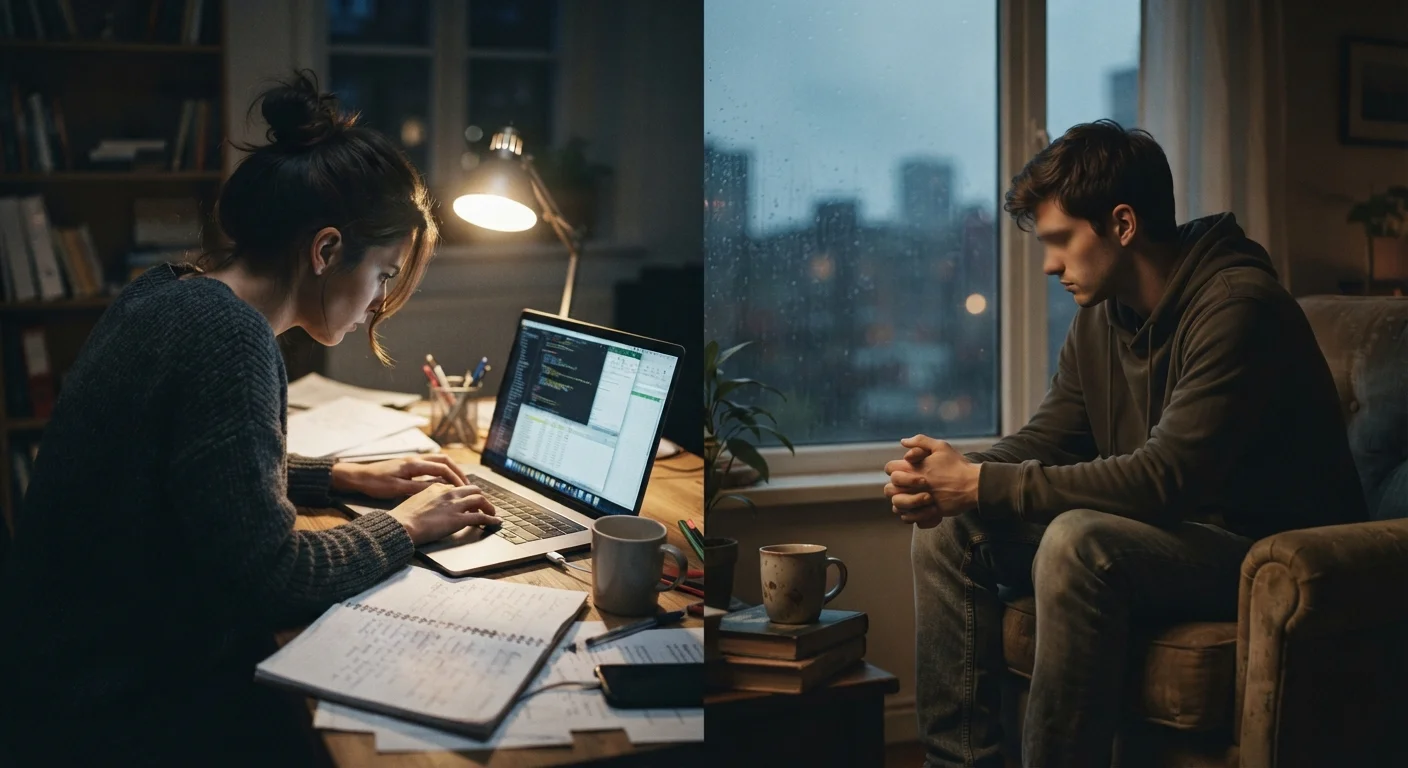
Photo: YetaWellness.com | Explore Trending Blogs editorial
Key Takeaways
- Stress is typically triggered by an identifiable external cause; anxiety can persist without one.
- Both activate the body's fight-or-flight response, but anxiety often lingers longer and feels harder to explain.
- Naming which state you're in helps you choose more effective coping strategies.
- Chronic or severe anxiety that interferes with daily life warrants professional evaluation.
- Simple grounding and problem-solving techniques can address stress; anxiety may require different approaches.
What Separates Stress from Anxiety?
Most of us use stress and anxiety interchangeably — understandably so, because they share symptoms: racing heart, tight chest, restless mind, difficulty sleeping. But psychologists and clinicians draw a meaningful line between them, and understanding that line can genuinely change how you respond to yourself.
Stress is a reaction to an external demand. A looming work deadline, a difficult conversation, financial pressure, a health scare — these are recognizable stressors. The discomfort is proportional to the situation and, crucially, it tends to ease when the situation resolves. Stress is the body doing exactly what it evolved to do: mobilizing resources to meet a challenge.
Anxiety, on the other hand, is characterized by worry or apprehension that persists even when no clear threat exists — or that feels far larger than the situation warrants. It is more internal, more future-focused, and often harder to pin to a single cause. Where stress asks "how do I handle this?", anxiety tends to loop on "what if something goes wrong?"
For a plain-language breakdown of the terms used in this space, see our reference guide to common stress and anxiety terms.
| Criterion | Stress | Anxiety |
|---|---|---|
| Primary trigger | Identifiable external demand | Internal worry, often without clear cause |
| Time orientation | Present — responding to what's happening now | Future — anticipating what might go wrong |
| Duration | Eases when the stressor resolves | Can persist after situation passes |
| Proportionality | Roughly matches the size of the demand | Often feels disproportionate to the situation |
| Helpful coping | Problem-solving, rest, social support | Cognitive techniques, gradual exposure, therapy |
| When to seek help | If stress is chronic or overwhelming | If anxiety impairs daily functioning |
Why the Distinction Matters for How You Cope
If you treat anxiety like stress — by simply trying to eliminate the trigger — you're likely to find limited relief. Anxiety is partly maintained by avoidance: the temporary comfort of dodging a feared situation teaches the brain that the threat was real, making the anxiety stronger over time. Our article on why avoidance often backfires explores this cycle in more detail.
Stress, by contrast, often responds well to practical action. Breaking a large task into steps, delegating, setting limits, or addressing the source directly can produce genuine, lasting relief. Rest, exercise, and social support also buffer stress effectively because they help the nervous system return to baseline once the demand has passed.
Anxiety calls for a different toolkit. Approaches grounded in cognitive-behavioral therapy (CBT) — such as identifying distorted thinking patterns, gradually facing feared situations rather than avoiding them, and learning to tolerate uncertainty — have a strong evidence base for anxiety management. Mindfulness practices can also help, though they work somewhat differently from pure relaxation. Understanding that difference is worth exploring: see our piece on mindfulness vs. relaxation techniques.
It's also worth noting that stress and anxiety can overlap and feed each other. Prolonged, unmanaged stress can develop into an anxiety disorder over time. Our companion article on acute vs. chronic stress explains how duration shapes the body's response and when it's time to seek support.
When Anxiety May Be a Clinical Condition
This article is for general informational and educational purposes only and is not a substitute for professional mental health advice, diagnosis, or treatment. If you are experiencing persistent anxiety or stress that affects your daily functioning, please consult a qualified healthcare provider.
The content on this site is for informational purposes only and is not a substitute for professional advice. Always consult a qualified professional for guidance specific to your situation.