
Why Cutting Out an Entire Macronutrient Rarely Works the Way People Expect

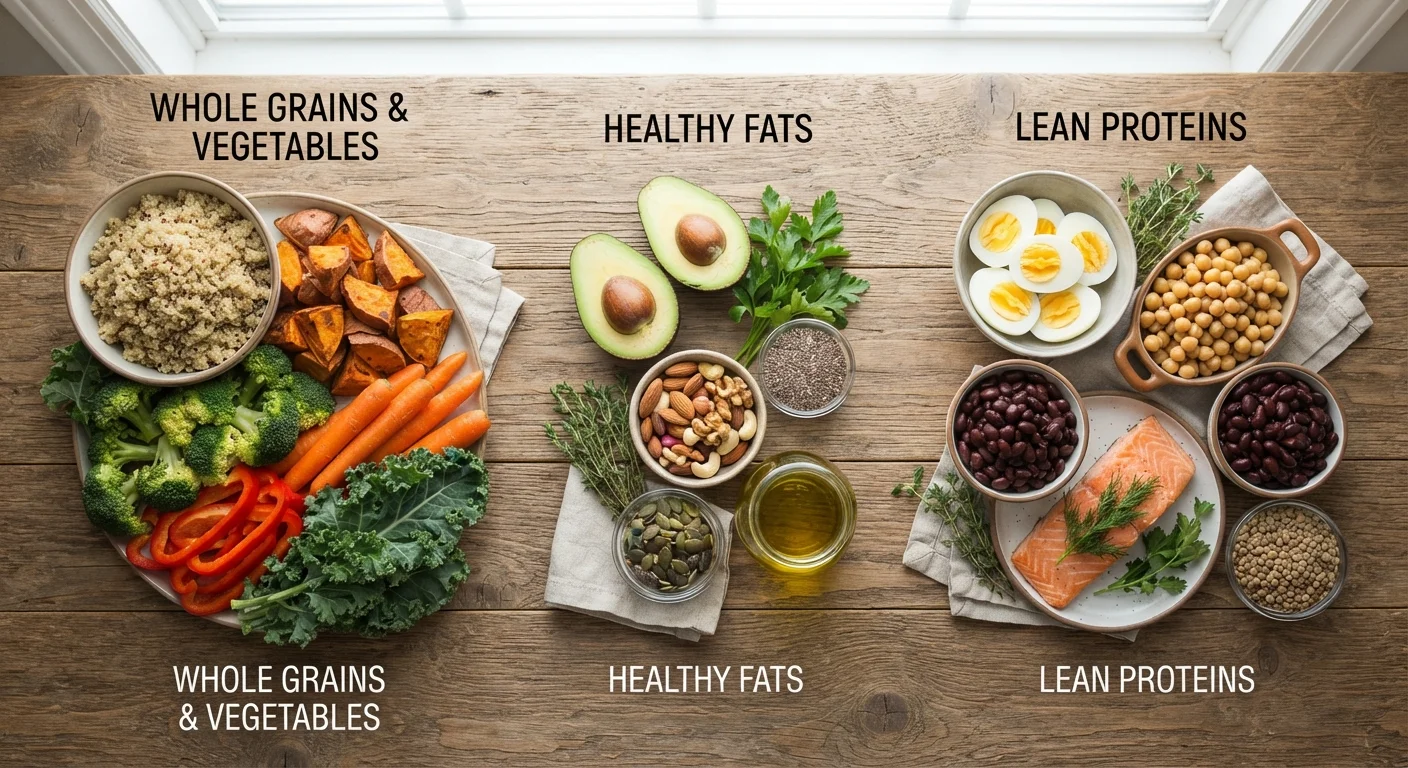
Photo: YetaWellness.com | Explore Trending Blogs editorial
Key Takeaways
- Each macronutrient — carbohydrates, fat, and protein — performs functions no other nutrient can fully replace.
- Eliminating an entire macronutrient typically triggers short-term results that reverse once normal eating resumes.
- Most unintended side effects of macronutrient restriction stem from misunderstanding what each nutrient actually does.
- Adjusting the proportion and quality of macronutrients is more sustainable than removing one entirely.
- A qualified dietitian can help personalize macronutrient ratios without the risks of extreme elimination.
What Each Macronutrient Actually Does
Before examining what goes wrong when a macronutrient disappears, it helps to be clear on what each one contributes. If you're new to the concept, our introduction to macronutrients covers the foundations in plain language.
Carbohydrates are the body's preferred fuel source, particularly for the brain and during moderate-to-vigorous physical activity. They are broken down into glucose, which cells use for energy. Fiber — technically a carbohydrate — feeds beneficial gut bacteria and supports digestive regularity.
Dietary fats are essential for building cell membranes, producing steroid hormones (including sex hormones), absorbing fat-soluble vitamins, and cushioning organs. Not all fats behave the same: unsaturated fats are generally associated with cardiovascular benefit, while trans fats (now largely removed from the food supply) are linked to harm.
Protein supplies amino acids — nine of which are considered essential because the body cannot synthesize them from other compounds. These building blocks maintain muscle tissue, produce enzymes and antibodies, and transport molecules through the bloodstream. Unlike carbohydrates and fat, the body has no dedicated protein storage depot, making regular dietary intake important.
Removing any one of these entirely doesn't simplify nutrition — it creates a gap the remaining two macronutrients cannot fully bridge.
The Most Common Macronutrient Elimination Mistakes
The mistakes below reflect patterns seen across popular diets rather than individual failures. Each stems from a reasonable-sounding idea that, under scrutiny, doesn't align with how the body actually works. For a broader look at how these ideas take hold, see our piece on nutrition myths that keep circulating on social media.
Cutting all carbohydrates expecting permanent fat loss.
Choosing fat-free or very low-fat foods in an effort to reduce body fat.
Severely restricting protein to follow a trend or cut calories quickly.
Misreading the 'adaptation phase' as a sign the diet is working long-term.
Ignoring micronutrient gaps created by eliminating whole food groups.
If a diet's initial success has you wondering whether total elimination is actually working, it's also worth reading about why weight lost on crash diets typically returns — the biology behind rebound weight gain is well-documented and relevant here.
A More Durable Approach: Proportion and Quality Over Elimination
The evidence base for long-term health consistently points toward dietary patterns that include all three macronutrients — adjusted in proportion and quality, not zeroed out. The Mediterranean-style eating pattern, for example, is not low-carb, not fat-free, and not low-protein; it emphasizes the quality within each category.
Practically, this means:
- Replacing refined grains with whole grains rather than eliminating grains entirely
- Swapping saturated fat sources for unsaturated options rather than going fat-free
- Distributing protein across the day rather than loading it into one meal or cutting it to follow a detox plan
Individual macronutrient needs do vary — by age, activity level, health status, and other factors. This is why common macronutrient myths persist: a single ratio doesn't fit every person, which leaves room for oversimplified rules to feel persuasive.
Working with a registered dietitian is the most reliable way to find a macronutrient distribution that matches your specific health goals without the trade-offs that come with wholesale elimination.
This article is for general informational and educational purposes only and is not a substitute for professional medical or dietary advice. Consult a qualified healthcare provider before making significant changes to your eating pattern, particularly if you have an existing health condition.
The content on this site is for informational purposes only and is not a substitute for professional advice. Always consult a qualified professional for guidance specific to your situation.