
A Full Look at Vitamin C: Functions, Food Sources, and Common Misconceptions

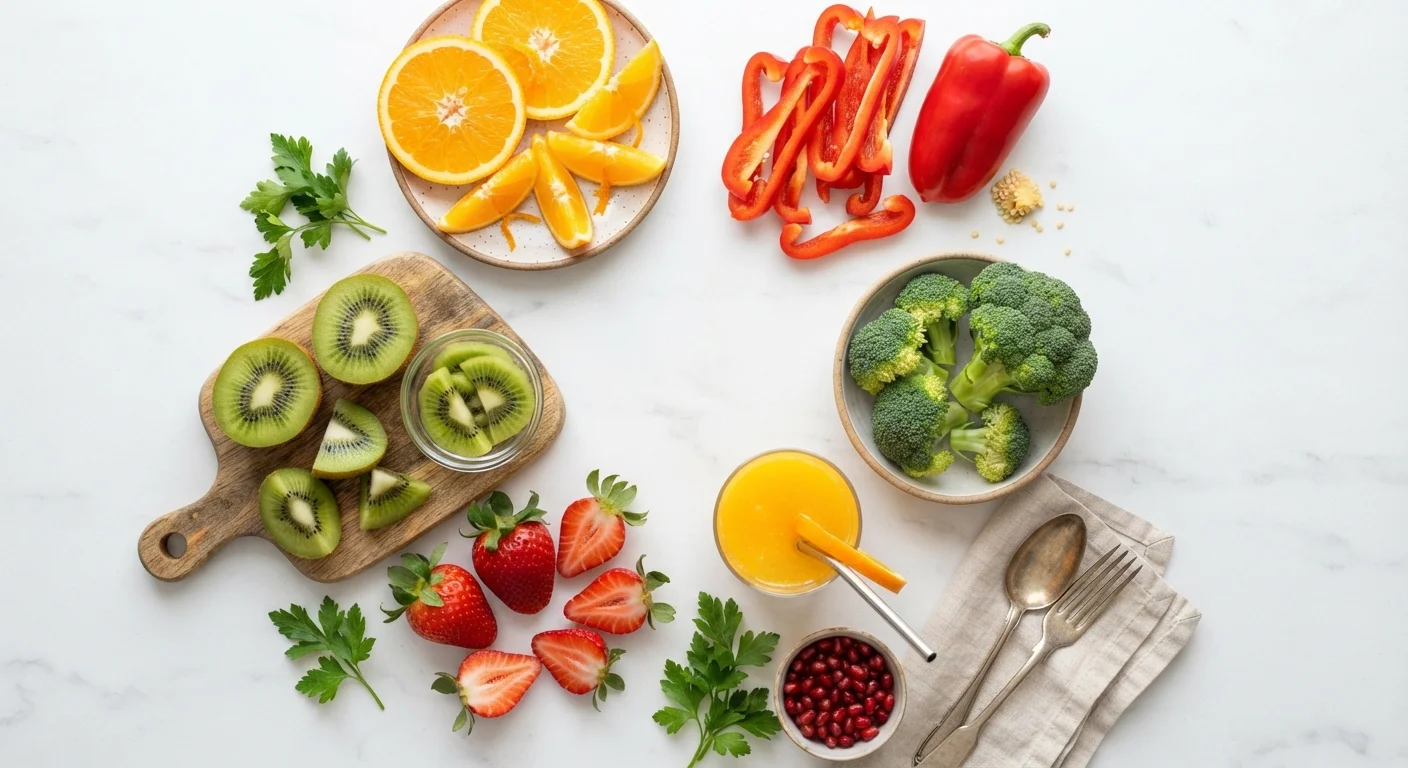
Photo: YetaWellness.com | Explore Trending Blogs editorial
Key Takeaways
- Vitamin C is a water-soluble vitamin that the body cannot make on its own.
- It supports collagen production, immune function, and acts as a powerful antioxidant.
- Red bell peppers, kiwi, and strawberries rival or exceed oranges in vitamin C content.
- Megadosing vitamin C does not reliably prevent colds, according to current evidence.
- Most healthy adults can meet daily needs through a varied, whole-food diet.
- Cooking methods matter — gentle heat or raw preparation preserves more vitamin C.
What Vitamin C Actually Is
Vitamin C — chemically known as ascorbic acid — is a water-soluble vitamin, meaning it dissolves in water and is not stored in fat tissue the way vitamins A or D are. Because the body flushes excess amounts through urine rather than storing them, regular daily intake from food is necessary to maintain adequate levels.
Unlike most mammals, humans lack the enzyme needed to synthesize vitamin C internally. This means every milligram we use must come from the diet or supplements. For a broader look at how the body handles both fat- and water-soluble nutrients, see how vitamins and minerals function inside the body.
Core Functions in the Body
Vitamin C is involved in several interconnected biological processes, not just one.
- Collagen synthesis: Vitamin C is a required cofactor for enzymes that stabilize collagen, the structural protein found in skin, blood vessels, cartilage, and bone. Without adequate vitamin C, collagen breaks down — the mechanism behind scurvy, a historically documented deficiency disease.
- Antioxidant activity: As an antioxidant, vitamin C neutralizes free radicals — unstable molecules that can damage cells. It also regenerates other antioxidants, including vitamin E, extending their protective activity.
- Immune support: Vitamin C supports the function of immune cells called neutrophils and lymphocytes, and it helps maintain the skin's barrier function. Deficiency is associated with impaired immune response, though adequate intake does not guarantee immunity to illness.
- Iron absorption: Vitamin C enhances the absorption of non-heme iron — the type found in plant foods — by converting it into a more bioavailable form. Pairing vitamin C-rich foods with iron-rich plant sources is a well-established dietary strategy.
When building a meal, think of vitamin C as a two-fer: it protects your cells and simultaneously boosts your absorption of plant-based iron. Squeeze lemon juice over cooked lentils or toss chickpeas with diced bell pepper for a functional nutrition pairing.
Opt for steaming or microwaving vegetables with minimal water instead of boiling them. This simple switch can preserve significantly more of the water-soluble vitamin C that would otherwise leach into the cooking water.
Best Food Sources of Vitamin C
Citrus fruit gets most of the credit, but the full list of high-vitamin-C foods is much wider. The table below shows approximate vitamin C content per common serving based on USDA data.
| Food | Serving Size | Approx. Vitamin C |
|---|---|---|
| Red bell pepper (raw) | ½ cup chopped | ~95 mg |
| Kiwi | 1 medium | ~64 mg |
| Orange | 1 medium | ~70 mg |
| Strawberries | ½ cup | ~49 mg |
| Broccoli (cooked) | ½ cup | ~51 mg |
| Brussels sprouts (cooked) | ½ cup | ~48 mg |
| Tomato juice | ¾ cup | ~33 mg |
Heat degrades ascorbic acid, so raw or lightly steamed vegetables generally retain more vitamin C than boiled ones. Steaming or microwaving with minimal water is preferable to boiling.
Common Misconceptions, Cleared Up
Vitamin C is one of the most misunderstood nutrients in popular health culture. Here are the most persistent myths alongside what current evidence actually supports.
- Myth: Megadoses cure or prevent the common cold.
- A large body of research, including systematic reviews of randomized controlled trials, finds that high-dose supplementation does not reliably prevent colds in the general population. Some evidence suggests regular supplementation may slightly shorten cold duration, but the effect is modest. Therapeutic megadosing is not supported as a standard recommendation.
- Myth: You need supplements to get enough.
- The vast majority of healthy adults can meet the Recommended Dietary Allowance through whole foods alone. A single cup of sliced red bell pepper provides more than the daily RDA for most adults.
- Myth: More is always better.
- Excess vitamin C from supplements — generally above 2,000 mg/day — can cause gastrointestinal symptoms like diarrhea and nausea. The body simply excretes what it does not need up to a point, but very high doses carry real side effects.
For a parallel look at how supplement claims outpace the science in another popular micronutrient, see what the science says versus what you've heard about vitamin D.
How Much Do You Actually Need?
The National Institutes of Health Office of Dietary Supplements publishes the following Recommended Dietary Allowances (RDAs) for vitamin C:
- Adult men: 90 mg/day
- Adult women: 75 mg/day
- Pregnant women: 85 mg/day
- Breastfeeding women: 120 mg/day
- Smokers: add 35 mg/day above the standard RDA, as smoking increases oxidative stress and depletes vitamin C faster
The Tolerable Upper Intake Level (UL) — the maximum daily amount unlikely to cause harm — is set at 2,000 mg/day for adults. These are population-level reference values. Individual needs can vary based on health status, medications, and other factors. Always consult a qualified healthcare professional before starting any supplementation regimen.
To see how vitamin C fits alongside all other essential vitamins and minerals, the Micronutrient Reference Guide covers each nutrient in plain language.
Practical Tips for Getting Enough
Meeting your vitamin C needs through food is straightforward once you know where to look. A few simple habits make a real difference:
- Eat a variety of colorful produce daily. Vitamin C is concentrated in many fruits and vegetables — rotating choices ensures consistent intake without relying on a single food.
- Add raw vegetables where possible. Sliced peppers, cherry tomatoes, and shredded cabbage in salads or wraps preserve more vitamin C than their cooked counterparts.
- Pair plant-based iron sources with vitamin C foods. A spinach salad with strawberries, or lentil soup with a squeeze of lemon, meaningfully improves iron absorption.
- Store produce properly. Vitamin C degrades with exposure to air and light. Store cut fruits and vegetables in sealed containers in the refrigerator and consume within a few days.
- Don't over-rely on juice. While 100% fruit juice contains vitamin C, it lacks the fiber of whole fruit and is easier to overconsume. Whole fruit is generally the better choice.
If you are newer to thinking about micronutrients broadly, our plain-language starting point for micronutrients is a helpful next step.
This article is for general informational and educational purposes only and does not constitute medical advice. For questions about your individual nutritional needs or health conditions, please consult a registered dietitian or qualified healthcare provider.
The content on this site is for informational purposes only and is not a substitute for professional advice. Always consult a qualified professional for guidance specific to your situation.