
Why Iron Absorption Depends So Much on What Else Is on Your Plate

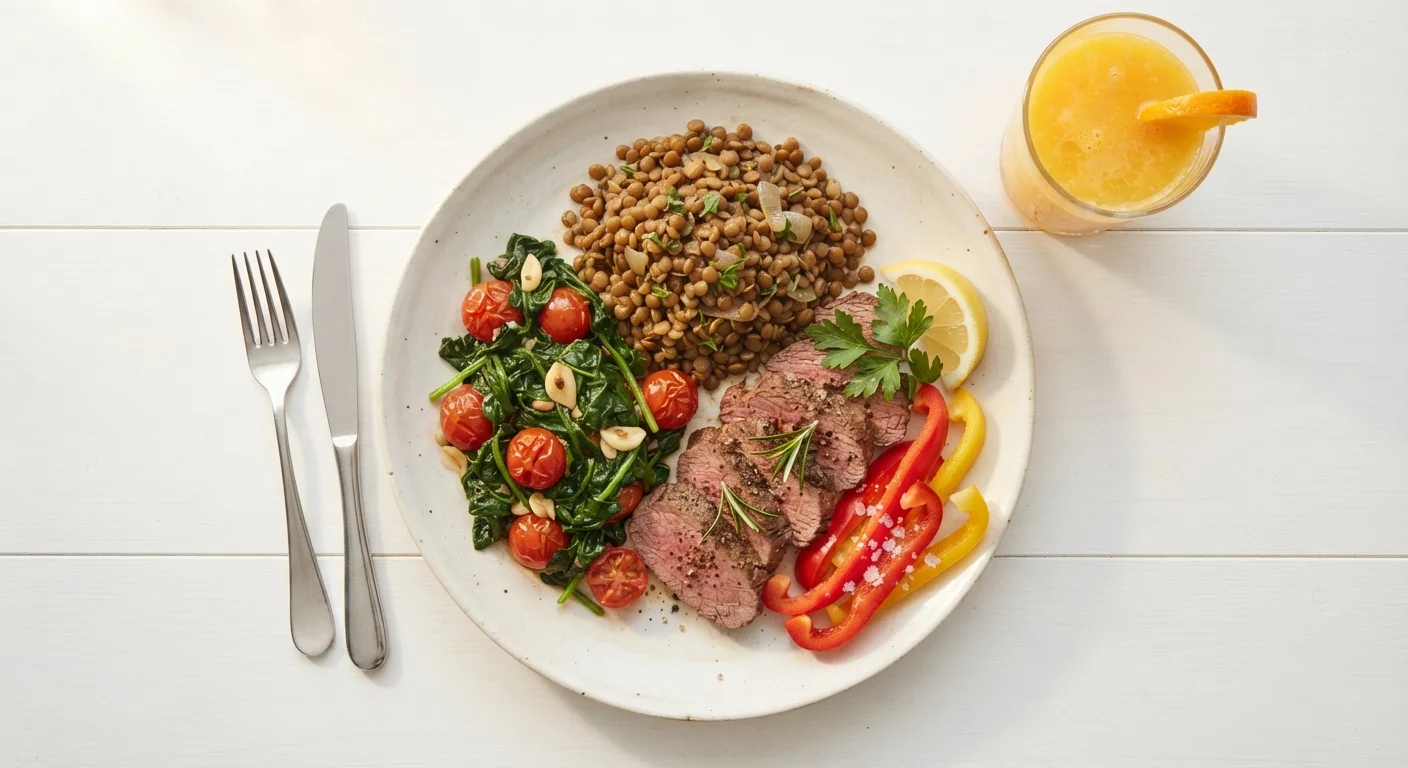
Photo: YetaWellness.com | Explore Trending Blogs editorial
Key Takeaways
- Vitamin C consumed in the same meal can significantly boost non-heme iron absorption.
- Calcium, tannins, and phytates can inhibit iron uptake when eaten at the same time as iron-rich foods.
- Heme iron from animal sources is absorbed more efficiently than non-heme iron from plants.
- Cooking methods and food preparation can alter how much iron your body can access.
- Strategic meal pairing is one of the most practical tools for improving iron status through diet.
Two Types of Iron, Two Very Different Absorption Rates
Iron enters your diet in two distinct chemical forms, and your digestive system handles them very differently. Heme iron — found in red meat, poultry, and seafood — is structurally similar to the iron already in your blood, so your intestinal cells absorb it efficiently. Non-heme iron — found in beans, lentils, spinach, fortified grains, and other plant foods — requires more conversion steps and is far more sensitive to what else you've eaten.
This distinction matters practically: even an iron-rich vegetarian diet may not deliver adequate amounts to the body if absorption conditions aren't favorable. Understanding the difference is the first step toward eating smarter, not necessarily more. For a broader look at how food preparation and pairing affect multiple nutrients, see how small food choices boost micronutrient absorption.
What Enhances Iron Absorption
The single most well-established dietary enhancer of non-heme iron absorption is vitamin C (ascorbic acid). Consumed at the same meal, vitamin C converts iron into a form your intestinal cells can take in more readily. A modest amount — like half a bell pepper, a handful of strawberries, or a small glass of orange juice — alongside a plant-based iron source can make a meaningful difference.
Heme iron itself also acts as an enhancer. Eating a small amount of meat alongside plant-based iron sources, sometimes called the "meat factor," appears to boost non-heme iron uptake in the same meal. This is one reason mixed meals that include a modest portion of animal protein can support iron status even when most of the plate is plant-based.
Certain organic acids, including citric acid found in citrus fruits and lactic acid in fermented foods, may also modestly improve iron availability. This is an area of ongoing nutritional research rather than established consensus.
2–20%
Absorption rate of non-heme iron
According to nutrition research, non-heme iron from plant foods is absorbed at far lower rates than heme iron, with wide variation based on meal composition and body iron stores.
15–35%
Absorption rate of heme iron
Heme iron from animal sources is absorbed at substantially higher rates, as cited by the National Institutes of Health Office of Dietary Supplements.
~10 mg/day
Recommended iron intake for adult men
The U.S. Dietary Reference Intakes set the Recommended Dietary Allowance for iron at approximately 8 mg/day for adult men and postmenopausal women, rising to 18 mg/day for premenopausal women.
What Inhibits Iron Absorption
Just as some foods help, others interfere — and the inhibitors are more numerous than most people realize.
- Phytates (phytic acid): Found in whole grains, legumes, nuts, and seeds, phytates bind to iron in the gut and reduce how much is absorbed. Soaking, sprouting, or fermenting these foods can break down phytates and improve iron availability.
- Polyphenols and tannins: Present in tea, coffee, red wine, and some vegetables like spinach, these compounds can substantially reduce non-heme iron absorption. Even one cup of tea with a meal can lower uptake noticeably.
- Calcium: Both dairy products and calcium supplements have been shown to inhibit iron absorption when consumed simultaneously. Spacing calcium intake away from iron-rich meals is a practical workaround.
- Excess zinc: Very high supplemental doses of zinc may compete with iron for absorption, though this is rarely a concern from food alone.
Recognizing these interactions doesn't mean avoiding nutritious foods — it means being thoughtful about timing. Understanding how nutrients interact can help you structure meals that work with your body rather than against it.
Putting It Together: Practical Meal Strategies
You don't need to redesign every meal — a few deliberate adjustments can meaningfully improve iron uptake over time.
- Add a vitamin C source to plant-based iron meals. Think lentil soup with tomatoes, black bean tacos with salsa, or fortified oatmeal topped with sliced strawberries.
- Hold the coffee and tea until after eating. Waiting 30–60 minutes after an iron-rich meal before drinking tannin-containing beverages reduces interference.
- Separate calcium-rich foods from iron-rich foods when possible. Saving the glass of milk or yogurt for a different meal or snack is an easy, low-effort shift.
- Soak or sprout legumes before cooking. This reduces phytate content and makes the iron in beans and lentils more accessible.
Iron absorption is one of the more nuanced aspects of everyday nutrition — and it's a good reminder that nutrient adequacy isn't just about what you eat, but how those foods interact. Certain healthy-seeming dietary patterns can still leave gaps; learn which healthy eating assumptions can still create micronutrient shortfalls.
This article is for general informational and educational purposes only and is not a substitute for professional medical or dietary advice. If you have concerns about iron deficiency or your nutritional status, consult a qualified healthcare provider.
Frequently Asked Questions
The content on this site is for informational purposes only and is not a substitute for professional advice. Always consult a qualified professional for guidance specific to your situation.