
Sedentary Behavior vs. Physical Inactivity: A Distinction Worth Understanding

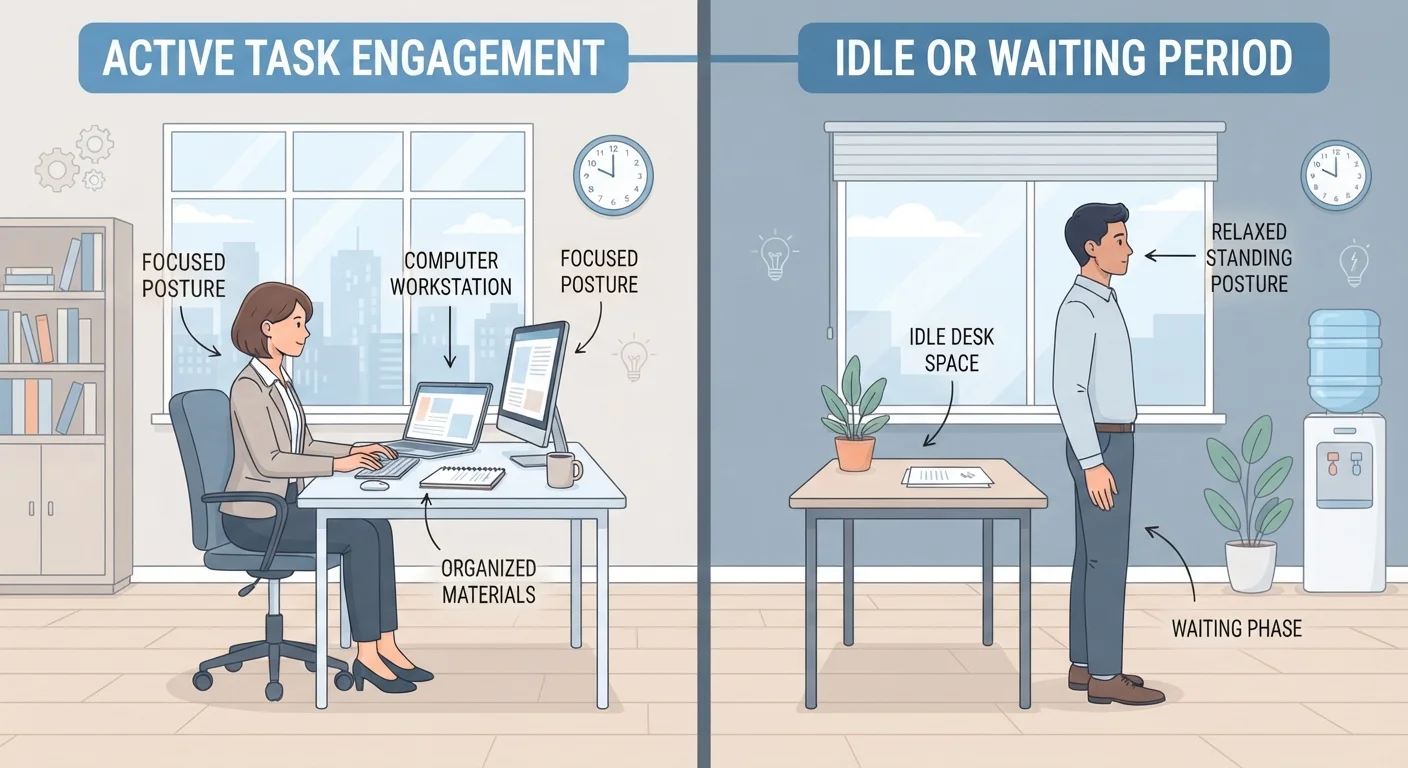
Photo: YetaWellness.com | Explore Trending Blogs editorial
Key Takeaways
- Sedentary behavior means prolonged low-energy sitting or reclining while awake; physical inactivity means failing to meet recommended exercise guidelines.
- You can be physically active and still have high sedentary time — both risks are independent.
- Breaking up sitting with short movement bursts addresses sedentary risk separately from structured exercise.
- Public health guidelines target both behaviors with different but complementary strategies.
- Addressing only one of these risks while ignoring the other leaves a meaningful health gap.
Two Terms, Two Distinct Problems
Health messaging often treats "sitting too much" and "not exercising enough" as the same problem. They are not. Researchers and public health bodies now distinguish between sedentary behavior and physical inactivity because each carries its own risk profile and requires its own solution.
Sedentary behavior is defined as any waking activity that involves sitting, reclining, or lying down with very low energy expenditure — generally at or below 1.5 metabolic equivalents (METs). Think desk work, commuting by car, watching television, or scrolling a phone while seated.
Physical inactivity, by contrast, refers to not meeting established physical activity guidelines. The U.S. Department of Health and Human Services recommends at least 150 minutes of moderate-intensity aerobic activity per week, plus muscle-strengthening activity on two or more days. Falling short of those targets defines physical inactivity — regardless of how much you move around during the rest of the day.
The critical insight: a person can meet weekly exercise guidelines and still accumulate harmful amounts of sedentary time. An office worker who runs 30 minutes each morning but sits for 9 hours afterward is simultaneously physically active and highly sedentary. Research published in journals such as Annals of Internal Medicine and Medicine & Science in Sports & Exercise consistently shows these two behaviors exert independent effects on metabolic health, cardiovascular risk, and all-cause mortality.
| Criterion | Sedentary Behavior | Physical Inactivity |
|---|---|---|
| Core definition | Prolonged low-energy sitting or reclining while awake | Not meeting recommended structured exercise guidelines |
| Primary mechanism of harm | Suppressed muscle metabolism, impaired glucose regulation | Lack of cardiovascular and musculoskeletal adaptation |
| Can coexist with the opposite? | Yes — active people can still sit too much | Yes — sedentary people may still hit exercise targets |
| Key intervention | Frequent short movement breaks throughout the day | Structured aerobic and strength training sessions |
| Measured by | Hours per day in seated or low-energy postures | Weekly minutes of moderate-to-vigorous activity |
| Addressed by exercise alone? | No — exercise does not fully offset prolonged sitting | Yes — meeting guidelines directly resolves this risk |
How Each Behavior Affects the Body
Prolonged sitting triggers distinct physiological changes that structured exercise does not fully reverse. Extended periods without muscle contraction — particularly in the large leg and postural muscles — reduce the activity of lipoprotein lipase, an enzyme important for fat metabolism. Blood glucose regulation also worsens with sustained inactivity at the cellular level, independent of fitness level. Explore the science behind breaking up sedentary time for a deeper look at these mechanisms.
Physical inactivity operates through a different pathway: the absence of regular moderate-to-vigorous exercise means the cardiovascular system, musculoskeletal structure, and metabolic regulation never receive the adaptive stress they need to stay resilient. Chronic diseases linked to physical inactivity include type 2 diabetes, coronary heart disease, and certain cancers — risks well documented in CDC and WHO surveillance data.
Understanding both pathways matters because the interventions that address them are different. Short movement breaks throughout the day — standing, walking to a colleague's desk, a brief stretch — interrupt sedentary physiology. Those same breaks, however, are not intense enough to replace the cardiovascular and muscular adaptations that come from sustained moderate-to-vigorous activity.
150 min
Weekly moderate aerobic activity recommended
The U.S. Department of Health and Human Services Physical Activity Guidelines for Americans set this as the minimum target for adults.
~25%
U.S. adults meeting aerobic and muscle-strengthening guidelines
CDC surveillance data consistently show only about one in four American adults meet both components of physical activity recommendations.
6–8 hours
Average daily sitting time for U.S. adults
Research using accelerometry data estimates most working-age American adults spend the majority of waking hours in sedentary postures.
Practical Strategies for Addressing Both
Because the two behaviors are independent risks, the most effective prevention approach targets them separately and simultaneously.
To reduce sedentary time:
- Set a recurring reminder to stand or walk briefly every 30–60 minutes during seated work.
- Take phone calls standing or walking when possible.
- Choose standing or walking options for short trips within a building.
- Use a standing desk or adjustable workstation for part of the day if available.
See turning a sedentary workday into a moving one for low-disruption strategies compatible with desk-based jobs.
To address physical inactivity:
- Build toward 150 minutes of moderate aerobic activity weekly — brisk walking counts.
- Add muscle-strengthening activities on at least two days per week.
- If starting from a long sedentary period, begin gradually and consult a healthcare provider. Starting an active lifestyle after a long sedentary period offers a realistic framework for doing this safely.
If you are weighing which form of movement suits you, walking vs. running for everyday active life breaks down the trade-offs clearly. Both count toward weekly activity minutes. Building prevention into a busy schedule can also help you embed these behaviors into an already full day without requiring a complete routine overhaul.
This article is for general informational and educational purposes only and is not a substitute for professional medical advice. Consult a qualified healthcare provider before making significant changes to your activity level, especially if you have an existing health condition.
The content on this site is for informational purposes only and is not a substitute for professional advice. Always consult a qualified professional for guidance specific to your situation.