
Blood Pressure Readings Demystified: What the Numbers Actually Mean

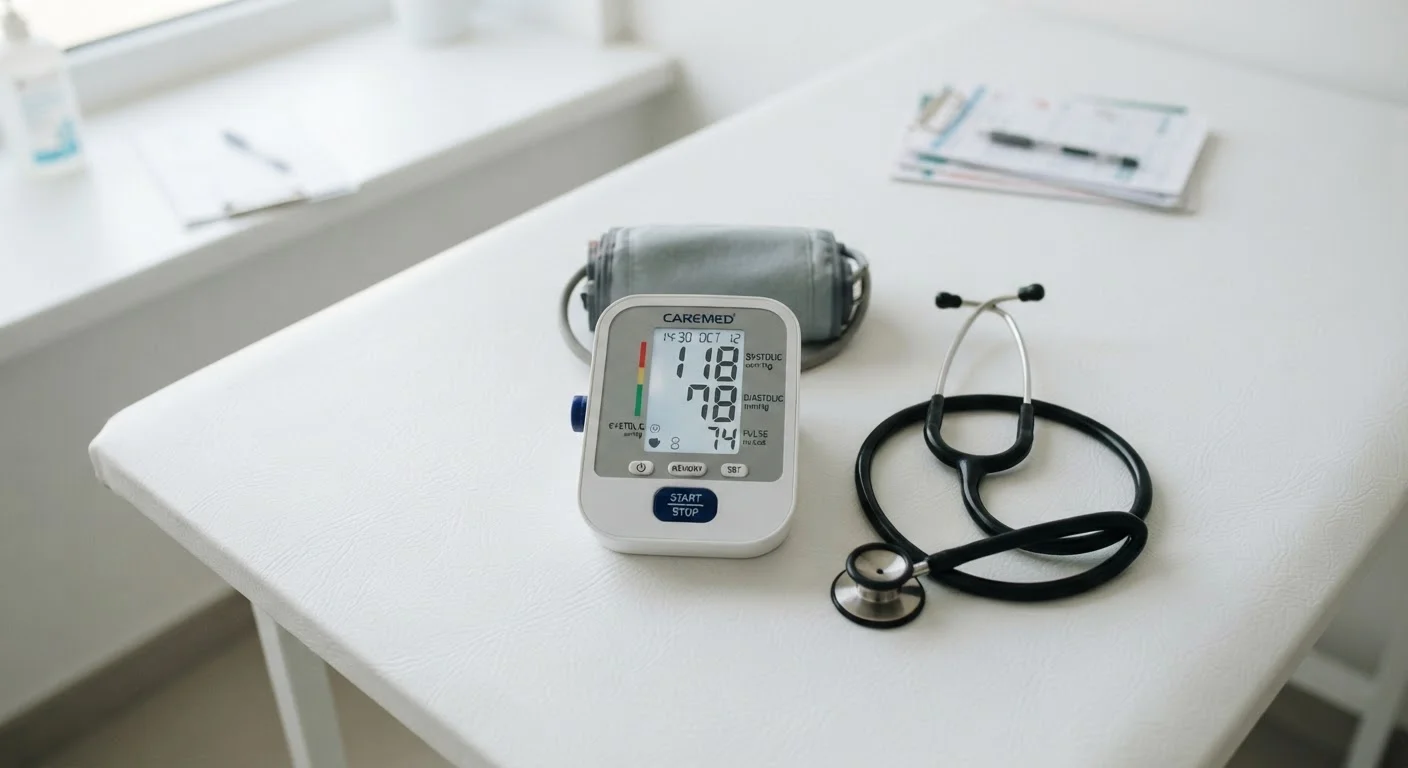
Photo: YetaWellness.com | Explore Trending Blogs editorial
Key Takeaways
- Blood pressure is recorded as two numbers: systolic (top) and diastolic (bottom).
- Normal blood pressure for most adults is below 120/80 mmHg, per American Heart Association guidelines.
- Elevated and stage 1 hypertension readings often have no symptoms, making regular screening essential.
- Lifestyle changes can meaningfully lower blood pressure, especially when caught in earlier stages.
- Always discuss your specific readings with a qualified healthcare provider before making any health decisions.
The Two Numbers: Systolic and Diastolic
When a healthcare provider wraps a cuff around your arm and pumps it up, they are measuring two distinct phases of your heart's pumping cycle — and each phase produces one of the two numbers in your reading.
Systolic pressure (the top number) captures the peak force your heart generates when it contracts and pushes blood into your arteries. Diastolic pressure (the bottom number) records the residual pressure in your arteries while your heart rests between beats.
Both numbers matter independently. Persistently elevated systolic pressure is one of the strongest predictors of cardiovascular events in older adults, while high diastolic pressure carries greater weight as a risk factor in younger adults. Neither number should be dismissed as the "less important" one.
47%
U.S. adults with hypertension
According to the CDC, nearly half of American adults have high blood pressure, defined as 130/80 mmHg or higher or taking medication for it.
1 in 5
Adults unaware of their hypertension
The CDC estimates that about 1 in 5 U.S. adults with high blood pressure do not know they have it, underscoring the importance of routine screening.
5 mmHg
Systolic reduction from dietary changes
Research summarized by the American Heart Association suggests that adopting a low-sodium, heart-healthy diet can reduce systolic pressure by roughly 5 mmHg on average in adults with hypertension.
The Blood Pressure Categories You Should Know
The American Heart Association organizes blood pressure into five categories that help clinicians — and patients — understand the level of concern and appropriate next steps:
- Normal: Systolic below 120 and diastolic below 80 mmHg.
- Elevated: Systolic 120–129 and diastolic below 80. No medication is typically needed, but lifestyle changes are recommended.
- Stage 1 Hypertension: Systolic 130–139 or diastolic 80–89. A provider will assess your overall cardiovascular risk before recommending treatment.
- Stage 2 Hypertension: Systolic 140 or higher or diastolic 90 or higher. Medication is often part of the treatment plan alongside lifestyle changes.
- Hypertensive Crisis: Systolic over 180 and/or diastolic over 120. This requires immediate medical attention.
These categories are guides, not a diagnosis on their own. A single high reading does not automatically mean you have hypertension — context and consistency matter.
Why Regular Screening Is the Only Way to Know
High blood pressure earns its reputation as a "silent" condition because it rarely announces itself through pain, dizziness, or obvious warning signs — at least not in its early stages. Organ damage to the heart, kidneys, and blood vessels can accumulate over years before any symptom surfaces.
The U.S. Preventive Services Task Force (USPSTF) recommends blood pressure screening for all adults aged 18 and older. Adults with a history of elevated readings or other cardiovascular risk factors may benefit from more frequent checks. Home monitoring devices can be useful supplements to office visits, though their accuracy varies and they should not replace professional assessment.
Just as understanding your body composition numbers goes beyond what a scale can show, understanding blood pressure goes beyond how you feel on any given day. Both are examples of health data that require proper context to interpret meaningfully.
Factors That Influence Your Reading — and What You Can Do
Blood pressure is dynamic. Readings fluctuate in response to stress, physical activity, caffeine intake, full bladder, posture, and even the act of talking during measurement. Clinicians typically ask you to sit quietly for five minutes before measuring and may take two or more readings per visit.
Established lifestyle factors that support healthy blood pressure include maintaining a balanced diet lower in sodium, regular aerobic physical activity, limiting alcohol, managing chronic stress, and avoiding tobacco. These are not guaranteed fixes, and individual responses vary — but the evidence base behind them is strong. For some individuals, medication is necessary regardless of lifestyle changes, and that is not a personal failure.
If you are working to improve your overall fitness alongside managing blood pressure, understanding how to structure your physical activity is valuable. Our guide to workout plan numbers can help you decode exercise programming in plain language.
This article is for general informational and educational purposes only and is not a substitute for professional medical advice, diagnosis, or treatment. Always consult a qualified healthcare provider with questions about your blood pressure or any other health concern.
Frequently Asked Questions
The content on this site is for informational purposes only and is not a substitute for professional advice. Always consult a qualified professional for guidance specific to your situation.