
Circadian Rhythm Disorders: When Your Internal Clock Falls Out of Sync

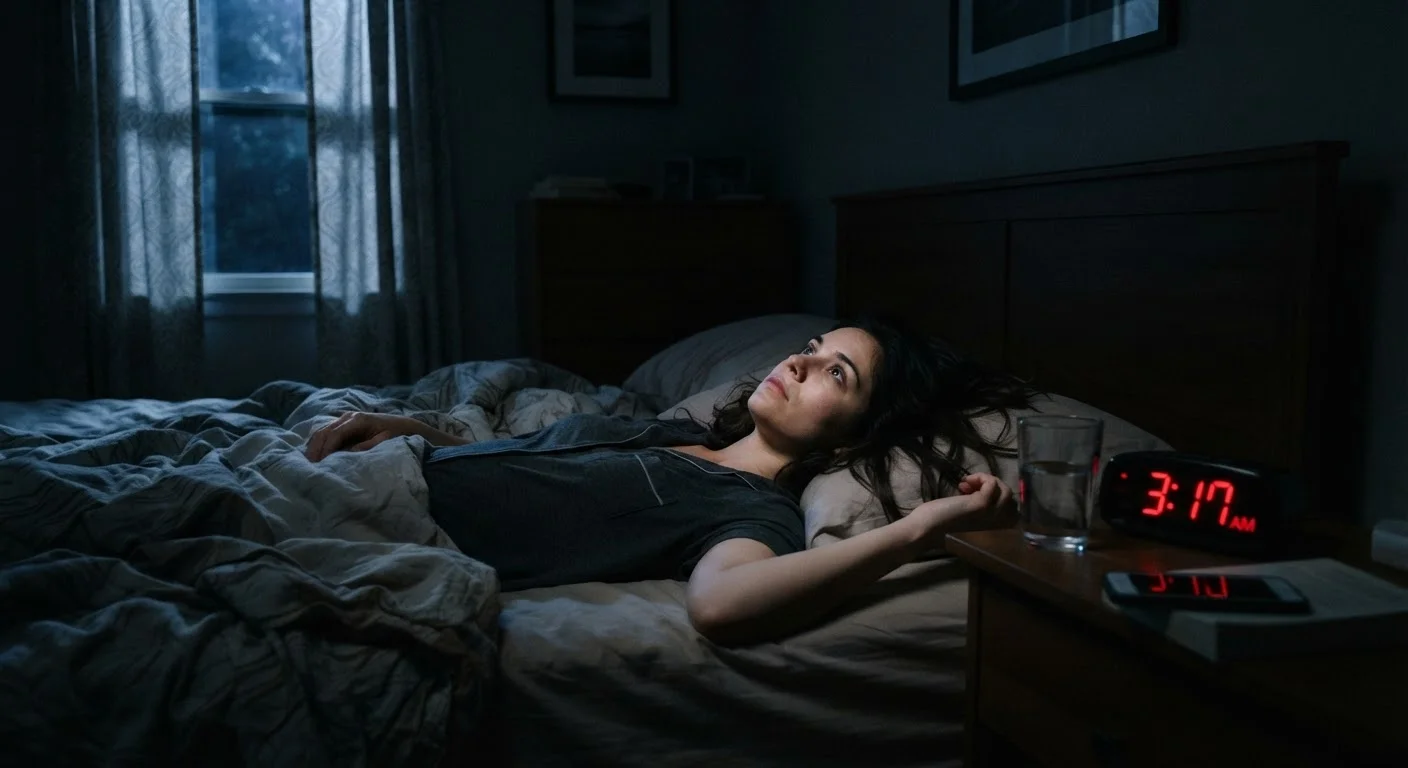
Photo: YetaWellness.com | Explore Trending Blogs editorial
Key Takeaways
- Circadian rhythm disorders are distinct clinical conditions, not simply lifestyle preferences or poor sleep habits.
- Several recognized subtypes exist, including Delayed Sleep-Wake Phase Disorder and Shift Work Disorder.
- Light exposure is the most powerful external signal for resetting the circadian clock.
- These disorders are diagnosable and manageable — a sleep specialist can evaluate and guide treatment.
- Age, genetics, and environmental factors all influence circadian alignment.
More Than a Preference: What Makes These Disorders Clinical
Most people have noticed that they feel more alert at certain times of day. But circadian rhythm disorders go well beyond individual preferences. To understand why, it helps to know that your circadian clock governs not just when you feel sleepy, but hormone release, body temperature, immune function, and metabolism — a full biological timeline running continuously in the background. For a deeper look at that mechanism, see what your circadian rhythm is actually doing.
A disorder arises when the timing of that internal clock is persistently out of step with external demands — work, school, family — and that misalignment causes real functional impairment. The key clinical criteria are persistence, distress, and impact on daily life. This distinguishes a disorder from ordinary variation.
Not Every Late Sleeper Has a Disorder
Recognized Subtypes and Their Defining Features
The ICSD-3 recognizes several distinct circadian rhythm sleep-wake disorders. Each has a characteristic pattern:
- Delayed Sleep-Wake Phase Disorder (DSWPD): The sleep period is shifted significantly later than conventional times — often 2 a.m. to noon, for example. Falling asleep earlier feels impossible. DSWPD is most common in teenagers and young adults and has a genetic component.
- Advanced Sleep-Wake Phase Disorder (ASWPD): The opposite pattern — extreme early sleep and early waking, often by 6–8 p.m. and 2–4 a.m. More prevalent in older adults.
- Non-24-Hour Sleep-Wake Rhythm Disorder: The internal clock runs on a cycle slightly longer or shorter than 24 hours and never fully entrains to the day-night cycle. It most frequently affects people who are totally blind, as light — the primary zeitgeber — cannot be perceived.
- Irregular Sleep-Wake Rhythm Disorder: Sleep is fragmented into multiple short episodes across 24 hours with no clear consolidated period. Associated with neurological conditions such as dementia.
- Shift Work Disorder: Persistent insomnia or excessive sleepiness caused by a work schedule that conflicts with the natural sleep period.
- Jet Lag Disorder: Temporary misalignment following rapid travel across multiple time zones. Generally self-resolving.
~0.17%
Estimated prevalence of DSWPD in adults
Research published in sleep medicine literature estimates Delayed Sleep-Wake Phase Disorder affects roughly 0.17% of the general adult population, with higher rates among adolescents.
70–90%
Of totally blind individuals affected by Non-24
Studies indicate the majority of people who are totally blind experience Non-24-Hour Sleep-Wake Rhythm Disorder due to absent light input to the circadian system.
~20%
Of U.S. workers on non-standard schedules
The Bureau of Labor Statistics has estimated that roughly one in five American workers is employed in shift, evening, night, or rotating schedules — a population at elevated risk for circadian misalignment.
Causes and Contributing Factors
No single cause applies across all types. Genetics play a meaningful role in DSWPD and ASWPD — specific variants in clock genes such as PER3 and CRY1 have been linked to these conditions in research settings. Light exposure patterns matter enormously: evening blue-light exposure from screens can suppress melatonin and delay the clock, while insufficient morning light can prevent proper entrainment.
Social and occupational pressures compound biological tendencies. Irregular sleep timing, even on weekends, can perpetuate misalignment. Age-related changes in clock sensitivity help explain why ASWPD is more common later in life. These disorders also appear more frequently in people with mood disorders, autism spectrum conditions, and traumatic brain injury, though the relationship is complex and bidirectional.
General Management Approaches
Management is individualized and should be guided by a qualified sleep specialist. That said, several general strategies are well-established in the literature:
- Light therapy: Timed bright-light exposure is the most evidence-supported behavioral intervention. Morning light can advance a delayed clock; evening light can delay an advanced one. Timing, duration, and intensity matter significantly.
- Chronotherapy: Gradually shifting the sleep schedule — either advancing or delaying it by increments — to reach a target timing. Requires careful structure.
- Melatonin timing: Low-dose melatonin taken at a precisely calculated time (not simply at bedtime) can help shift the clock. A clinician should guide this, as mistimed melatonin can worsen misalignment.
- Sleep schedule consistency: Maintaining anchor sleep and wake times reinforces entrainment, particularly important for shift workers and those managing DSWPD.
For a broader overview of how sleep disorders are classified and evaluated, see sleep disorders explained. Those wanting to understand how misaligned sleep affects the body beyond fatigue can explore what happens during disrupted sleep.
This article is for informational purposes only and is not a substitute for professional medical advice, diagnosis, or treatment. If you suspect you have a circadian rhythm disorder, consult a qualified healthcare provider or board-certified sleep specialist.
Frequently Asked Questions
The content on this site is for informational purposes only and is not a substitute for professional advice. Always consult a qualified professional for guidance specific to your situation.