
Alcohol and Sleep: Why a Nightcap Often Backfires

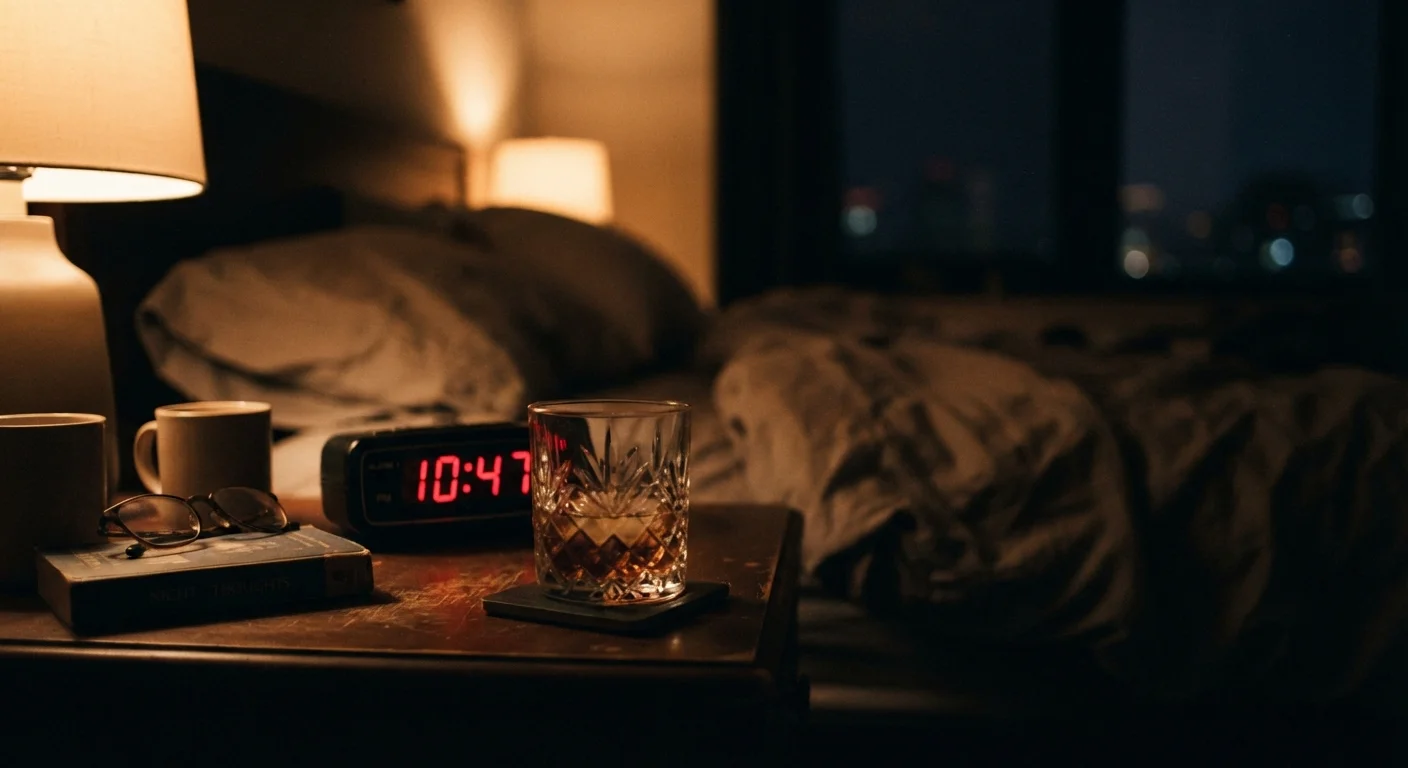
Photo: YetaWellness.com | Explore Trending Blogs editorial
Key Takeaways
- Alcohol reduces the time it takes to fall asleep but significantly disrupts sleep in the second half of the night.
- REM sleep — critical for memory consolidation and emotional regulation — is suppressed by alcohol consumption.
- Even moderate amounts of alcohol within three to four hours of bedtime measurably reduce sleep quality.
- The metabolic rebound from alcohol metabolism can cause increased wakefulness and restlessness after midnight.
- Replacing alcohol-based wind-down habits with evidence-backed routines supports more restorative sleep.
How Alcohol Interacts With Your Sleep Cycle
Alcohol's initial sedative effect is real and pharmacologically straightforward: it enhances the activity of GABA, an inhibitory neurotransmitter in the brain, promoting drowsiness and reducing sleep onset latency. This is the mechanism behind the classic "nightcap" ritual — a drink to take the edge off and ease the transition to sleep.
The problem begins several hours later. Sleep is not a uniform state; it cycles through distinct stages — light sleep (N1, N2), deep slow-wave sleep (N3), and REM sleep — roughly every 90 minutes. Alcohol disrupts this architecture in two ways. First, it suppresses REM sleep early in the night, reducing the restorative dreaming stage when the brain consolidates memories and processes emotions. Second, as the liver metabolizes alcohol into stimulating byproducts, a rebound effect sets in during the second half of the night, triggering lighter sleep, more frequent waking, and sometimes vivid or anxious dreams.
The result is a night that feels long but delivers less. For a fuller picture of what disrupted sleep does inside your body, see our article on what happens during a night of disrupted sleep.
The Dose and Timing Problem
Many people assume that a single drink is harmless, but the research paints a more nuanced picture. Studies using polysomnography — objective overnight sleep recording — consistently show that even low doses of alcohol (one to two standard drinks) consumed within three to four hours of bedtime reduce sleep efficiency and REM duration. The effect is dose-dependent: more alcohol, more disruption.
Timing matters significantly. Alcohol consumed with dinner several hours before bed is processed more completely before sleep begins, reducing — though not eliminating — its sleep-disruptive impact. Drinking closer to bedtime gives the liver less time to clear alcohol and its byproducts before the critical second half of the night arrives.
~24%
Reduction in REM sleep from moderate alcohol use
A meta-analysis published in Alcoholism: Clinical & Experimental Research found moderate pre-sleep alcohol doses reduced REM sleep by approximately 24% in the first half of the night.
3–4 hrs
Minimum gap recommended before bedtime
Sleep researchers generally advise allowing at least three to four hours between the last alcoholic drink and sleep to reduce impact on sleep efficiency.
~20%
U.S. adults who use alcohol to help sleep
Surveys published in health journals have estimated that roughly one in five American adults report using alcohol as a sleep aid at least occasionally.
Alcohol also compounds other sleep vulnerabilities. For people with obstructive sleep apnea, alcohol relaxes upper airway muscles, worsening breathing interruptions. For those already dealing with anxiety or stress, the rebound arousal phase can amplify nighttime rumination. Anyone who recognizes these patterns should consult a healthcare provider, particularly before making changes to any existing treatment plan.
Rethinking the Wind-Down Ritual
The appeal of a nightcap is partly pharmacological but largely habitual — it signals the end of the day and creates a sense of psychological transition. The good news is that this signal function can be replicated with behaviors that support rather than undermine sleep.
Evidence-backed wind-down strategies focus on lowering core body temperature, reducing cognitive arousal, and anchoring the body's circadian cues. Dimming lights, stepping away from screens, and engaging in low-stimulation activities in the hour before bed all activate the parasympathetic nervous system in ways that support natural sleep onset — without the metabolic cost of alcohol. For a structured approach, our guide on evening wind-down routines outlines what sleep researchers actually recommend.
Alcohol is also one of several everyday habits that quietly erode sleep quality without producing obvious insomnia. If you drink regularly in the evening and wake feeling unrefreshed, it may be worth exploring the broader picture of habits that undermine sleep architecture. Similarly, if your current wind-down routine isn't delivering results, it's worth examining why your wind-down routine isn't working — alcohol may be only part of the equation.
This article is for informational purposes only and does not constitute medical advice. If you have concerns about your sleep quality, alcohol use, or related health conditions, please consult a qualified healthcare professional.
Frequently Asked Questions
The content on this site is for informational purposes only and is not a substitute for professional advice. Always consult a qualified professional for guidance specific to your situation.