
Body Fat Percentage, BMI, and Waist-to-Hip Ratio: Understanding the Differences

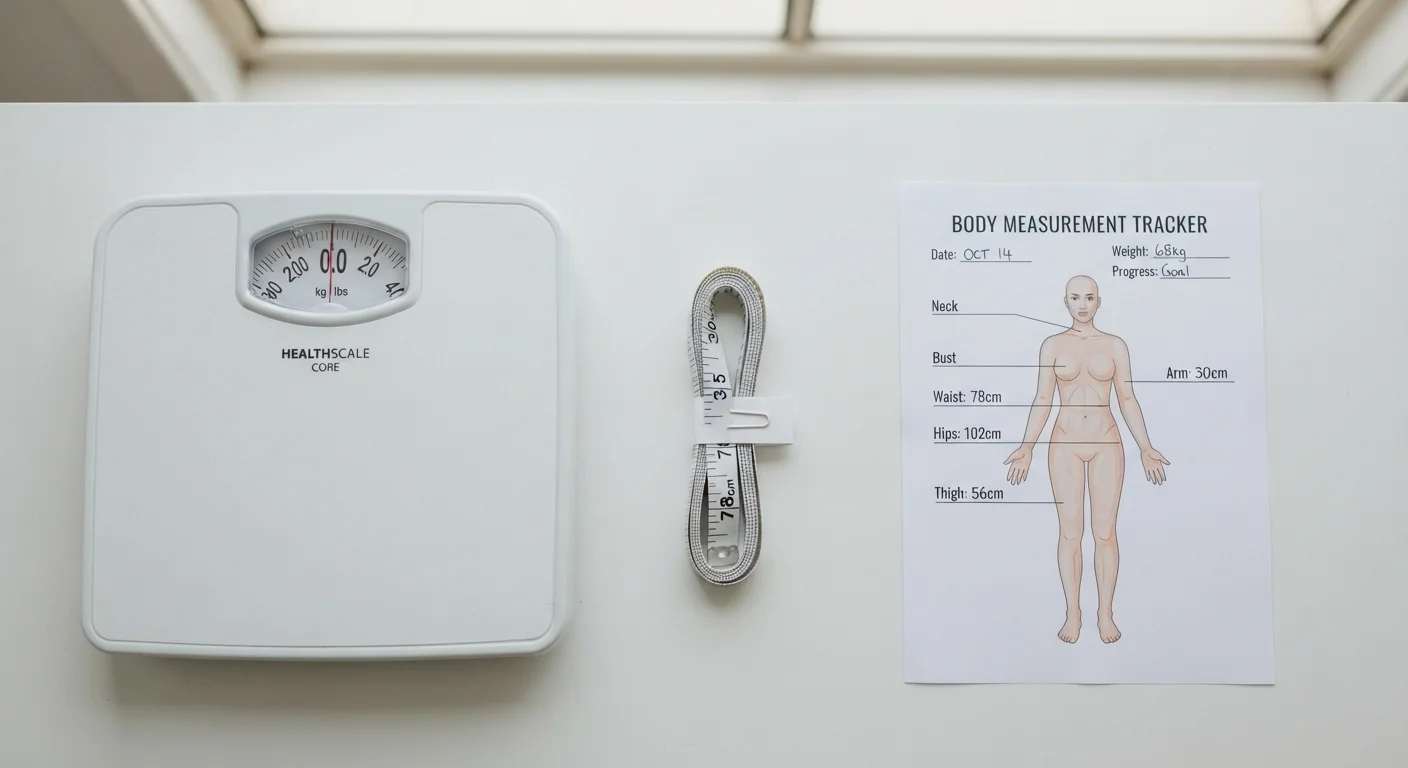
Photo: YetaWellness.com | Explore Trending Blogs editorial
Key Takeaways
- BMI is a quick population-level screening tool, not a precise individual health measure.
- Body fat percentage directly measures fat mass but requires specialized testing methods.
- Waist-to-hip ratio is a practical proxy for metabolic and cardiovascular risk linked to fat distribution.
- No single metric captures the full picture of body composition or health.
- Using two or more metrics together provides a more complete and actionable assessment.
What Each Metric Actually Measures
Body Mass Index (BMI) is calculated by dividing a person's weight in kilograms by the square of their height in meters. It produces a single number used to categorize individuals as underweight, normal weight, overweight, or obese according to standard thresholds. Critically, BMI does not measure fat directly-it measures total body mass relative to stature, with no ability to distinguish muscle from fat, or bone density from either.
Body fat percentage expresses the proportion of total body weight that is made up of fat tissue. This is the most direct of the three metrics, though measuring it accurately requires dedicated methods such as DXA scanning, hydrostatic weighing, or bioelectrical impedance analysis. For a plain-language breakdown of those approaches, see our guide to body composition testing methods.
Waist-to-hip ratio (WHR) divides waist circumference by hip circumference. It doesn't measure fat volume or percentage-it measures fat distribution, specifically whether fat tends to accumulate around the abdomen (associated with greater metabolic risk) versus the hips and thighs. It requires only a flexible measuring tape.
Strengths and Limitations Side by Side
Understanding where each metric excels-and where it falls short-is essential for interpreting what any single number actually tells you.
| BMI | Body Fat Percentage | Waist-to-Hip Ratio | |
|---|---|---|---|
| What it measures | Weight relative to height | Proportion of body that is fat | Fat distribution pattern |
| Equipment needed | Scale and height measure | DXA, BIA, calipers, or other method | Flexible measuring tape |
| Measures fat directly | No | Yes | No |
| Captures fat location | No | No | Yes |
| Accounts for muscle mass | No | Yes | No |
| Best use case | Population screening | Tracking body composition change | Cardiometabolic risk assessment |
| Cost and accessibility | Very low | Low to high (varies by method) | Very low |
BMI's primary strength is convenience. It requires no equipment beyond a scale and a height measurement, making it practical for large-scale epidemiological research and routine clinical triage. Its well-documented limitation is that it cannot account for body composition differences: a highly muscular individual may register as "obese" by BMI while carrying very little fat, while an older adult with low muscle mass may appear "normal" while carrying a metabolically significant amount of adipose tissue. Research published in journals such as the International Journal of Obesity has highlighted this "normal-weight obesity" phenomenon.
Body fat percentage corrects for these blind spots by measuring fat directly, but accuracy depends heavily on the measurement method and conditions. It also doesn't indicate where fat is stored-two people with identical body fat percentages can have very different risk profiles depending on fat distribution. For more on how these numbers appear in formal assessments, see how to read a body composition report.
WHR addresses the distribution question directly and is recognized by the World Health Organization as a meaningful predictor of cardiometabolic risk. Its limitation is precision: it offers no information about total fat mass or lean tissue.
When Each Metric Is Most Useful
BMI is most appropriate as an initial population-level screen-useful in public health research and as a rough starting point in clinical settings. It should not be used as a standalone diagnostic tool for any individual.
Body fat percentage is particularly valuable when tracking changes in body composition over time-for instance, monitoring whether a fitness program is preserving or building lean mass. It's also the standard reference in exercise science and sports medicine. It's worth noting that healthy body fat ranges differ meaningfully by sex and age; the differences in body composition metrics between women and men are rooted in hormonal biology, not arbitrary standards.
WHR is especially useful when evaluating cardiovascular and metabolic disease risk. The WHO defines elevated risk thresholds as WHR above 0.90 for men and 0.85 for women, though these are population-level reference points-not personal diagnoses. It's a practical tool when imaging or body composition testing isn't available.
For a broader understanding of how metabolism and body composition interact, the Metabolism Basics hub provides useful foundational context.
This article is for general informational purposes only and does not constitute medical advice. Always consult a qualified healthcare professional before making decisions about your health, testing, or treatment.
The content on this site is for informational purposes only and is not a substitute for professional advice. Always consult a qualified professional for guidance specific to your situation.