
Hormonal Shifts Across Adulthood: A Plain-Language Overview

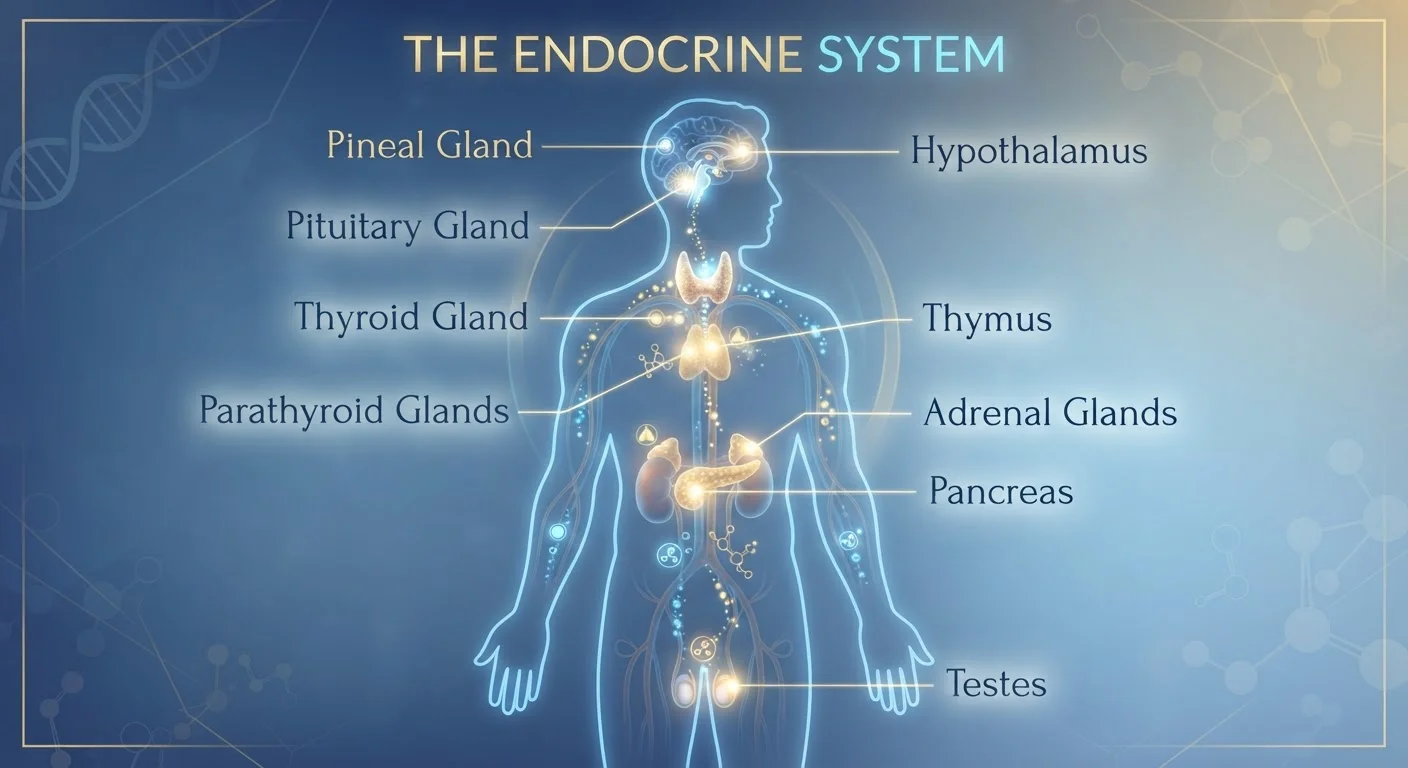
Photo: YetaWellness.com | Explore Trending Blogs editorial
How Hormones Change With Age: The Big Picture
Hormones are chemical messengers produced by glands in the endocrine system, and they regulate nearly every biological process — metabolism, mood, sleep, reproduction, and more. While most people associate hormonal shifts with puberty, the reality is that the endocrine system continues evolving well into older adulthood. Understanding these changes in plain terms can help you recognize normal aging from patterns that may warrant a conversation with your doctor.
| Peak testosterone age (men) | Late teens to early 20s (National Institutes of Health, general endocrinology consensus) |
| Average age of menopause (U.S.) | 51 years (North American Menopause Society) |
| Annual testosterone decline rate (men after 30) | Approximately 1% per year (Endocrine Society clinical guidelines) |
| Hormones produced by endocrine system | More than 50 identified hormones (Johns Hopkins Medicine) |
| DHEA peak production period | Ages 25–30 (National Institute on Aging) |
| Growth hormone decline onset | Begins in the 30s (Endocrine Society) |
As explained in our overview of what happens to your body every decade after 30, hormonal changes are among the most consequential — and least visible — drivers of age-related physical change.
Sex Hormone Trajectories: Estrogen, Progesterone, and Testosterone
Sex hormones peak in early adulthood and follow broadly predictable decline curves — though the experience differs considerably by biological sex.
In Women
Estrogen and progesterone, produced primarily by the ovaries, begin declining gradually in the late 30s to early 40s during perimenopause — a transition phase that can last several years. Irregular cycles, sleep disruption, vasomotor symptoms such as hot flashes, and mood variability are all associated with this hormonal shift. Menopause itself marks the complete cessation of ovarian estrogen production. Post-menopause, the adrenal glands and fat tissue continue producing small amounts of estrogen, but levels remain significantly lower than in reproductive years.
In Men
Testosterone declines slowly and continuously — a pattern sometimes called andropause, though it lacks the distinct biological threshold of menopause. The practical effects include gradual changes in muscle mass, bone density, libido, and energy levels. These shifts are part of a broader pattern of body composition change covered in detail in our article on how muscle and fat shift across the lifespan.
This Is General Health Information
Stress Hormones, Metabolic Hormones, and Sleep
Cortisol, the primary stress hormone, follows a natural daily rhythm — highest in the morning and lowest at night. With age, this rhythm can become blunted, which affects sleep quality, immune function, and metabolism. Chronically elevated cortisol, often linked to long-term psychological stress, is associated with inflammation and metabolic disruption.
Insulin regulation also shifts with age. Cells become less responsive to insulin over time — a phenomenon called reduced insulin sensitivity — which is why the risk of type 2 diabetes increases with each decade. Maintaining regular physical activity and a balanced diet are among the most evidence-supported strategies for preserving metabolic health, though any changes to diet or exercise should be discussed with a healthcare provider.
Growth hormone and DHEA both decline substantially from their peaks in early adulthood. Growth hormone supports tissue repair and muscle maintenance; its decline contributes to slower recovery and reduced lean mass. These hormonal shifts also interact with sleep architecture — an area explored more fully in our piece on how sleep biology changes from infancy to old age.
Hormones also play a direct role in daily mood fluctuations. Estrogen, testosterone, and cortisol all influence neurotransmitter activity. For a deeper look at that mechanism, see the science behind why your mood changes throughout the day.
Endocrine system
The network of glands and organs that produce, store, and release hormones directly into the bloodstream. It includes the thyroid, adrenal glands, pituitary gland, pancreas, and gonads.
Menopause
The point in time 12 consecutive months after a woman's last menstrual period, marking the end of reproductive cycles. It is driven by a sharp decline in estrogen and progesterone production from the ovaries.
Andropause
An informal term describing the gradual, age-related decline in testosterone production in men, sometimes called late-onset hypogonadism. Unlike menopause, it is a slow process that unfolds over decades rather than a distinct biological event.
Cortisol
A steroid hormone produced by the adrenal glands in response to stress and low blood glucose. It regulates metabolism, immune response, and the sleep-wake cycle, but chronically elevated levels are associated with adverse health effects.
Insulin sensitivity
How effectively the body's cells respond to insulin to absorb glucose from the bloodstream. Insulin sensitivity tends to decrease with age, raising the risk of metabolic conditions such as type 2 diabetes.
DHEA
Dehydroepiandrosterone, a hormone produced by the adrenal glands that serves as a precursor to sex hormones including testosterone and estrogen. DHEA levels peak in early adulthood and decline steadily with age.
This article is for informational purposes only and is not a substitute for professional medical advice, diagnosis, or treatment. Always consult a qualified healthcare provider with questions about your hormone health or any medical condition.
The content on this site is for informational purposes only and is not a substitute for professional advice. Always consult a qualified professional for guidance specific to your situation.