
Fiber: The Nutrient Most Americans Don't Get Enough Of

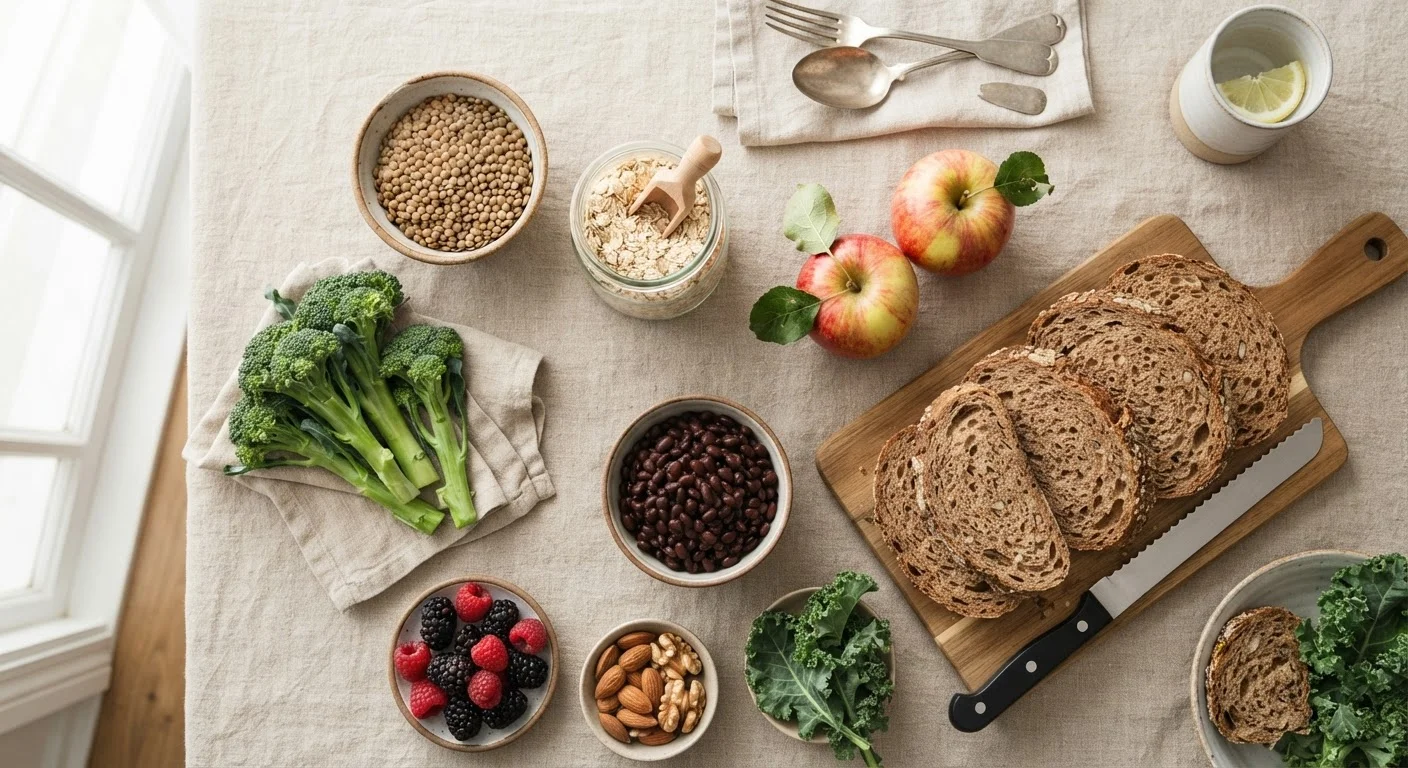
Photo: YetaWellness.com | Explore Trending Blogs editorial
Key Takeaways
- Most American adults consume only about half the recommended daily fiber intake.
- Fiber comes in two forms — soluble and insoluble — and both support different aspects of health.
- Whole plant foods like legumes, vegetables, fruits, and whole grains are the most reliable fiber sources.
- Gradually increasing fiber while drinking more water prevents common digestive discomfort.
- Fiber supports digestion, blood sugar stability, cholesterol levels, and healthy gut bacteria.
What Fiber Actually Is
Dietary fiber is a type of carbohydrate found in plant foods that the human body cannot fully digest. Unlike sugars and starches, fiber passes largely intact through the stomach and small intestine, reaching the colon where it either ferments with gut bacteria or adds bulk to stool. For a fuller picture of how fiber relates to other carbohydrates, see how fiber fits into the carbohydrate story.
There are two main types:
- Soluble fiber dissolves in water to form a gel-like substance. It slows digestion and can help moderate blood sugar and cholesterol levels. Good sources include oats, legumes, apples, and citrus fruits.
- Insoluble fiber does not dissolve in water. It adds bulk to stool and helps food move through the digestive tract more efficiently. Whole wheat, bran, nuts, and many vegetables are rich in insoluble fiber.
Most plant foods contain a mix of both types, so a varied diet naturally delivers both benefits.
Why Fiber Matters for Your Health
Research consistently links adequate fiber intake to several important health outcomes. Fiber is far from a niche nutrient — it is a cornerstone of the eating habits that nutrition research consistently supports.
~15–17 g
Average daily fiber intake for U.S. adults
National dietary surveys consistently show American adults consume roughly half the recommended daily fiber target.
25–38 g
Recommended daily fiber intake for adults
The Dietary Guidelines for Americans set targets of approximately 25 g/day for women and 38 g/day for men.
95%
Americans falling short of fiber recommendations
Research published in nutrition journals estimates that approximately 95% of Americans do not meet daily fiber intake recommendations.
- Digestive regularity: Insoluble fiber adds bulk and moisture to stool, reducing constipation and supporting regular bowel movements.
- Blood sugar management: Soluble fiber slows the absorption of glucose, helping to moderate post-meal blood sugar spikes — a factor relevant to long-term metabolic health.
- Cholesterol support: Soluble fiber can bind to cholesterol-containing bile acids in the gut, helping the body excrete them rather than reabsorb them.
- Gut microbiome health: Fermentable fibers act as prebiotics, feeding beneficial bacteria that produce short-chain fatty acids linked to immune function and reduced inflammation.
- Satiety: High-fiber foods tend to be more filling, which may support balanced eating patterns over time.
This article is for general informational purposes and is not a substitute for personalized medical advice. Consult a qualified healthcare professional for guidance on your specific health needs.
How Much Fiber Do You Need?
The Dietary Guidelines for Americans set general daily fiber targets based on calorie intake. As a reference point, nutrition authorities commonly cite approximately 14 grams of fiber per 1,000 calories consumed. This translates to roughly 25 grams per day for adult women and around 38 grams per day for adult men, though individual needs vary by age, sex, and health status.
National dietary surveys indicate that the average American adult consumes only about 15–17 grams of fiber daily — well below these targets. This gap is sometimes called the fiber gap and is one of the most widespread nutritional shortfalls in the U.S., alongside other nutrients covered in overlooked micronutrient gaps.
Fiber needs also shift across life stages. Older adults, pregnant individuals, and those with certain digestive conditions should consult a healthcare provider for personalized guidance rather than relying solely on general population targets.
Best Food Sources of Fiber
Whole, minimally processed plant foods are the most dependable fiber sources. No single food is required — variety is both practical and beneficial for gut diversity. The following everyday foods provide meaningful amounts:
| Food | Serving Size | Approximate Fiber |
|---|---|---|
| Cooked lentils | ½ cup | ~8 g |
| Black beans (cooked) | ½ cup | ~7.5 g |
| Avocado | ½ medium | ~5 g |
| Cooked oatmeal | 1 cup | ~4 g |
| Raspberries | ½ cup | ~4 g |
| Broccoli (cooked) | ½ cup | ~2.6 g |
| Whole wheat bread | 1 slice | ~2 g |
| Medium apple (with skin) | 1 medium | ~4.5 g |
For a broader look at nutrient-dense food choices, this macronutrient density reference is a useful companion resource.
Practical Strategies to Eat More Fiber
When boosting fiber, start with legumes at dinner — they're filling, versatile, and deliver the highest fiber per serving of any common food group. A simple bean-and-vegetable soup can add 10 or more grams in one meal.
Keep the skins on fruits and vegetables whenever safe and palatable — potato skin, apple skin, and pear skin each contain a meaningful portion of the food's total fiber.
Closing the fiber gap does not require dramatic diet changes. Small, consistent swaps compound over time:
- Swap refined grains for whole grains. Choose whole wheat bread, brown rice, or whole grain pasta over their refined counterparts. The fiber content is meaningfully higher.
- Add legumes to existing meals. Stir canned beans into soups, grain bowls, or salads. A half-cup of beans can add 7–8 grams of fiber with minimal effort.
- Eat fruit whole rather than juiced. Juicing removes most of the fiber. A whole apple delivers roughly 4–5 grams; apple juice delivers almost none.
- Include vegetables at most meals. Roasted vegetables, raw salads, or frozen options all count. Aim for variety to support gut microbiome diversity.
- Choose high-fiber snacks. Nuts, seeds, popcorn (air-popped), and fresh fruit are convenient options that contribute meaningfully to daily totals.
If you are new to thinking about what you eat overall, this introduction to macronutrients provides helpful context before diving deeper into specific nutrients.
Common Mistakes When Increasing Fiber
Ramping up fiber intake too quickly is the most common reason people experience bloating, gas, or digestive discomfort when making dietary changes. The digestive system needs time to adapt, particularly when the gut microbiome shifts to process more fermentable fiber.
A few practical guidelines help avoid this:
- Increase gradually. Add one or two higher-fiber foods per week rather than overhauling your diet all at once.
- Drink more water. Fiber — especially insoluble fiber — works best when fluid intake is adequate. Without enough water, high fiber intake can worsen constipation rather than relieve it.
- Don't rely solely on supplements. Fiber supplements (such as psyllium husk) can help fill gaps but don't deliver the full array of vitamins, minerals, and phytonutrients that whole food sources provide.
- Read labels on processed foods. Some products marketed as "high fiber" use isolated fiber additives that may not offer the same benefits as fiber from whole foods. Checking the ingredient list is more informative than relying on front-of-package claims.
If you have a history of irritable bowel syndrome (IBS), Crohn's disease, or other gastrointestinal conditions, speak with a gastroenterologist or registered dietitian before significantly altering your fiber intake. Certain high-fiber foods may require individualized adjustments for these populations.
The content on this site is for informational purposes only and is not a substitute for professional advice. Always consult a qualified professional for guidance specific to your situation.