
Overlooked Gaps: Micronutrients Many Americans Tend to Under-Consume

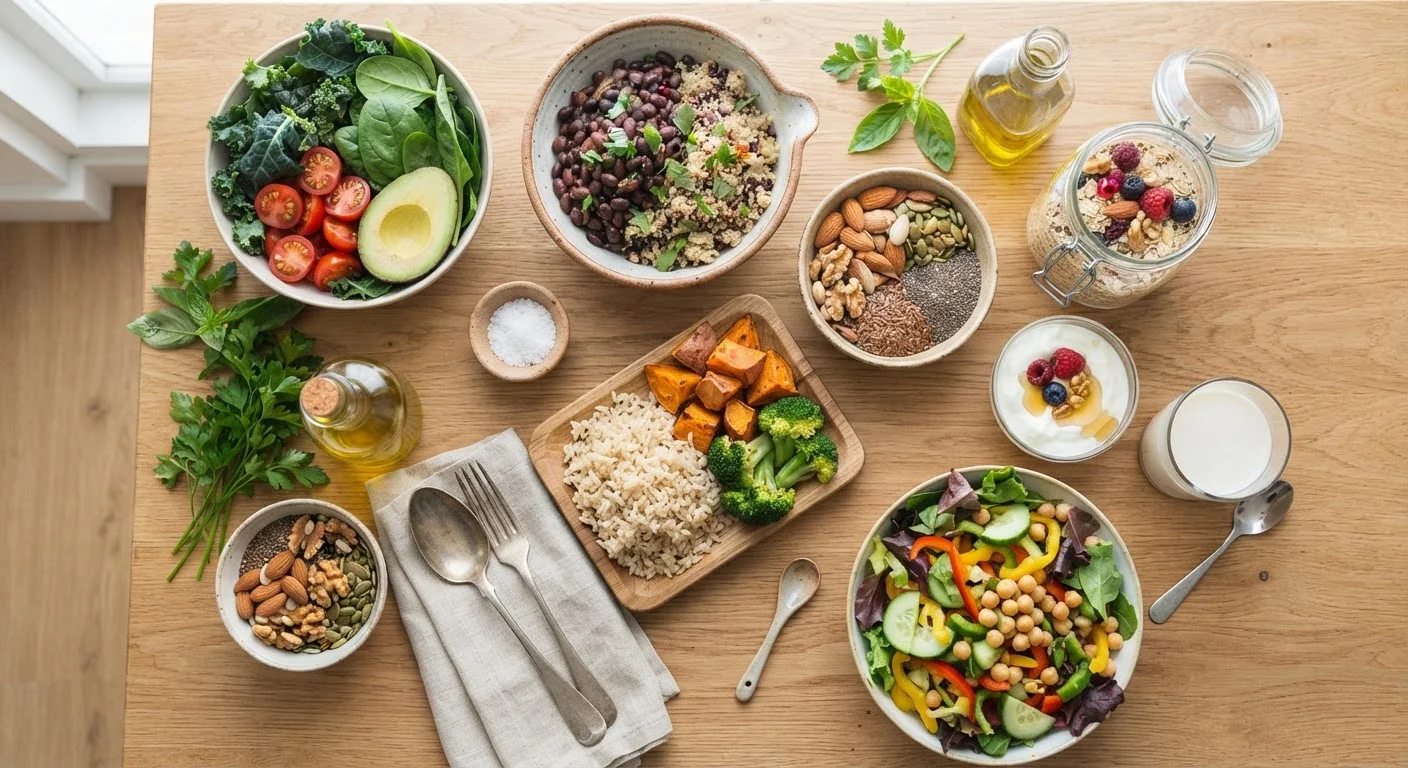
Photo: YetaWellness.com | Explore Trending Blogs editorial
Key Takeaways
- Vitamin D, calcium, potassium, magnesium, and iron are among the most under-consumed micronutrients in American diets.
- Most gaps can be addressed through consistent food choices rather than supplements alone.
- Certain groups — including women of childbearing age and older adults — face higher risk for specific deficiencies.
- Whole, minimally processed foods naturally provide multiple micronutrients in a single serving.
- Always consult a healthcare provider before starting any supplement regimen.
Why Micronutrient Gaps Are So Common
Americans spend billions each year on vitamins and supplements, yet national dietary surveys consistently show that many people still fall short on several key nutrients. The issue is rarely a lack of awareness — it's more often a matter of daily food patterns that prioritize convenience over variety. If you're new to thinking about vitamins and minerals, our plain-language micronutrient guide covers the essentials.
Micronutrients are vitamins and minerals the body needs in relatively small amounts to support metabolism, immunity, bone health, and hundreds of other functions. Unlike macronutrients such as carbohydrates, proteins, and fats, they provide no direct energy — but their absence is felt. The nutrients listed below are flagged repeatedly in federal dietary assessments as shortfall nutrients for U.S. adults.
A Note on Supplements vs. Food
The Most Commonly Under-Consumed Micronutrients
Vitamin D
Vitamin D supports calcium absorption, bone density, immune function, and muscle health. Despite its importance, the majority of Americans don't get enough — a pattern driven largely by limited sun exposure (especially in northern states during winter) and a food supply that doesn't naturally contain high amounts of it.
Food sources: Fatty fish such as salmon, tuna, and sardines are among the best natural sources. Egg yolks and beef liver contribute smaller amounts. Most Americans get vitamin D primarily through fortified foods — including cow's milk, many plant-based milks, and some orange juices and breakfast cereals.
People with darker skin tones, those who spend most of their time indoors, and older adults are at elevated risk for low vitamin D levels and may benefit from discussing supplementation with a healthcare provider.
Most Americans rely on fortified foods for vitamin D since few natural sources provide significant amounts.
Calcium
Calcium is essential for bone structure, muscle contraction, nerve signaling, and blood clotting. It is the most abundant mineral in the human body, yet surveys indicate many Americans — particularly women, adolescents, and older adults — consume less than recommended amounts.
Food sources: Dairy products (milk, yogurt, cheese) are the most concentrated sources in the American diet. Non-dairy options include calcium-set tofu, canned fish with soft bones (like sardines or salmon), white beans, and fortified plant-based milks. Leafy greens such as bok choy, kale, and broccoli provide calcium, though some greens like spinach contain compounds called oxalates that reduce absorption.
Calcium and vitamin D work in tandem — adequate vitamin D is needed for the body to absorb calcium effectively, making both nutrients worth addressing together.
Calcium and vitamin D are interdependent — low levels of one can undermine the other's effectiveness.
Potassium
Potassium is an electrolyte that helps regulate blood pressure, supports fluid balance, and is needed for normal heart and muscle function. Federal dietary guidelines consistently identify potassium as a nutrient of public health concern due to widespread under-consumption.
Food sources: Potassium is broadly present in whole plant foods. Bananas are well-known sources, but they're far from the only option — sweet potatoes, white potatoes (with skin), white beans, lentils, avocados, winter squash, spinach, and tomato products are all rich sources. Many Americans under-consume potassium largely because they eat relatively little produce and legumes overall.
High-sodium, low-potassium diets are associated with greater cardiovascular risk. Shifting the balance by eating more potassium-rich whole foods — rather than focusing solely on reducing sodium — is a practical strategy supported by dietary research.
Potassium is found in many whole plant foods, yet most Americans fall short simply by eating too little produce.
Magnesium
Magnesium participates in more than 300 enzymatic reactions, including energy production, protein synthesis, blood sugar regulation, and nerve function. It also plays a role in bone health. Despite its central importance, about half of Americans consume less magnesium than recommended, according to national nutrition data.
Food sources: Nuts and seeds — particularly pumpkin seeds, almonds, cashews, and peanuts — are excellent sources. Legumes, whole grains (such as quinoa and brown rice), dark leafy greens, and dark chocolate also contribute meaningful amounts. Refined grain products lose a significant portion of magnesium during processing, which helps explain why diets heavy in white bread and processed foods tend to run low.
Refining grains strips away much of their magnesium, making whole grain swaps a simple, effective upgrade.
Iron
Iron is essential for producing hemoglobin, the protein in red blood cells that carries oxygen throughout the body. Iron deficiency is the most common micronutrient deficiency worldwide, and certain American populations — including women of childbearing age, pregnant women, young children, and frequent blood donors — face the greatest risk.
Food sources: Iron comes in two forms. Heme iron, found in red meat, poultry, and seafood, is absorbed more readily by the body. Non-heme iron is found in plant foods such as lentils, kidney beans, tofu, fortified cereals, and spinach, but is absorbed less efficiently. Pairing non-heme iron sources with foods high in vitamin C — such as bell peppers, citrus, or tomatoes — can significantly enhance absorption.
Pregnant individuals have substantially higher iron needs and should discuss requirements with their obstetric care provider rather than self-supplementing.
Pairing plant-based iron sources with vitamin C-rich foods meaningfully boosts how much iron the body absorbs.
Vitamin A
Vitamin A is a fat-soluble vitamin that supports vision (especially in low light), immune function, and skin and cell health. While outright vitamin A deficiency is rare in the United States, national surveys suggest that many Americans consume less than optimal amounts, particularly from plant-based precursor forms.
Food sources: Preformed vitamin A (retinol) is found in animal products — liver, dairy, and eggs. Plant foods provide beta-carotene and other carotenoids, which the body converts to vitamin A. Orange and yellow vegetables (carrots, sweet potatoes, winter squash) and dark leafy greens (kale, spinach, collard greens) are among the richest plant-based sources. Because vitamin A is fat-soluble, consuming carotenoid-rich foods alongside a small amount of dietary fat improves absorption.
Eating beta-carotene-rich vegetables with a small amount of fat helps your body convert more vitamin A from plant foods.
Interestingly, even diets that appear nutritious can fall short. Patterns like skipping dairy, eating limited produce, or relying heavily on processed foods can create gaps that go unnoticed for months or years. See our related article on eating healthy habits that still leave gaps for a closer look at this dynamic. And if you're ready to build a more complete eating pattern, you don't need to count every milligram to make meaningful improvements.
Putting It Into Practice
Closing micronutrient gaps doesn't require an overhaul of your entire diet. Small, consistent additions — a handful of leafy greens, a serving of beans, a glass of fortified milk — compound meaningfully over time. Fiber is another frequently underconsumed nutrient worth pairing with this effort; our guide on fiber and why most Americans fall short explains how to approach it practically. Once you understand which individual nutrients you may be missing, exploring how nutrients work together can help you make even smarter food choices.
This article is for general informational and educational purposes only and is not a substitute for professional medical advice, diagnosis, or treatment. If you have concerns about your nutritional status or health, consult a qualified healthcare provider.
The content on this site is for informational purposes only and is not a substitute for professional advice. Always consult a qualified professional for guidance specific to your situation.