
Snacking in America: When It Helps and When It Quietly Undermines Nutrition

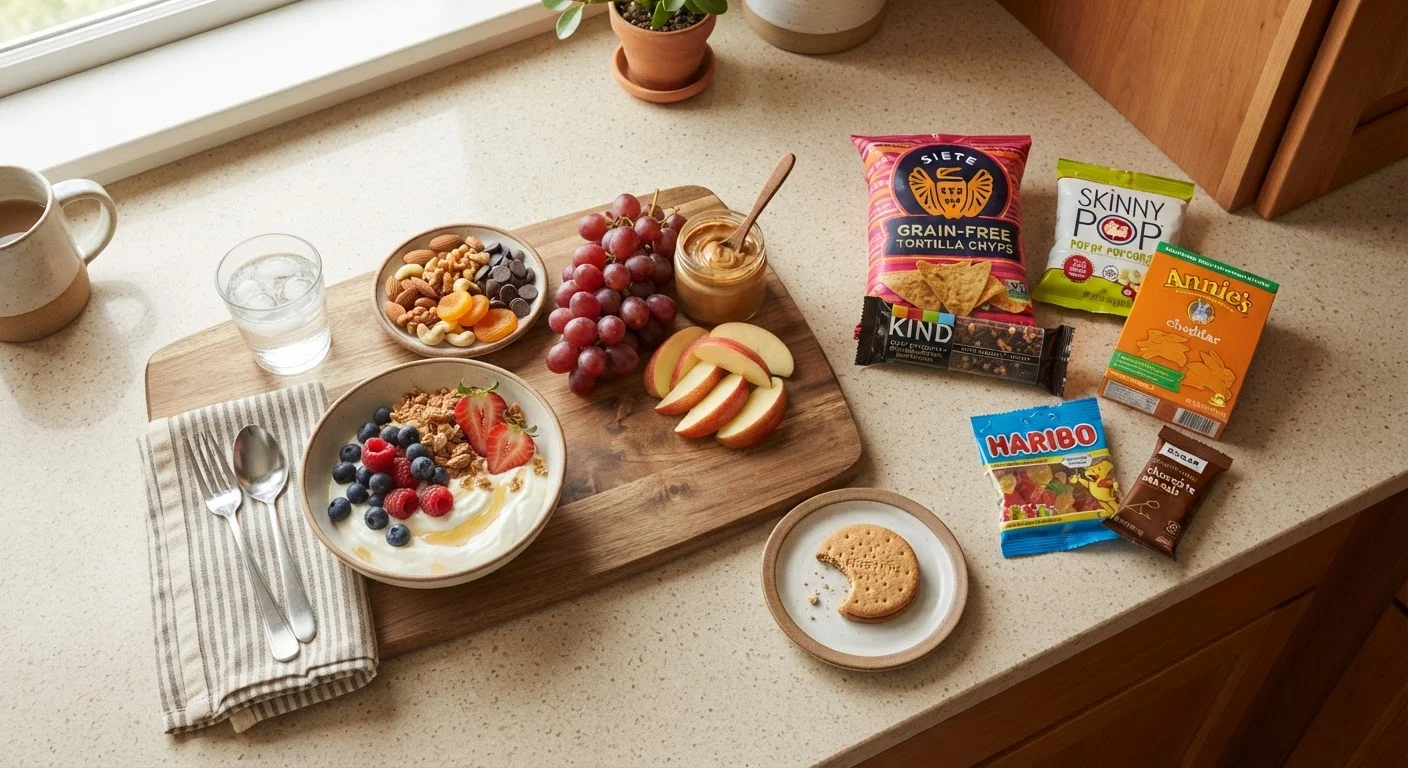
Photo: YetaWellness.com | Explore Trending Blogs editorial
Key Takeaways
- Most American adults eat at least one snack per day, making snacking a significant nutritional variable.
- Snacks can bridge nutrient gaps or drive excess calorie intake depending on what and why you eat.
- Hunger cues, food choice, and timing all determine whether snacking helps or hurts your overall diet.
- Highly processed snack foods frequently deliver added sugars, refined carbs, and sodium with minimal nutritional payoff.
- Mindful snacking — eating with intention and awareness — consistently performs better in research than eating on autopilot.
Bridges long gaps between meals
When several hours separate meals, a small snack can prevent the steep drops in blood glucose that lead to overeating at the next meal. This is particularly relevant for people with demanding schedules who can't always control meal timing.
Helps meet daily nutrient targets
Snack time is a practical opportunity to add fruits, vegetables, dairy, or nuts that might otherwise be missing from main meals, contributing meaningful amounts of fiber, vitamins, and minerals.
Supports sustained energy and concentration
Pairing a source of protein or healthy fat with fiber-rich carbohydrates at snack time can provide steadier energy than relying solely on three widely spaced meals, which may be insufficient for active individuals.
Can reduce overall meal-time overeating
Arriving at a meal in a state of intense hunger is associated with faster eating and larger portion sizes. A modest, planned snack can moderate appetite in a way that supports more measured eating at mealtimes.
Adds significant calories without equivalent satiety
Many popular snack foods — chips, crackers, cookies, sweetened beverages — are energy-dense but low in protein and fiber, meaning they contribute substantial calories without meaningfully curbing hunger.
Often driven by habit or emotion, not hunger
Research consistently shows that a large proportion of between-meal eating is triggered by stress, boredom, or environmental cues like the smell of food rather than genuine physiological hunger, making it easy to consume extra calories unintentionally.
Displaces more nutritious food choices
When highly processed snacks become a regular source of calories, they can crowd out room in the diet for whole foods at main meals, gradually shifting overall diet quality downward.
Highly processed options dominate the category
The vast majority of packaged snack foods fall into the ultra-processed category, meaning they typically contain refined grains, added sugars, excess sodium, and artificial additives with limited nutritional value.
Mindless eating reduces awareness of total intake
Snacking while watching screens, working, or commuting is associated with reduced awareness of how much has been eaten, which can make it harder to accurately gauge daily calorie intake.
How Snacking Became Central to American Eating
Snacking is no longer an occasional habit for most Americans — it is woven into the structure of daily eating. Research from the National Health and Nutrition Examination Survey (NHANES) has consistently found that most American adults consume at least one snack on any given day, with many reporting two or three. The calories from snacks now account for a meaningful share of total daily intake across all age groups.
This shift reflects a broader change in food culture. Portable, convenient, heavily marketed foods are available in nearly every setting — gas stations, pharmacies, offices, and school hallways. Understanding the factors that shape these choices is the first step toward making them more deliberate. Why Americans eat the way they do is shaped by habit loops, food environments, and cultural norms that operate mostly below conscious awareness.
The question, then, is not whether to snack — for most people, some form of between-meal eating is realistic and expected — but how to snack in ways that support rather than undermine daily nutrition.
Where Snacking Genuinely Helps
When chosen thoughtfully, snacks can play a functional role in a balanced diet.
Bridges long gaps between meals
When several hours separate meals, a small snack can prevent the steep drops in blood glucose that lead to overeating at the next meal. This is particularly relevant for people with demanding schedules who can't always control meal timing.
Helps meet daily nutrient targets
Snack time is a practical opportunity to add fruits, vegetables, dairy, or nuts that might otherwise be missing from main meals, contributing meaningful amounts of fiber, vitamins, and minerals.
Supports sustained energy and concentration
Pairing a source of protein or healthy fat with fiber-rich carbohydrates at snack time can provide steadier energy than relying solely on three widely spaced meals, which may be insufficient for active individuals.
Can reduce overall meal-time overeating
Arriving at a meal in a state of intense hunger is associated with faster eating and larger portion sizes. A modest, planned snack can moderate appetite in a way that supports more measured eating at mealtimes.
Snacks are also one underused opportunity to close micronutrient gaps. A small handful of pumpkin seeds adds magnesium; a cup of plain yogurt provides calcium and potassium; an orange contributes vitamin C and folate. Americans consistently fall short on several key nutrients — overlooked micronutrient gaps in typical diets include vitamins D and E, calcium, potassium, and dietary fiber. A well-chosen snack can quietly chip away at those shortfalls.
Where Snacking Quietly Works Against You
The same behavior that can support nutrition can just as easily erode it, depending on the context.
Adds significant calories without equivalent satiety
Many popular snack foods — chips, crackers, cookies, sweetened beverages — are energy-dense but low in protein and fiber, meaning they contribute substantial calories without meaningfully curbing hunger.
Often driven by habit or emotion, not hunger
Research consistently shows that a large proportion of between-meal eating is triggered by stress, boredom, or environmental cues like the smell of food rather than genuine physiological hunger, making it easy to consume extra calories unintentionally.
Displaces more nutritious food choices
When highly processed snacks become a regular source of calories, they can crowd out room in the diet for whole foods at main meals, gradually shifting overall diet quality downward.
Highly processed options dominate the category
The vast majority of packaged snack foods fall into the ultra-processed category, meaning they typically contain refined grains, added sugars, excess sodium, and artificial additives with limited nutritional value.
Mindless eating reduces awareness of total intake
Snacking while watching screens, working, or commuting is associated with reduced awareness of how much has been eaten, which can make it harder to accurately gauge daily calorie intake.
Many common snack foods are also significant sources of added sugar — often in products that don't taste overtly sweet. Granola bars, flavored yogurts, crackers, and bottled smoothies can all carry substantial added sugar loads. Hidden sources of added sugar in everyday foods are worth understanding, because they frequently show up in foods marketed as healthy snack options. These patterns — skipping balanced meals and leaning on processed snacks to compensate — are among the everyday behaviors that can work against weight wellness over time.
Building a Snacking Habit That Actually Supports Your Diet
A Note on 'Healthy' Snack Marketing
A few practical principles separate snacking that supports nutrition from snacking that undermines it:
- Anchor snacks to hunger, not habit or boredom. Before reaching for something, briefly check whether you're physically hungry. Emotional and environmental eating cues are powerful but distinct from true physiological need.
- Pair a protein or fat with fiber. This combination — think apple slices with nut butter, or cottage cheese with vegetables — slows digestion and produces more sustained energy than simple carbohydrates alone.
- Read past the front of the package. Marketing claims like "natural," "wholesome," or "made with real fruit" have no standardized regulatory definition. The nutrition facts panel and ingredient list tell you far more.
- Plan rather than react. Having accessible, ready-to-eat whole foods at home or at work reduces the likelihood of defaulting to whatever's convenient in a moment of hunger.
None of this requires perfection. Eating habits that nutrition research consistently supports tend to emphasize overall patterns over individual food choices — meaning one less-than-ideal snack rarely defines nutritional outcomes. Consistency across many meals and snacks does.
This article is for general informational and educational purposes only and is not a substitute for personalized medical or dietary advice. Consult a qualified healthcare professional or registered dietitian for guidance tailored to your individual health needs.
The content on this site is for informational purposes only and is not a substitute for professional advice. Always consult a qualified professional for guidance specific to your situation.