
Functional Movement Patterns Every Adult Should Understand

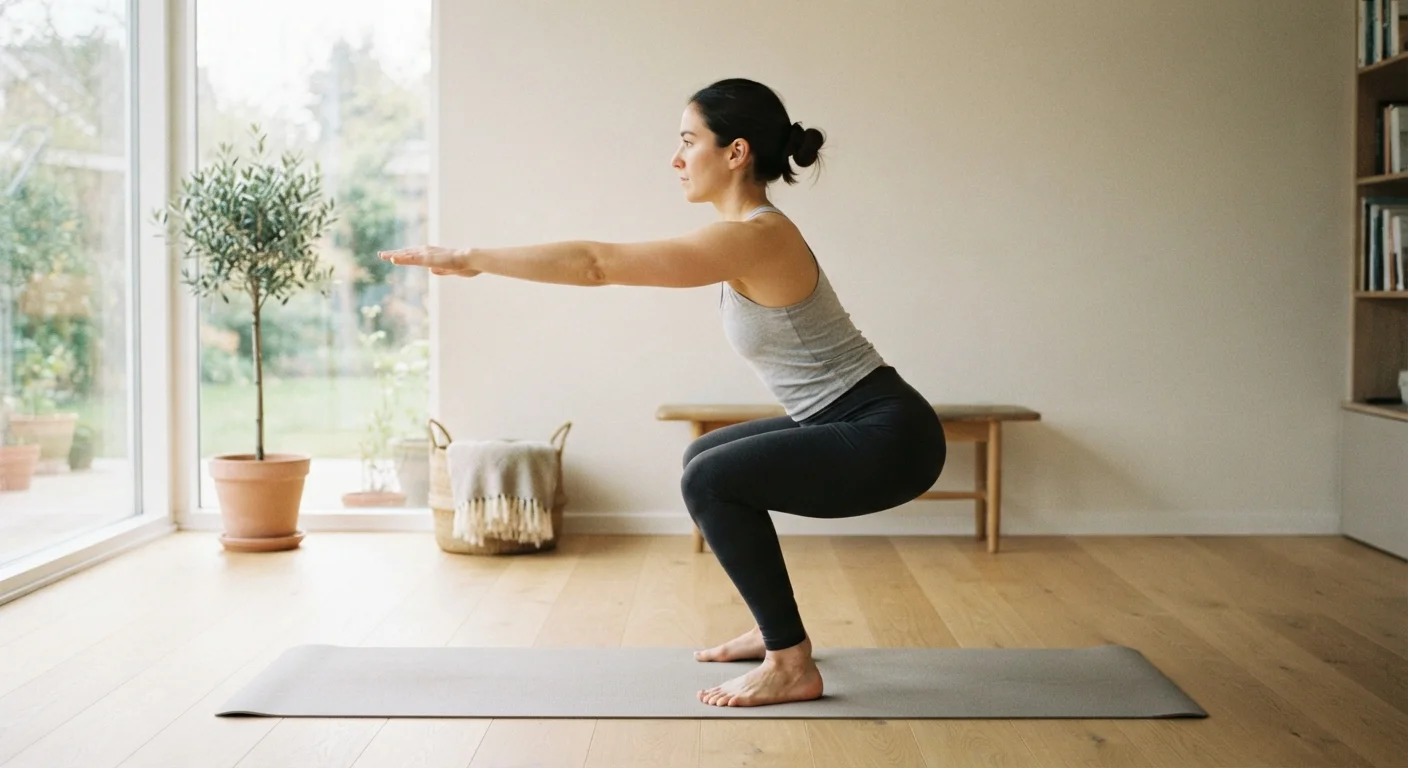
Photo: YetaWellness.com | Explore Trending Blogs editorial
What Functional Movement Patterns Actually Are
Every physical task your body performs - standing from a chair, reaching a high shelf, carrying grocery bags - draws on a small set of fundamental movement patterns. Exercise scientists commonly identify seven of these: squat, hinge, push, pull, carry, rotate, and gait. Understanding them is useful for anyone who wants to stay capable and pain-free, not just those who train in a gym.
These patterns matter because they describe how the body is designed to move. When one pattern is weak, stiff, or avoided, other joints often compensate - sometimes leading to discomfort or injury over time. Keeping all seven patterns accessible and reasonably strong is a practical goal for long-term physical wellbeing.
This article serves as a reference for what each pattern involves, what daily tasks it supports, and why maintaining it matters. For a broader look at how movement capacity shifts across decades of life, see Mobility Across the Decades.
Functional movement
Movement that mimics or directly supports actions performed in daily life, such as bending, reaching, or carrying. Functional movements typically involve multiple joints and muscle groups working together.
Hip hinge
A movement pattern where the hips push backward while the spine stays neutral and long. It is the mechanical basis for picking objects up from the floor safely.
Mobility
The ability to move a joint through its full, intended range of motion with control. Mobility combines flexibility with the strength to use that range actively.
Pushing pattern
Any movement that drives force away from the body, such as pressing overhead or pushing a door open. It primarily engages the chest, shoulders, and triceps.
Pulling pattern
Any movement that brings an object or your own body closer, such as opening a drawer or pulling yourself upright. It primarily engages the back and biceps.
Gait
The pattern of movement used during walking or running. Healthy gait involves coordinated arm swing, hip extension, and single-leg balance in each stride.
The Seven Patterns: A Practical Reference
Use this section as a lookup guide. Each pattern is defined by its mechanics, linked to real-life tasks, and paired with why it deserves attention.
| Number of primary movement patterns | 7 (squat, hinge, push, pull, carry, rotate, gait) (Widely cited in functional fitness and physical therapy literature) |
| Age when mobility begins to decline noticeably | Around 30-35 without consistent training (American College of Sports Medicine guidelines) |
| Adults meeting aerobic + strength activity guidelines | Fewer than 25% (CDC National Center for Health Statistics) |
| Joints most involved in functional movement | Hips, knees, shoulders, and spine |
Squat
The squat involves simultaneously bending the hips, knees, and ankles while keeping the torso upright. In daily life, it appears every time you sit down, rise from a low seat, or lower yourself to the floor. Weakness or stiffness in this pattern is one of the earliest functional losses adults experience.
Hip Hinge
The hinge keeps the spine neutral while the hips drive backward - think of a controlled bow from the waist. It is essential for lifting anything from the floor without rounding and stressing the lower back. The hinge is closely related to the squat but places more demand on the hamstrings and glutes.
Push
Pushing patterns move force away from the body, either horizontally (pushing a door, pressing a box onto a shelf) or vertically (overhead pressing). Maintaining shoulder mobility and chest strength supports these movements well into older age.
Pull
Pulling brings objects or your own body weight toward you - opening drawers, rowing a boat, or pulling yourself upright from the floor. The upper back muscles that power this pattern are also key for posture. See how compound and isolation exercises compare for training context.
Carry
Carrying - moving while holding a load - demands core stability, grip strength, and upright posture simultaneously. Groceries, children, and laundry baskets all rely on it. Single-arm carries are especially valuable for identifying and correcting side-to-side imbalances.
Rotation
Rotational movement occurs every time you turn to look behind you, swing a tennis racket, or reach across your body. It originates primarily from the thoracic spine (mid-back). Stiffness here often forces the lower back or hips to compensate, which can contribute to discomfort in those regions.
Gait
Walking is the most practiced human movement pattern, yet it is often overlooked in fitness planning. Each stride requires single-leg balance, hip extension, and coordinated arm swing. Maintaining gait quality - not just speed - is strongly associated with independence and fall prevention in older adults.
For ideas on weaving these patterns into daily life without formal exercise sessions, Building a Daily Movement Practice Without a Gym Membership offers practical approaches.
Supporting These Patterns Over Time
No single movement style has a monopoly on developing functional patterns. Structured resistance training, yoga, Pilates, and Tai Chi can all reinforce them, each through a different lens. Movement Practices Worth Knowing compares these disciplines for adults focused on long-term mobility.
A few general principles apply across approaches:
- Train patterns, not just muscles. Choosing exercises that mirror real-life tasks maintains the neurological coordination these movements require.
- Address weak links early. If one pattern feels consistently awkward or limited, targeted mobility work - ideally guided by a physical therapist - can restore it before it causes downstream problems.
- Consistency matters more than intensity. Performing each pattern regularly at moderate effort preserves capacity far more effectively than occasional intense sessions.
Movement needs shift as we age. Active Lifestyles Across Every Age outlines what remains universally useful and what changes across life stages. For joint-specific strategies, Daily Movement Habits That Support Joint Health provides complementary guidance.
This article is for general informational and educational purposes only and is not a substitute for professional medical or physical therapy advice. If you experience pain, limited range of motion, or are recovering from an injury, consult a qualified healthcare provider before beginning or modifying any movement practice.
The content on this site is for informational purposes only and is not a substitute for professional advice. Always consult a qualified professional for guidance specific to your situation.