
Insomnia, Hypersomnia, and Parasomnia: Understanding the Three Broad Categories of Sleep Disorders

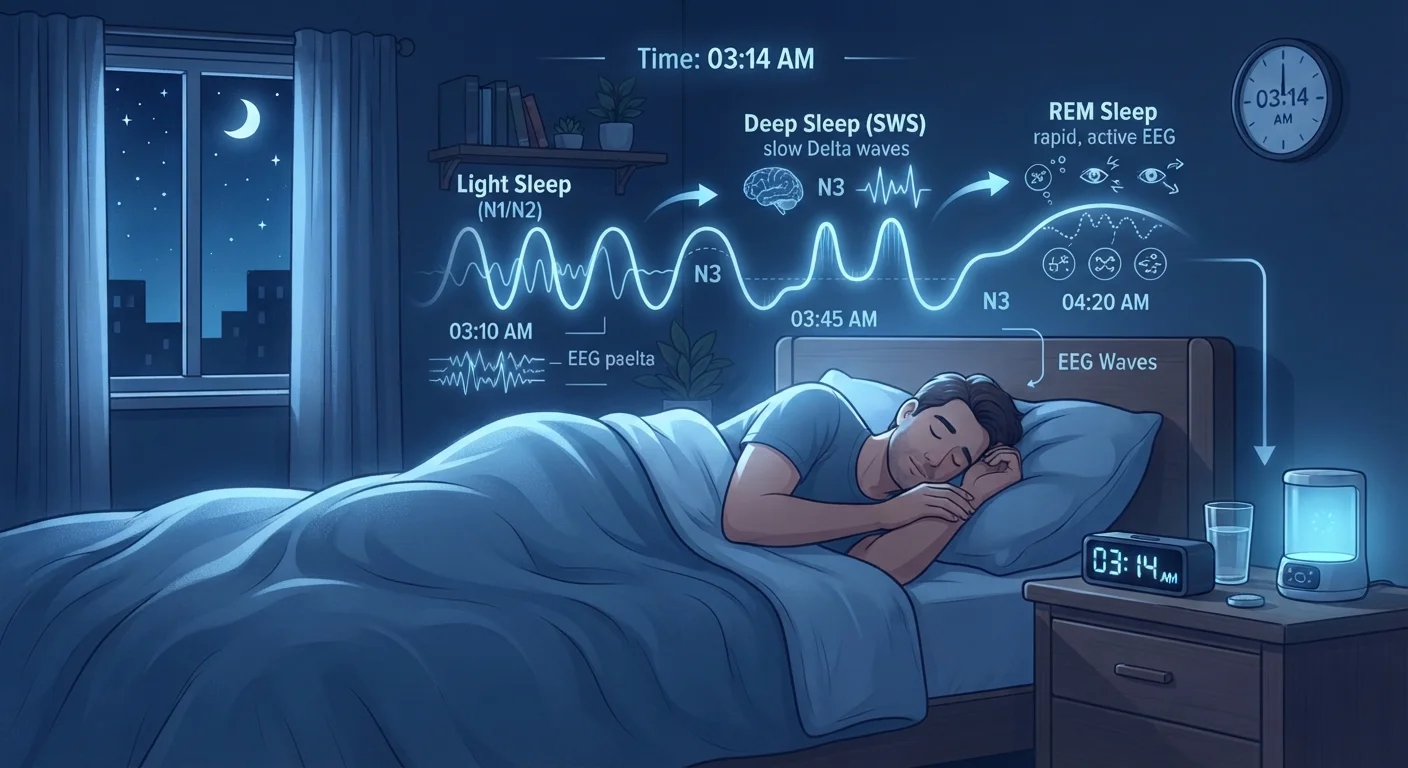
Photo: YetaWellness.com | Explore Trending Blogs editorial
What Is a Sleep Disorder — and Why Does Classification Matter?
Not all troubled sleep is the same. A person who lies awake for hours unable to fall asleep is experiencing something fundamentally different from someone who sleeps 14 hours a day or who walks through their home in the middle of the night, unaware. Recognizing these differences is precisely why sleep medicine organizes disorders into distinct categories.
The ICSD, published by the American Academy of Sleep Medicine, is the primary reference clinicians use to classify sleep conditions. It groups disorders by shared mechanisms and symptoms — not just by how much or how little someone sleeps. For a broader foundation, see Sleep Disorders Explained: What They Are and Why They Matter.
Three of the most widely recognized groupings are insomnia, hypersomnia, and parasomnia. Understanding what separates them helps readers recognize patterns in their own sleep — and know when to seek professional evaluation.
| Primary reference for sleep disorder classification | International Classification of Sleep Disorders (ICSD), 3rd Edition (American Academy of Sleep Medicine) |
| Chronic insomnia prevalence (US adults) | ~10–15% (American Academy of Sleep Medicine) |
| Chronic insomnia diagnostic threshold | ≥3 nights/week for ≥3 months with daytime impairment (ICSD-3 criteria) |
| Most common NREM parasomnia in children | Sleepwalking and sleep terrors (American Academy of Sleep Medicine) |
| Narcolepsy estimated prevalence (US) | Approximately 1 in 2,000 people (National Institute of Neurological Disorders and Stroke) |
| REM sleep behavior disorder (RBD) demographic | More common in men over age 50 (American Academy of Sleep Medicine) |
Insomnia: Difficulty Initiating or Maintaining Sleep
Insomnia is defined not just by poor sleep, but by poor sleep that causes daytime impairment. According to clinical criteria, insomnia involves persistent difficulty falling asleep, staying asleep, or waking too early — despite adequate opportunity and circumstances for sleep. That last clause matters: insomnia is not simply the result of a noisy environment or voluntarily staying up late.
Clinicians typically distinguish between short-term insomnia (lasting fewer than three months, often linked to a stressor) and chronic insomnia disorder (occurring at least three nights per week for three months or more). Prevalence data from the American Academy of Sleep Medicine suggests chronic insomnia affects roughly 10–15% of adults in the United States.
Importantly, sleeping fewer hours by choice is not the same thing. Short Sleep vs. Insomnia: Why the Difference Matters More Than You Think is a distinction worth understanding before drawing conclusions about your own patterns.
This article is for informational purposes only and is not a substitute for professional medical advice, diagnosis, or treatment. Always consult a qualified healthcare provider about any sleep concerns.
Hypersomnia: Excessive Sleepiness Despite Adequate or Prolonged Sleep
Hypersomnia — sometimes called hypersomnolence — refers to conditions characterized by excessive daytime sleepiness that is not explained by insufficient nighttime sleep or another sleep disorder. The hallmark is feeling unrefreshed or persistently drowsy even after sleeping a normal or even extended amount.
The most recognized conditions in this category include narcolepsy (a neurological disorder involving dysregulated REM sleep and, in Type 1, sudden muscle weakness triggered by emotion), idiopathic hypersomnia (prolonged sleep with severe sleep inertia and persistent daytime sleepiness of no identified cause), and Kleine-Levin Syndrome (a rare episodic disorder marked by recurring bouts of excessive sleep lasting days to weeks).
It is worth noting that obstructive sleep apnea — a breathing-related sleep disorder — also commonly causes daytime sleepiness. However, it is classified separately in the ICSD under sleep-related breathing disorders, not within hypersomnia. Good sleep habits cannot resolve underlying neurological hypersomnia, which requires proper clinical evaluation.
Parasomnias: Abnormal Behaviors and Experiences During Sleep
Parasomnias are a diverse group of disorders defined by unwanted physical events, behaviors, or experiences that occur while falling asleep, during sleep, or during arousals from sleep. Unlike insomnia or hypersomnia, many parasomnias are not primarily about the quantity or quality of sleep — they involve what happens during it.
The ICSD groups parasomnias into three main subcategories:
- NREM-related parasomnias — including sleepwalking, sleep terrors, and confusional arousals, which typically arise from slow-wave (deep) sleep, most often in the first third of the night.
- REM-related parasomnias — most notably REM sleep behavior disorder (RBD), in which the normal muscle paralysis of REM sleep fails, causing individuals to physically act out their dreams.
- Other parasomnias — such as sleep enuresis (bedwetting) and exploding head syndrome.
For a deeper look at specific examples, Sleep Talking, Sleepwalking, and Night Terrors: Inside the World of Parasomnias covers triggers, presentations, and when to seek care. Parasomnias also shift significantly with age — a point explored in Sleep Disorders Across the Lifespan.
Getting an Accurate Picture: When to Seek Evaluation
Category awareness is a starting point, not a diagnosis. Many people experience overlapping symptoms — for example, someone with RBD may also report daytime fatigue, and a person with chronic insomnia may have underlying anxiety that warrants separate attention. Clinicians use detailed symptom histories, sleep diaries, validated questionnaires, and in some cases overnight sleep studies (polysomnography) to reach an accurate assessment.
If you recognize a pattern — persistent nighttime difficulty, unexplained daytime sleepiness, or repeated unusual behaviors during sleep — the appropriate step is to document what you observe and discuss it with a healthcare provider. How Sleep Disorders Are Diagnosed: From Self-Reported Symptoms to Sleep Studies explains what that evaluation process typically involves, from initial questionnaires to formal testing.
No category label should be self-applied as a diagnosis. These groupings exist to guide clinical thinking — and to help you have a more informed conversation with the provider who can actually evaluate your individual situation.
The content on this site is for informational purposes only and is not a substitute for professional advice. Always consult a qualified professional for guidance specific to your situation.